
Science
AI Revolutionizes Emergency Care, Reducing A&E Wait Times

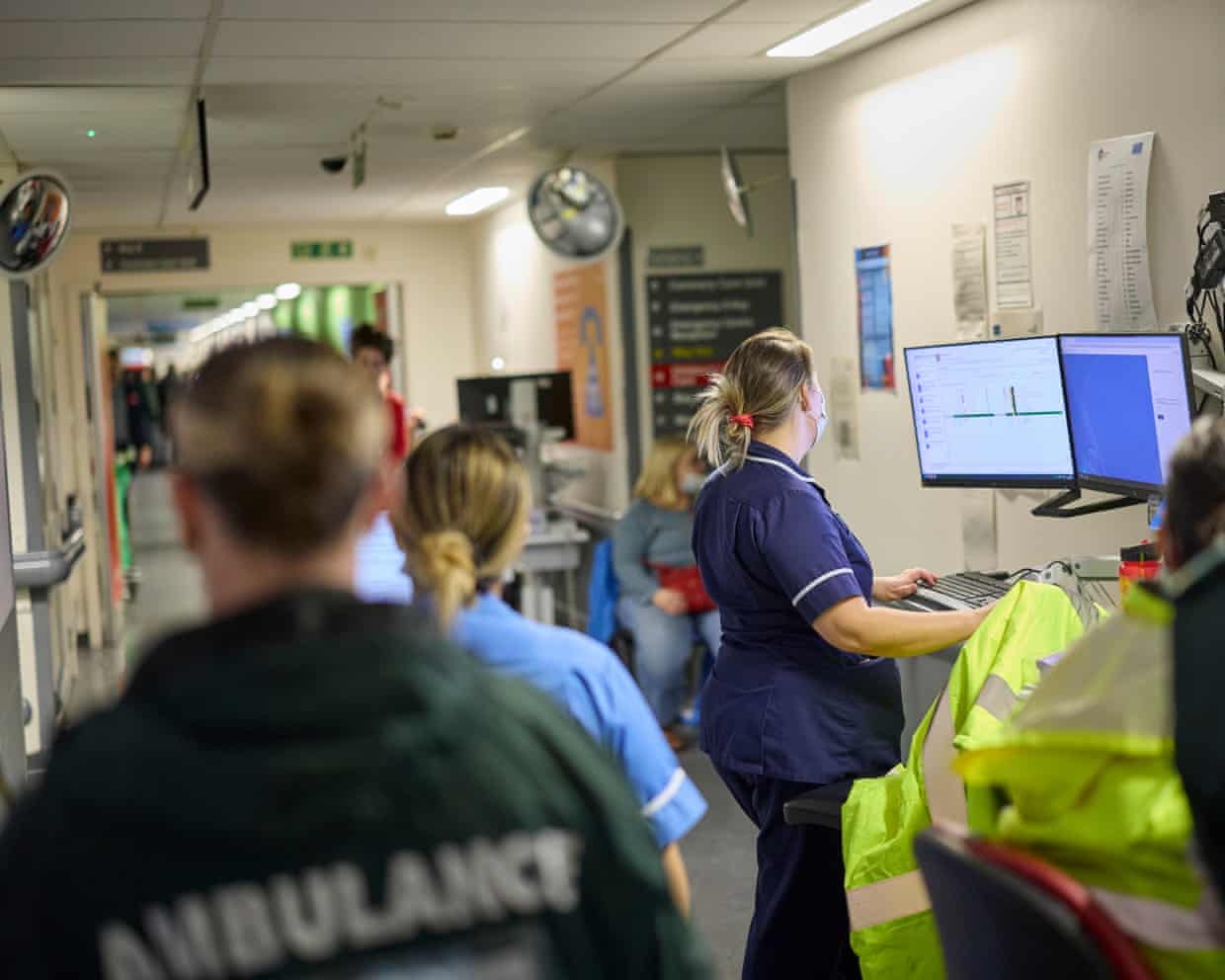
Hospitals across England are implementing artificial intelligence to tackle long waiting times in emergency departments this winter. The innovative A&E forecasting tool predicts peak demand periods, enabling healthcare trusts to optimize staffing and bed availability effectively.
The predictive algorithm relies on historical data, including weather patterns, school holidays, and seasonal illnesses such as influenza and COVID-19. This comprehensive analysis allows hospitals to anticipate the number of patients likely to visit A&E, significantly improving operational efficiency.
Ian Murray, the Minister for Digital Government and Data, emphasized the tool’s role in enhancing healthcare delivery. He stated, “The front door of the NHS is the A&E department. You’ve no idea how many people will come through the door, although you can have some analytical evidence that Saturday nights might be busier than a Tuesday night.”
By leveraging this technology, hospitals can better allocate resources. Murray explained that the forecasting tool assists in predicting the busiest periods for A&E departments. This enables trusts to deploy additional consultants in specific specialties or increase nursing staff in areas projected to experience high patient volumes.
Moreover, effective planning could lead to quicker patient discharges, thereby freeing up beds for new admissions. Murray noted, “You can maybe then see about freeing up beds further down the pipeline.”
The A&E forecasting tool is accessible to all NHS trusts in England, with approximately 50 organizations already utilizing it. According to Murray, these trusts are already reporting positive outcomes. “It’s about modernising the NHS, using the tools to allow clinicians and professionals to do the things that they’re trained to do,” he said.
This initiative is part of Keir Starmer‘s AI Exemplars programme launched in January 2024. The Prime Minister remarked that artificial intelligence is poised to “drive incredible change in our country.”
In addition, Prof Julian Redhead, the National Clinical Director for Urgent and Emergency Care at NHS England, highlighted the importance of proactive planning during peak periods. “Early and efficient planning is key to managing busy periods like winter, and new tech like the AI tool has the potential to make a real difference to the way we manage care for patients,” he stated.
The integration of AI in emergency care is not merely a technological advancement; it represents a significant step towards improving patient experiences and outcomes in the NHS. By employing data-driven strategies, hospitals are better equipped to meet the challenges posed by seasonal fluctuations in demand, ensuring that patients receive timely and effective care when they need it most.

New York Sirens Edge Seattle Torrent 4-3 in Thrilling PWHL Showdown

Baltimore Orioles Re-sign Zach Eflin to Urgent $10M Deal

Alvarado, Williams Suspended After On-Court Fight: Details Inside

HYBE Moves to Terminate NJZ’s Danielle Contract Amid Controversy

Trump Claims Ukraine-Russia Peace Deal is “Closer Than Ever”

Urgent Alert: 3 Charging Mistakes That Could Ruin Your Tablet

Kim Jong Un Declares “Sincere Alliance” with Russia in New Year Message

AI Revolutionizes Emergency Care, Reducing A&E Wait Times

ExoMod’s 2022 Challenger Transforms into Unique 1969 Daytona Tribute

University of Hawaiʻi at Mānoa Joins $25.6M AI Initiative for Disaster Monitoring

New Gel Offers Hope for Regrowing Tooth Enamel in Dentistry

ALMA Discovers Companion Orbiting Red Giant Star π 1 Gruis

Park Jung Min’s Endearing Moment with Hwasa Steals Show at Awards

IROS 2025 to Showcase Cutting-Edge Robotics Innovations in China

Stone Island’s Logo Worn by Extremists Sparks Brand Dilemma

Sampson County Celebrates Susie Faison’s 100th Birthday Milestone

Mary Morgan Jackson Crowned Little Miss National Peanut Festival 2025

Startup Liberate Bio Secures $31 Million for Next-Gen Therapies
-
Science2 months ago
University of Hawaiʻi at Mānoa Joins $25.6M AI Initiative for Disaster Monitoring
-
 Health2 months ago
New Gel Offers Hope for Regrowing Tooth Enamel in Dentistry
-
 Science1 month ago
ALMA Discovers Companion Orbiting Red Giant Star π 1 Gruis
-
 Lifestyle1 month ago
Park Jung Min’s Endearing Moment with Hwasa Steals Show at Awards
-
 Science2 months ago
IROS 2025 to Showcase Cutting-Edge Robotics Innovations in China
-
 Lifestyle2 months ago
Stone Island’s Logo Worn by Extremists Sparks Brand Dilemma
-
 Lifestyle2 months ago
Sampson County Celebrates Susie Faison’s 100th Birthday Milestone
-
 Lifestyle3 months ago
Mary Morgan Jackson Crowned Little Miss National Peanut Festival 2025
-
 Health2 months ago
Startup Liberate Bio Secures $31 Million for Next-Gen Therapies
-

 Health3 months ago
Top Hyaluronic Acid Serums for Radiant Skin in 2025
-

 Science3 months ago
Arizona State University Transforms Programming Education Approach
-

 Politics2 months ago
Judge Considers Dismissal of Chelsea Housing Case Citing AI Flaws