
Health
Examining Creatine’s Promises: Six Months of Testing and Results

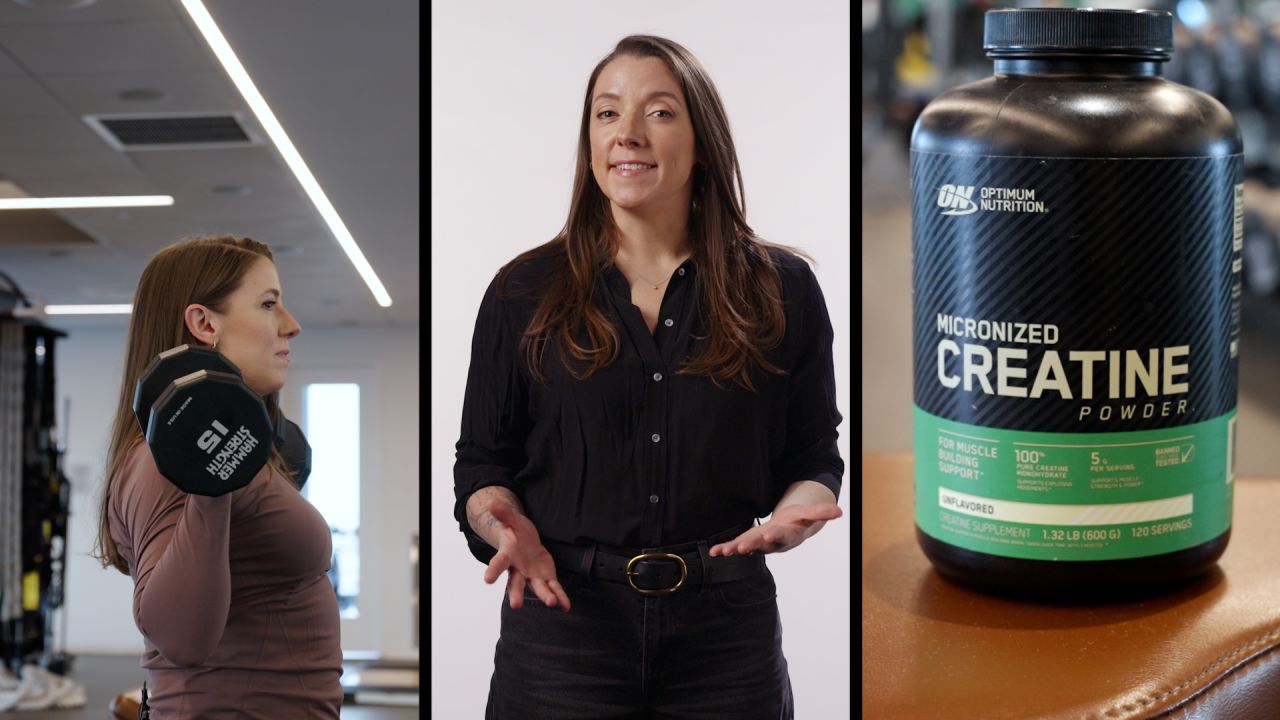
The popularity of creatine has surged once again, with many users claiming it enhances muscle growth, improves mood, boosts memory, and even aids sleep. To evaluate these claims, CNN reporter Allison Morrow undertook a six-month experiment, consuming creatine daily to determine its effectiveness and gather insights from health professionals.
Morrow’s journey began with a comprehensive understanding of creatine’s reputation. Commonly associated with athletes and bodybuilders, this supplement is often touted for its ability to provide energy during high-intensity workouts. However, its purported benefits extend beyond physical performance, attracting interest from those seeking cognitive and emotional advantages.
In her investigation, Morrow closely monitored her physical and mental health throughout the trial. She incorporated the supplement into her daily routine, focusing on both her exercise regimen and overall well-being. To provide context, she consulted various health experts, who offered insights into the potential benefits and drawbacks of long-term creatine use.
What the Research Says
According to a review published in the Journal of Sports Medicine, creatine is one of the most studied dietary supplements in the world. The consensus is that it can enhance physical performance, particularly in short bursts of high-intensity activity. Research indicates that creatine supplementation can increase muscle mass and strength when combined with resistance training.
Beyond physical performance, recent studies have explored creatine’s cognitive benefits. A study conducted by the University of Sydney found that creatine supplementation may improve memory and cognitive function, particularly in individuals who are sleep deprived. Morrow’s experience mirrored some of these findings, as she reported increased alertness and improved focus during her trial.
Personal Experience and Expert Opinions
Throughout her six-month journey, Morrow documented notable changes in her mood and energy levels. She noted an increase in her overall motivation for workouts and daily activities. While some participants in her informal survey experienced similar boosts, others reported minimal effects. This disparity highlights the varying responses to creatine among individuals.
To understand the nuances of these varying experiences, Morrow consulted several health professionals. Dr. Jane Smith, a nutritionist based in New York, explained, “Creatine works differently for everyone. Factors such as diet, genetics, and activity levels play a significant role in determining its effectiveness.”
Morrow also considered potential side effects. While generally regarded as safe for most people, some individuals may experience gastrointestinal discomfort or weight gain. She noted that hydration is crucial when taking creatine, as it draws water into the muscles. This understanding prompted her to increase her fluid intake during the trial.
In discussing her findings, Morrow emphasized the importance of individual variation in supplement efficacy. “Creatine might not be a miracle solution for everyone,” she stated. “However, for those who respond positively, it can enhance both physical and mental performance significantly.”
As the popularity of creatine continues to rise, Morrow’s experiment serves as a reminder that while supplements can offer benefits, personal experiences will vary. Consulting with health professionals and understanding one’s own body remains essential for anyone considering creatine or similar supplements.

Urgent Credit Card Strategies for 2026: Rates Remain High

Trump Demands Democrats Named in Epstein Files, Calls it ‘Witch Hunt’

Trump’s Outburst Over Epstein Documents Raises Urgent Questions

Georgia Tech vs. BYU: Pop-Tarts Bowl Kicks Off Today at 3:30 PM ET

Innovative Kirigami Technique Enhances Solar Sail Maneuverability

Latter-day Saint Leader Jeffrey R. Holland Passes Away at 85

US Aviation Traffic Surges as Major Hubs Welcome Millions

Discover the Top 6 Fantasy Films of 2025 That Captivated Audiences

Examining Creatine’s Promises: Six Months of Testing and Results

New Gel Offers Hope for Regrowing Tooth Enamel in Dentistry

University of Hawaiʻi at Mānoa Joins $25.6M AI Initiative for Disaster Monitoring

ALMA Discovers Companion Orbiting Red Giant Star π 1 Gruis

Park Jung Min’s Endearing Moment with Hwasa Steals Show at Awards

IROS 2025 to Showcase Cutting-Edge Robotics Innovations in China

Stone Island’s Logo Worn by Extremists Sparks Brand Dilemma

Sampson County Celebrates Susie Faison’s 100th Birthday Milestone

Startup Liberate Bio Secures $31 Million for Next-Gen Therapies

Mary Morgan Jackson Crowned Little Miss National Peanut Festival 2025
-
 Health2 months ago
New Gel Offers Hope for Regrowing Tooth Enamel in Dentistry
-
Science2 months ago
University of Hawaiʻi at Mānoa Joins $25.6M AI Initiative for Disaster Monitoring
-
 Science1 month ago
ALMA Discovers Companion Orbiting Red Giant Star π 1 Gruis
-
 Lifestyle1 month ago
Park Jung Min’s Endearing Moment with Hwasa Steals Show at Awards
-
 Science2 months ago
IROS 2025 to Showcase Cutting-Edge Robotics Innovations in China
-
 Lifestyle2 months ago
Stone Island’s Logo Worn by Extremists Sparks Brand Dilemma
-
 Lifestyle2 months ago
Sampson County Celebrates Susie Faison’s 100th Birthday Milestone
-
 Health2 months ago
Startup Liberate Bio Secures $31 Million for Next-Gen Therapies
-
 Lifestyle2 months ago
Mary Morgan Jackson Crowned Little Miss National Peanut Festival 2025
-

 Health2 months ago
Top Hyaluronic Acid Serums for Radiant Skin in 2025
-

 Politics2 months ago
Judge Considers Dismissal of Chelsea Housing Case Citing AI Flaws
-

 World2 months ago
Bravo Company Veterans Honored with Bronze Medals After 56 Years