
Politics
Trust Erodes as Society Grapples with Skepticism Post-COVID

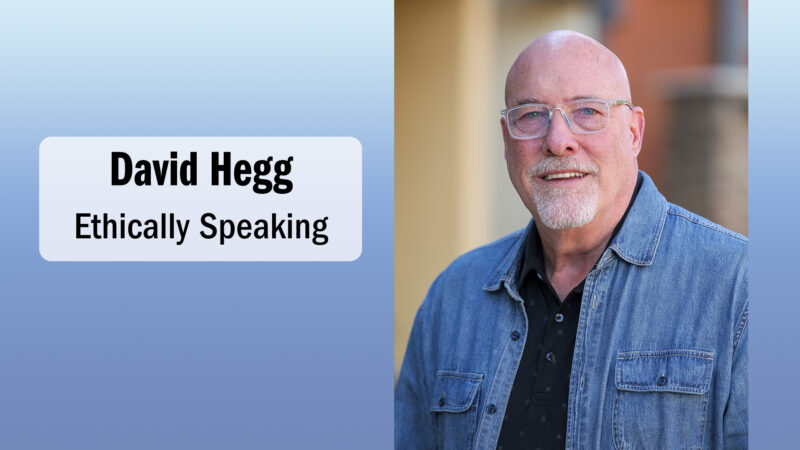
The COVID-19 pandemic has profoundly impacted societal trust, leading many to adopt a skeptical worldview. This shift has prompted individuals to question the reliability of information regarding the virus’s origin, the efficacy of masks, and the safety of vaccines. As society continues to navigate the aftermath of the pandemic, the erosion of trust has intensified, creating a landscape where skepticism thrives.
In a recent opinion piece, David Hegg, senior pastor of Grace Baptist Church, reflects on how this growing skepticism has shaped public discourse. He emphasizes that while skepticism is a natural response, it can hinder critical thinking and understanding. Hegg argues that the desire for certainty in a world inundated with information can lead people to accept narratives that align with their pre-existing beliefs, rather than engaging with opposing views.
The media landscape further complicates this issue. Hegg points to the contrasting narratives presented by different news outlets, such as Fox News and MSNBC. He notes that individuals often gravitate towards sources that reinforce their perspectives, creating a cycle of confirmation bias. This phenomenon not only limits exposure to diverse viewpoints but also undermines the ability to engage in rational discourse.
The consequences of this “my side is always true” mentality are significant. Hegg warns that society is losing its “thinking grid,” where critical analysis is overshadowed by emotional reactions to information. To combat this trend, he offers several suggestions for fostering a more discerning approach to news consumption.
First, he urges readers to recognize and disregard signs of bias, such as personal attacks or demeaning language. Engaging with facts that are verifiable, rather than those rooted in biased interpretations, is crucial. Hegg encourages individuals to assess whether the conclusions drawn from the information presented are reasonable and supported by evidence.
Additionally, he advocates for breaking out of echo chambers by actively seeking out opposing viewpoints. Listening to differing perspectives can provide valuable insights and foster understanding, essential components for constructive dialogue. Hegg stresses the importance of recognizing the difference between fact-based reporting and opinion pieces, reminding readers that opinions can often shape perceptions in misleading ways.
As the New Year approaches, Hegg reflects on the importance of focusing on local issues that unite rather than divide. He emphasizes that while national politics can feel overwhelming, individuals can have a meaningful impact on their communities by engaging in nonpartisan issues. He encourages readers to communicate their values and beliefs to elected representatives, reinforcing the significance of participation in local governance.
In closing, Hegg calls for a shift away from demeaning opposing views towards dialogue that promotes collaboration. He expresses hope for a future where clarity, stability, and progress are attainable, urging readers to approach the upcoming year with a commitment to constructive engagement.
As society continues to grapple with the aftermath of COVID-19, the challenge remains: how to rebuild trust and foster mutual understanding in an increasingly polarized environment. Hegg’s insights serve as a reminder that, despite the skepticism that pervades public discourse, the potential for constructive dialogue exists if individuals are willing to engage with one another thoughtfully.

Trump and Zelenskyy Meet in Florida to Forge Ukraine Peace Plan

Historic UFO Encounters Resurface as Reports Surge in 2025

Brigitte Bardot, Iconic Star and Activist, Dies at 91

Trump and Petro Clash Over Colombia’s Drug Trade Impact

New York City Bids Farewell to MetroCard as OMNY Takes Over

Connecticut Theaters Embrace Innovation and Optimism in 2026

Prioritizing Eye Safety During December’s Holiday Celebrations

Amazon Offers 21% Off on Versatile Amada Sectional Couch

Trust Erodes as Society Grapples with Skepticism Post-COVID

University of Hawaiʻi at Mānoa Joins $25.6M AI Initiative for Disaster Monitoring

New Gel Offers Hope for Regrowing Tooth Enamel in Dentistry

ALMA Discovers Companion Orbiting Red Giant Star π 1 Gruis

Park Jung Min’s Endearing Moment with Hwasa Steals Show at Awards

IROS 2025 to Showcase Cutting-Edge Robotics Innovations in China

Stone Island’s Logo Worn by Extremists Sparks Brand Dilemma

Sampson County Celebrates Susie Faison’s 100th Birthday Milestone

Mary Morgan Jackson Crowned Little Miss National Peanut Festival 2025

Startup Liberate Bio Secures $31 Million for Next-Gen Therapies
-
Science2 months ago
University of Hawaiʻi at Mānoa Joins $25.6M AI Initiative for Disaster Monitoring
-
 Health2 months ago
New Gel Offers Hope for Regrowing Tooth Enamel in Dentistry
-
 Science1 month ago
ALMA Discovers Companion Orbiting Red Giant Star π 1 Gruis
-
 Lifestyle1 month ago
Park Jung Min’s Endearing Moment with Hwasa Steals Show at Awards
-
 Science2 months ago
IROS 2025 to Showcase Cutting-Edge Robotics Innovations in China
-
 Lifestyle2 months ago
Stone Island’s Logo Worn by Extremists Sparks Brand Dilemma
-
 Lifestyle2 months ago
Sampson County Celebrates Susie Faison’s 100th Birthday Milestone
-
 Lifestyle2 months ago
Mary Morgan Jackson Crowned Little Miss National Peanut Festival 2025
-
 Health2 months ago
Startup Liberate Bio Secures $31 Million for Next-Gen Therapies
-

 Health2 months ago
Top Hyaluronic Acid Serums for Radiant Skin in 2025
-
 Science2 months ago
Arizona State University Transforms Programming Education Approach
-
 Politics2 months ago
Judge Considers Dismissal of Chelsea Housing Case Citing AI Flaws