
Science
Male Mosquitoes Found to Feed on Blood, Challenging Assumptions

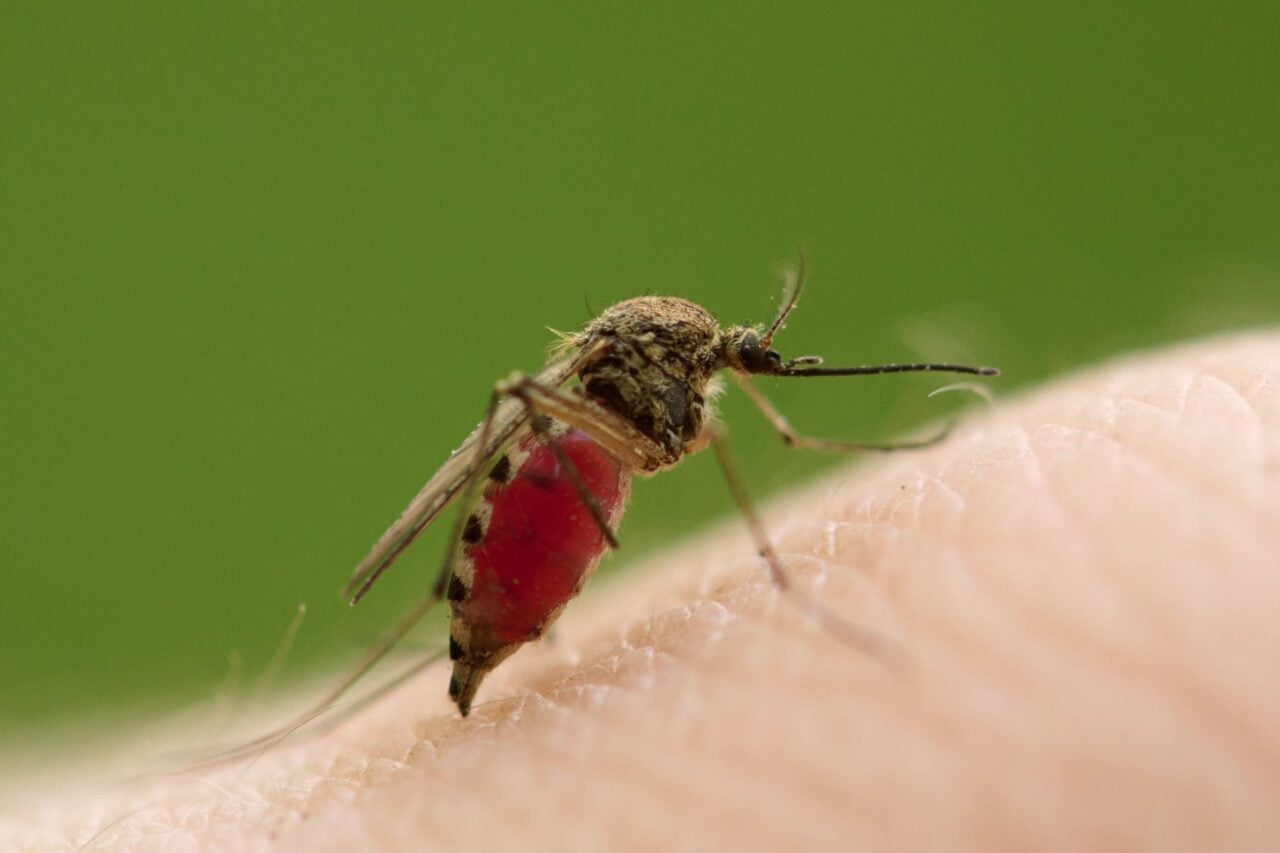
Recent research has revealed that male mosquitoes may pose a greater threat to humans than previously believed, as they have been found to feed on blood. A study led by scientists from Pennsylvania State University and other institutions published in March 2024 on the preprint server bioRxiv provides evidence that, under certain conditions, male mosquitoes can and do consume blood. This discovery challenges long-standing assumptions that only female mosquitoes engage in this behavior.
The research emerged from an unexpected observation made during routine blood-feeding experiments. According to senior study author Jason Rasgon, an entomologist specializing in vector-borne diseases, a graduate student noticed that some males were successfully feeding on blood. This revelation prompted the team to further investigate the phenomenon, which could reshape the understanding of mosquito behavior and their role in disease transmission.
Historically, adult male mosquitoes were thought to obtain sustenance solely from nectar and other sugary sources, while females were known to feed on blood to support their reproductive needs. Rasgon recalled a 2016 study that demonstrated blood-feeding behavior in male Culex quinquefasciatus, but the males in that study died shortly after consuming the blood. Intrigued by his student’s finding, he decided to keep the male mosquitoes alive and monitor their health.
Surprisingly, the male mosquitoes that fed on blood lived as long as those that were fed a sugar diet. The research team found that certain species of male mosquitoes could be encouraged to feed on blood if they were dehydrated first, a behavior also observed in females. To further explore this, the researchers created CRISPR-edited mosquitoes that lacked the ability to sense humidity, which did not feed on blood, suggesting dehydration is a key factor in triggering this behavior.
The team expanded their research by collaborating with other scientists, who provided additional data. Notably, some co-authors had collected male mosquitoes from the wild in locations such as Texas and Mallorca, which tested positive for vertebrate DNA, indicating they had fed on animals, including humans.
One of the more alarming findings was that male mosquitoes could be infected with the West Nile virus. The research indicated that the virus could replicate within these males, potentially enabling them to transmit the infection to other hosts through blood feeding.
In an unusual twist, Rasgon conducted an experiment using himself as bait. After sustaining a scratch from his cat, he exposed the wound to a group of dehydrated male mosquitoes. Remarkably, five of the mosquitoes probed the area, and one managed to feed on his blood. In another test, a male mosquito pierced his skin, provoking a typical immune reaction, even though it failed to locate a blood vessel.
The study identified at least five species of male mosquitoes that are capable of feeding on blood: Cx. tarsalis, Cx. quinquefasciatus, Ae. aegypti, Ae. notoscriptus, and An. stephensi. What began as a small investigation has now involved 17 authors from various countries, reflecting the growing interest in this subject.
Despite the intriguing results, the researchers caution that much remains unknown. The study suggests that male blood-feeding is contingent upon specific conditions, such as dehydration, which may limit its prevalence in natural settings. Nonetheless, Rasgon notes that harsh environmental conditions might lead many males to attempt blood feeding.
A crucial question remains regarding the potential for male mosquitoes to transmit diseases. Several of the species studied are recognized vectors for pathogens that affect humans. Even if males play a minor role in disease transmission, their involvement could be significant enough to warrant further investigation.
The implications of these findings are particularly pertinent as sterile male mosquitoes are increasingly employed to combat diseases like malaria. Rasgon expressed concern that the current understanding of male mosquitoes may underestimate their impact on disease dynamics. “I got into this thinking it was a stupid little whatever. And now I’m not so sure. I actually think this might be more important than we previously gave it credit for,” Rasgon stated.
The research team has submitted their study for peer review, a critical step in validating their findings. They are optimistic that their work will inspire more rigorous research into the feeding habits of male mosquitoes and their implications for public health. “We need to do this in a rigorous manner. We need to get some real funding. Some pretty hardcore field work needs to be done,” Rasgon concluded, emphasizing the need for further exploration of this unexpected aspect of mosquito behavior.

Urgent Credit Card Strategies for 2026: Rates Remain High

Trump Demands Democrats Named in Epstein Files, Calls it ‘Witch Hunt’

Trump’s Outburst Over Epstein Documents Raises Urgent Questions

Georgia Tech vs. BYU: Pop-Tarts Bowl Kicks Off Today at 3:30 PM ET

Innovative Kirigami Technique Enhances Solar Sail Maneuverability

Latter-day Saint Leader Jeffrey R. Holland Passes Away at 85

US Aviation Traffic Surges as Major Hubs Welcome Millions

Discover the Top 6 Fantasy Films of 2025 That Captivated Audiences

Examining Creatine’s Promises: Six Months of Testing and Results

New Gel Offers Hope for Regrowing Tooth Enamel in Dentistry

University of Hawaiʻi at Mānoa Joins $25.6M AI Initiative for Disaster Monitoring

ALMA Discovers Companion Orbiting Red Giant Star π 1 Gruis

Park Jung Min’s Endearing Moment with Hwasa Steals Show at Awards

IROS 2025 to Showcase Cutting-Edge Robotics Innovations in China

Stone Island’s Logo Worn by Extremists Sparks Brand Dilemma

Sampson County Celebrates Susie Faison’s 100th Birthday Milestone

Startup Liberate Bio Secures $31 Million for Next-Gen Therapies

Mary Morgan Jackson Crowned Little Miss National Peanut Festival 2025
-
 Health2 months ago
New Gel Offers Hope for Regrowing Tooth Enamel in Dentistry
-
Science2 months ago
University of Hawaiʻi at Mānoa Joins $25.6M AI Initiative for Disaster Monitoring
-
 Science1 month ago
ALMA Discovers Companion Orbiting Red Giant Star π 1 Gruis
-
 Lifestyle1 month ago
Park Jung Min’s Endearing Moment with Hwasa Steals Show at Awards
-
 Science2 months ago
IROS 2025 to Showcase Cutting-Edge Robotics Innovations in China
-
 Lifestyle2 months ago
Stone Island’s Logo Worn by Extremists Sparks Brand Dilemma
-
 Lifestyle2 months ago
Sampson County Celebrates Susie Faison’s 100th Birthday Milestone
-
 Health2 months ago
Startup Liberate Bio Secures $31 Million for Next-Gen Therapies
-
 Lifestyle2 months ago
Mary Morgan Jackson Crowned Little Miss National Peanut Festival 2025
-

 Health2 months ago
Top Hyaluronic Acid Serums for Radiant Skin in 2025
-

 Politics2 months ago
Judge Considers Dismissal of Chelsea Housing Case Citing AI Flaws
-

 World2 months ago
Bravo Company Veterans Honored with Bronze Medals After 56 Years