
Health
Doctor Links Diet Soda to Increased Dementia and Stroke Risks

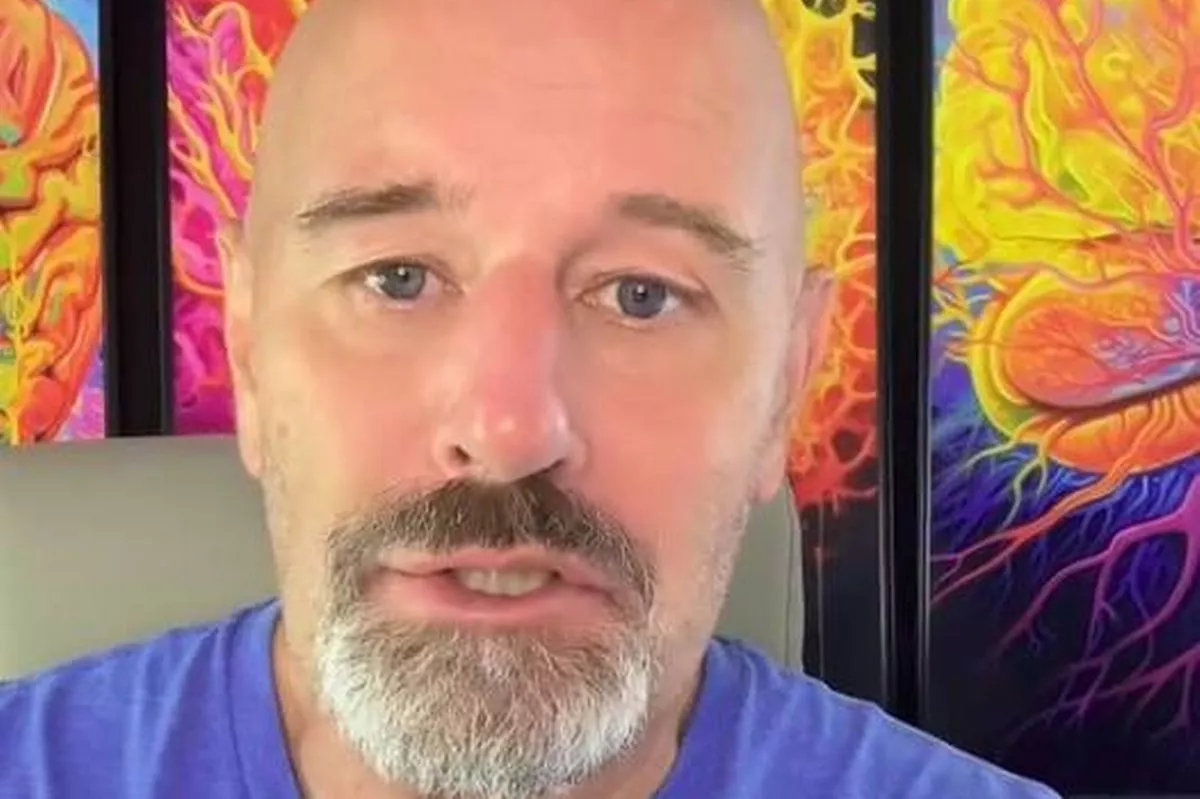
A recent warning from a medical expert suggests that consuming diet soda may significantly increase the risk of developing dementia and strokes. Dr. Clint Steele, a specialist in brain health and nervous system disorders, claims that daily consumption of diet soda raises dementia risk by 290% and stroke risk by an alarming 300%. His statements have gained traction on social media, amassing over two million views.
Dr. Steele, who has dedicated 34 years to studying brain health, bases his findings on extensive research that tracked participants’ dietary habits over a period of seven years. Following this, researchers monitored participants for an additional ten years to identify those who developed symptoms of stroke or dementia. According to Dr. Steele, individuals who consume at least one diet soda daily demonstrate a marked increase in these health risks.
Concerns Over Diet Soda Consumption
In his viral message, Dr. Steele emphasizes the harmful effects of chemicals found in diet sodas. “These are chemicals that are damaging your body and brain,” he stated. He urges consumers to consider healthier alternatives, such as water or tea, to mitigate potential risks. “Even if you drink it multiple times per week, it’s still damaging. Give it up,” he added.
The doctor’s personal experiences significantly inform his professional stance. He shared that his grandmother suffered from dementia, an experience that profoundly impacted him. “It is one of the saddest things I’ve ever seen, her not knowing me or even my mum,” he reflected, detailing how she struggled to recognize familiar faces and objects. Dr. Steele’s commitment to improving brain health stems from a desire to prevent others from undergoing similar heart-wrenching experiences.
The video has sparked a range of reactions online. Some viewers expressed concern about their own consumption habits. One commenter, Billy, revealed he drinks at least ten cans of Diet Coke daily, while others, like Caz, shared their commitment to avoiding artificial sweeteners altogether. “No diet drinks and artificial sweeteners in my house ever,” Caz stated, underscoring a growing awareness of the potential dangers associated with diet sodas.
Debate and Skepticism
Despite the alarming claims made by Dr. Steele, not all online responses endorse his perspective. Some users challenged the findings, citing personal experiences of family members with dementia who had rarely consumed diet soda. “My mother had dementia and barely ever drank pop at all,” one commenter noted. Another stated, “My grandmother lived to be 94. Drank Diet Coke every day and never had any health problems.”
The mixed reactions highlight an ongoing debate regarding the health implications of diet sodas. While Dr. Steele’s assertions draw from substantial research, individual anecdotes reflect a complex interplay of factors contributing to dementia and overall health. As discussions continue, consumers are left to weigh the potential risks associated with their beverage choices.
In light of this information, Dr. Steele’s recommendations may encourage many to reassess their dietary habits, particularly regarding the consumption of diet sodas. As awareness grows, it becomes increasingly important for individuals to make informed choices about what they drink and how it may affect their long-term health.

Robinhood Stock Surges 2.5% Today Amid Tech Market Recovery

Philadelphia’s Earth Month Kicks Off with Free Events in Parks

GSK’s Inhaler Decision Sparks Health Concerns for Children

Bradford’s Fish Fry Fridays Offer Community Spirit and Flavor

Speculation Rises on Shutdowns During Trump’s Potential Presidency

Samsung Galaxy Watch 9 to Feature Larger Battery, Report Reveals

Inventors Find New Purpose Through Unconventional Paths

UConn Huskies Aim for Back-to-Back Titles in 2026 NCAA Tournament

U.S. Mine Countermeasure Ships Dock in Malaysia for Logistics Stop

University of Hawaiʻi at Mānoa Joins $25.6M AI Initiative for Disaster Monitoring

$2.2 Million Boost for Cancer Research and Training in Hawaiʻi

ALMA Discovers Companion Orbiting Red Giant Star π 1 Gruis

Sacituzumab Govitecan Shows Promise for HR+/HER2− Breast Cancer

币安人生 Sees $15.92 Million in Trading Volume Amid Market Fluctuations

New Gel Offers Hope for Regrowing Tooth Enamel in Dentistry

CAVA Group Shares Surge 5.1% Amid Mixed Analyst Ratings

Christian Bale in Talks to Join Leonardo DiCaprio in Heat 2

Supreme Court to Review Birthright Citizenship for Children of Immigrants
-
Science9 months ago
University of Hawaiʻi at Mānoa Joins $25.6M AI Initiative for Disaster Monitoring
-
 Health8 months ago
$2.2 Million Boost for Cancer Research and Training in Hawaiʻi
-
 Science9 months ago
ALMA Discovers Companion Orbiting Red Giant Star π 1 Gruis
-
 Health7 months ago
Sacituzumab Govitecan Shows Promise for HR+/HER2− Breast Cancer
-
Politics5 months ago
币安人生 Sees $15.92 Million in Trading Volume Amid Market Fluctuations
-
 Health9 months ago
New Gel Offers Hope for Regrowing Tooth Enamel in Dentistry
-
 Business8 months ago
CAVA Group Shares Surge 5.1% Amid Mixed Analyst Ratings
-
 Entertainment9 months ago
Christian Bale in Talks to Join Leonardo DiCaprio in Heat 2
-
 Politics8 months ago
Supreme Court to Review Birthright Citizenship for Children of Immigrants
-

 Lifestyle9 months ago
Art Deco and Traditional Designs Set to Transform Homes in 2026
-

 Lifestyle8 months ago
Fernando Mendoza Secures Maxwell and O’Brien Awards Ahead of Heisman
-

 World8 months ago
Swiss Residents Reject 50% Inheritance Tax on Wealthy