
Entertainment
Carrie Fisher’s Autopsy Reveals Drug Use at Time of Death

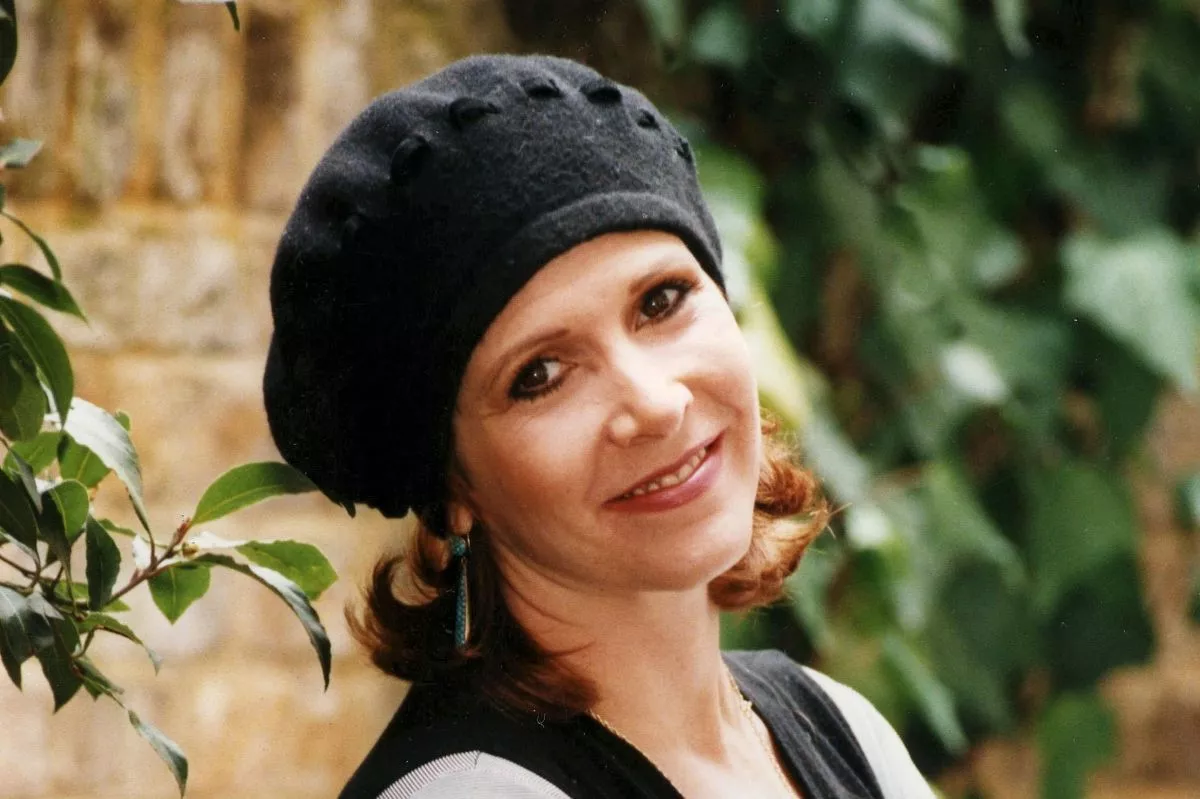
Carrie Fisher, the beloved actress renowned for her iconic role as Princess Leia in the *Star Wars* franchise, passed away on December 27, 2016, at the age of 60. Following her death, an autopsy report provided detailed insights into the circumstances surrounding her passing. The report, released in June 2017, confirmed that Fisher died from sleep apnea, with contributing factors including atherosclerotic heart disease and drug use.
Fisher suffered a cardiac arrest on a flight from London to Los Angeles just days before her death. Tragically, she died one day before her mother, actress Debbie Reynolds, who succumbed to a fatal stroke at the age of 84. Reports indicate that Reynolds’ last words were, “I want to be with Carrie.”
The autopsy revealed troubling details about Fisher’s health at the time of her death. Toxicology results indicated the presence of illegal substances, including cocaine and MDMA, which were likely consumed within 72 hours prior to her cardiac arrest. In addition to these drugs, the report identified other substances in her system, such as methadone, alcohol, and various opiates, including morphine.
There was uncertainty regarding the potential use of heroin; the toxicology report stated that the findings “suggest there was an exposure to heroin, but that the dose and time of exposure cannot be pinpointed.” As a result, the report could not definitively establish the significance of heroin concerning her cause of death.
In addition to illegal substances, Fisher was taking several prescription medications, including Prozac, Abilify, and Lamictal, which she used to manage bipolar disorder. Notably, the report indicated that she had been using oxycodone without a prescription.
At the request of Fisher’s family, the coroner opted against a traditional autopsy dissection, instead conducting CT scans of her body to respect their wishes.
Following the release of the autopsy findings, Fisher’s daughter, actress Billie Lourd, shared a heartfelt statement with *People*. She reflected on her mother’s struggles, stating, “My mom battled drug addiction and mental illness her entire life. She ultimately died of it. She was purposefully open in all of her work about the social stigmas surrounding these diseases.”
Fisher was known for her candid discussions about addiction and mental health, often employing “gallows humor” to challenge the stigma associated with these issues. Her semi-autobiographical novel, *Postcards From the Edge*, delves into her experiences with addiction, while her memoir, *Wishful Drinking*, recounts her journey with substances like LSD.
For those seeking support for similar challenges, the Substance Abuse and Mental Health Services Administration (SAMHSA) provides a confidential 24-hour hotline for treatment referrals and assistance: 1-800-662-HELP (4357). Services are available in both English and Spanish, emphasizing the importance of accessible help for those in need.
As we remember Carrie Fisher, her legacy continues to inspire conversations about mental health and addiction, reminding us of the importance of open dialogue and understanding.

Thieves Steal $400,000 in Live Lobster in Bold Cargo Heist

ECHL Strike Forces Greensboro Gargoyles to Postpone Game Immediately

Urgent: Major Winter Storm Hits Northeast with Heavy Snowfall

IRS Introduces Major Tax Revisions in New Legislation

U.S. Distilleries Struggle as Seven File for Bankruptcy Amid Declining Sales

Karolina Wydra Offers Insight on ‘Pluribus’ Season One Finale

Stanford Scientists Identify Mechanism Behind Heart Inflammation from mRNA Vaccines

Finding Hope in Hospice: A Journey Through Heartbreak

Hopedale Officials Support Officer’s Decision on Raccoon Euthanization

New Gel Offers Hope for Regrowing Tooth Enamel in Dentistry

University of Hawaiʻi at Mānoa Joins $25.6M AI Initiative for Disaster Monitoring

ALMA Discovers Companion Orbiting Red Giant Star π 1 Gruis

Park Jung Min’s Endearing Moment with Hwasa Steals Show at Awards

IROS 2025 to Showcase Cutting-Edge Robotics Innovations in China

Stone Island’s Logo Worn by Extremists Sparks Brand Dilemma

Sampson County Celebrates Susie Faison’s 100th Birthday Milestone

Mary Morgan Jackson Crowned Little Miss National Peanut Festival 2025

Startup Liberate Bio Secures $31 Million for Next-Gen Therapies
-
 Health2 months ago
New Gel Offers Hope for Regrowing Tooth Enamel in Dentistry
-
Science2 months ago
University of Hawaiʻi at Mānoa Joins $25.6M AI Initiative for Disaster Monitoring
-
 Science1 month ago
ALMA Discovers Companion Orbiting Red Giant Star π 1 Gruis
-
 Lifestyle1 month ago
Park Jung Min’s Endearing Moment with Hwasa Steals Show at Awards
-
 Science2 months ago
IROS 2025 to Showcase Cutting-Edge Robotics Innovations in China
-
 Lifestyle2 months ago
Stone Island’s Logo Worn by Extremists Sparks Brand Dilemma
-
 Lifestyle2 months ago
Sampson County Celebrates Susie Faison’s 100th Birthday Milestone
-
 Lifestyle2 months ago
Mary Morgan Jackson Crowned Little Miss National Peanut Festival 2025
-
 Health2 months ago
Startup Liberate Bio Secures $31 Million for Next-Gen Therapies
-

 Health2 months ago
Top Hyaluronic Acid Serums for Radiant Skin in 2025
-

 Science2 months ago
Arizona State University Transforms Programming Education Approach
-

 Politics2 months ago
Judge Considers Dismissal of Chelsea Housing Case Citing AI Flaws