
Lifestyle
Stanford University Restructures Graduate Programs Amid Budget Cuts

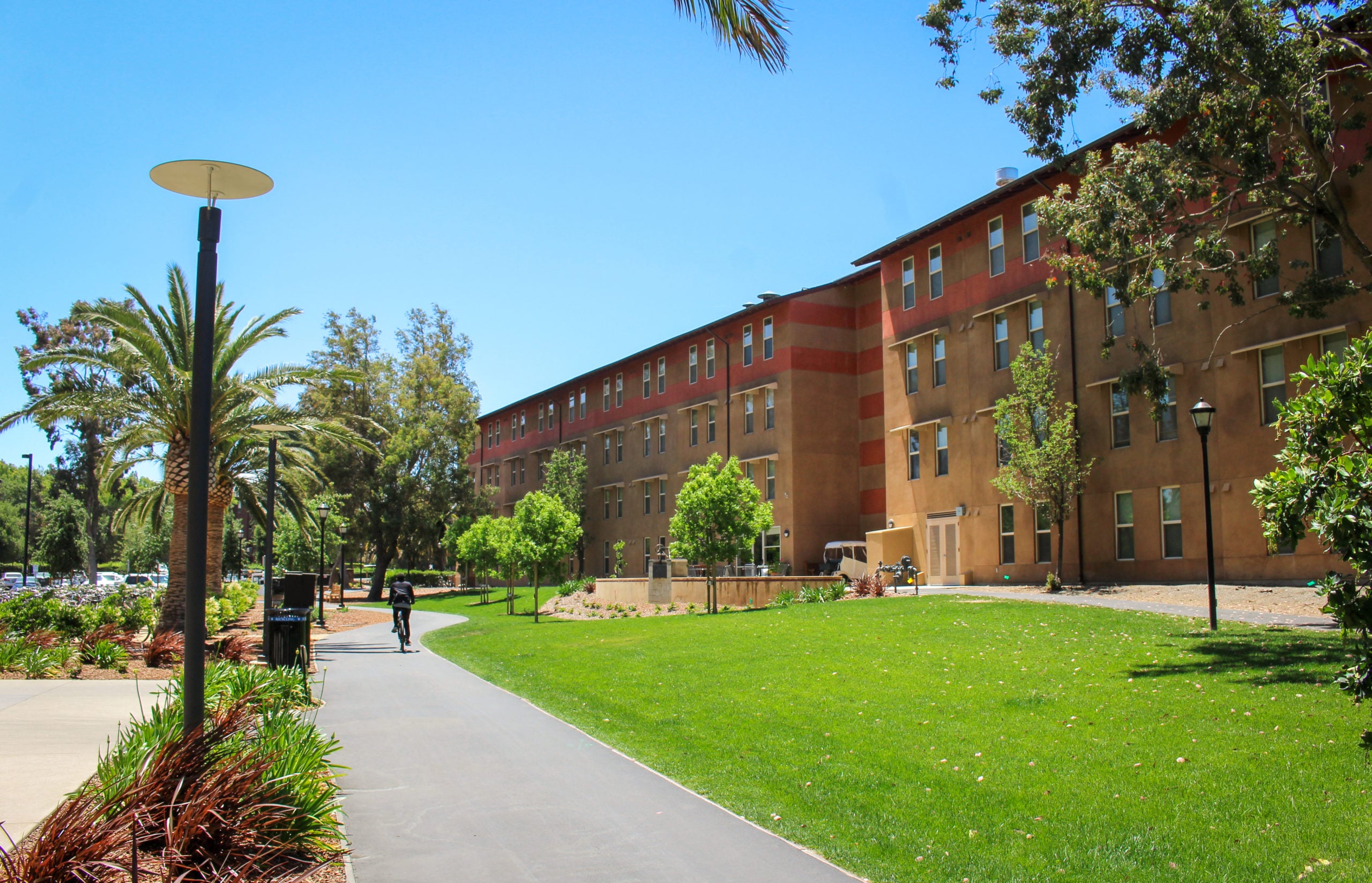
Stanford University plans to discontinue several diversity-focused graduate programs as part of budgetary adjustments, beginning as early as 2026. This decision affects initiatives under the Office of the Vice Provost for Graduate Education (VPGE) and the School of Engineering. The changes come in response to financial constraints and the implications of the U.S. Supreme Court’s 2023 ruling in the case of *Students for Fair Admissions*.
One of the programs being phased out is the Enhancing Diversity in Graduate Education Doctoral Fellowship (EDGE). The EDGE program aimed to promote inclusion within Stanford’s graduate community. It will be replaced by the Thrive at Stanford program, which will launch for incoming Ph.D. students starting in the 2026-2027 academic year.
In addition to the discontinuation of EDGE, the Summer Undergraduate Research Fellowship (SURF) will also see significant changes. This long-standing program has provided essential research opportunities and preparation for graduate school to students from underrepresented backgrounds. Starting this summer, SURF will cease to offer housing and dining support for students coming from outside the Bay Area. The new restrictions will limit opportunities for students from other institutions, particularly those who are first-generation college students.
Kenneth Goodson, Vice Provost for Graduate Education and Postdoctoral Affairs, along with Associate Vice Provost Chris Gonzalez Clarke and EDGE Associate Director Chad Coates, communicated these changes through a message to current EDGE fellows in November 2025. They described Thrive as a program that will provide first-year Ph.D. students with peer mentoring and a curriculum designed for academic success and professional development. Thrive is part of a new series of initiatives called “Empowering Your Journey,” which aims to support around 150 first-year Ph.D. students.
These adjustments follow the earlier closure of the Diversifying Academia, Recruiting Excellence (DARE) Doctoral Fellowship Program, which was announced in the previous year. While the new programs aim to support graduate students, the emphasis on diversity and inclusion that characterized programs like EDGE and DARE is notably absent.
In an email to *The Daily*, Goodson stated, “Thrive will incorporate some aspects of EDGE including peer mentorship, which our EDGE annual evaluations consistently revealed was a particularly well-regarded component of that program.” Alongside Thrive, the VPGE will introduce another program, “Maintaining Momentum,” intended to assist doctoral students after they qualify for candidacy in their respective departments.
Former participants of EDGE and SURF have expressed concerns regarding the changes. One anonymous EDGE alumnus commented, “As an international student, EDGE made Stanford feel like a safer institution to consider. I am concerned that future international applicants may read the closure of programs like this as a signal that their experiences are no longer being explicitly recognized or supported.”
Marigold Gil Malinao, a fifth-year Ph.D. candidate who participated in SURF during her undergraduate studies at UC San Diego in 2020, described her experience as “life-changing.” Malinao emphasized the importance of the program in her journey to graduate school, noting that the new policies would have disqualified her from receiving financial aid during her application to SURF.
“I would not have been able to travel to the Bay Area or take any opportunities that expected financial contribution from me,” Malinao explained. “The SURF program appealed to me because we would be able to focus on research and learning without having to worry about travel expenses or housing, and even made a stipend in the process.”
According to Thomas Kenny, Senior Associate Dean for Education and Student Affairs at the School of Engineering, the revised SURF will accept applications only from students at local institutions who can arrange their own housing during the summer. This change aims to reduce operational costs while maintaining some benefits of the original program within the current budget constraints.
The SURF website has since been updated to reflect the new focus, now referred to as SURF Bay Area, indicating its shift in eligibility criteria. Although initially intended for Bay Area students, the program has been adjusted to include other domestic students, provided they can secure their own housing and dining arrangements.
Malinao expressed her trust in the dedicated community behind the SURF program, stating, “I do feel grief when I think about the students from all around the U.S. and the world that will no longer have the ability to participate in SURF.”
As Stanford implements these changes, the impact on diversity within its graduate programs remains a significant concern for many students and alumni. The university’s modifications reflect broader challenges in higher education funding while raising questions about the future of support for underrepresented groups in academia.

Robinhood Stock Surges 2.5% Today Amid Tech Market Recovery

Philadelphia’s Earth Month Kicks Off with Free Events in Parks

GSK’s Inhaler Decision Sparks Health Concerns for Children

Bradford’s Fish Fry Fridays Offer Community Spirit and Flavor

Speculation Rises on Shutdowns During Trump’s Potential Presidency

Samsung Galaxy Watch 9 to Feature Larger Battery, Report Reveals

Inventors Find New Purpose Through Unconventional Paths

UConn Huskies Aim for Back-to-Back Titles in 2026 NCAA Tournament

U.S. Mine Countermeasure Ships Dock in Malaysia for Logistics Stop

University of Hawaiʻi at Mānoa Joins $25.6M AI Initiative for Disaster Monitoring

$2.2 Million Boost for Cancer Research and Training in Hawaiʻi

ALMA Discovers Companion Orbiting Red Giant Star π 1 Gruis

Sacituzumab Govitecan Shows Promise for HR+/HER2− Breast Cancer

币安人生 Sees $15.92 Million in Trading Volume Amid Market Fluctuations

New Gel Offers Hope for Regrowing Tooth Enamel in Dentistry

CAVA Group Shares Surge 5.1% Amid Mixed Analyst Ratings

Supreme Court to Review Birthright Citizenship for Children of Immigrants

Christian Bale in Talks to Join Leonardo DiCaprio in Heat 2
-
Science9 months ago
University of Hawaiʻi at Mānoa Joins $25.6M AI Initiative for Disaster Monitoring
-
 Health7 months ago
$2.2 Million Boost for Cancer Research and Training in Hawaiʻi
-
 Science8 months ago
ALMA Discovers Companion Orbiting Red Giant Star π 1 Gruis
-
 Health7 months ago
Sacituzumab Govitecan Shows Promise for HR+/HER2− Breast Cancer
-
Politics5 months ago
币安人生 Sees $15.92 Million in Trading Volume Amid Market Fluctuations
-
 Health8 months ago
New Gel Offers Hope for Regrowing Tooth Enamel in Dentistry
-
 Business7 months ago
CAVA Group Shares Surge 5.1% Amid Mixed Analyst Ratings
-
 Politics7 months ago
Supreme Court to Review Birthright Citizenship for Children of Immigrants
-
 Entertainment8 months ago
Christian Bale in Talks to Join Leonardo DiCaprio in Heat 2
-

 Lifestyle8 months ago
Art Deco and Traditional Designs Set to Transform Homes in 2026
-

 Lifestyle7 months ago
Fernando Mendoza Secures Maxwell and O’Brien Awards Ahead of Heisman
-

 World8 months ago
Swiss Residents Reject 50% Inheritance Tax on Wealthy