
Science
NotebookLM Transforms Research Approach, Challenging ChatGPT

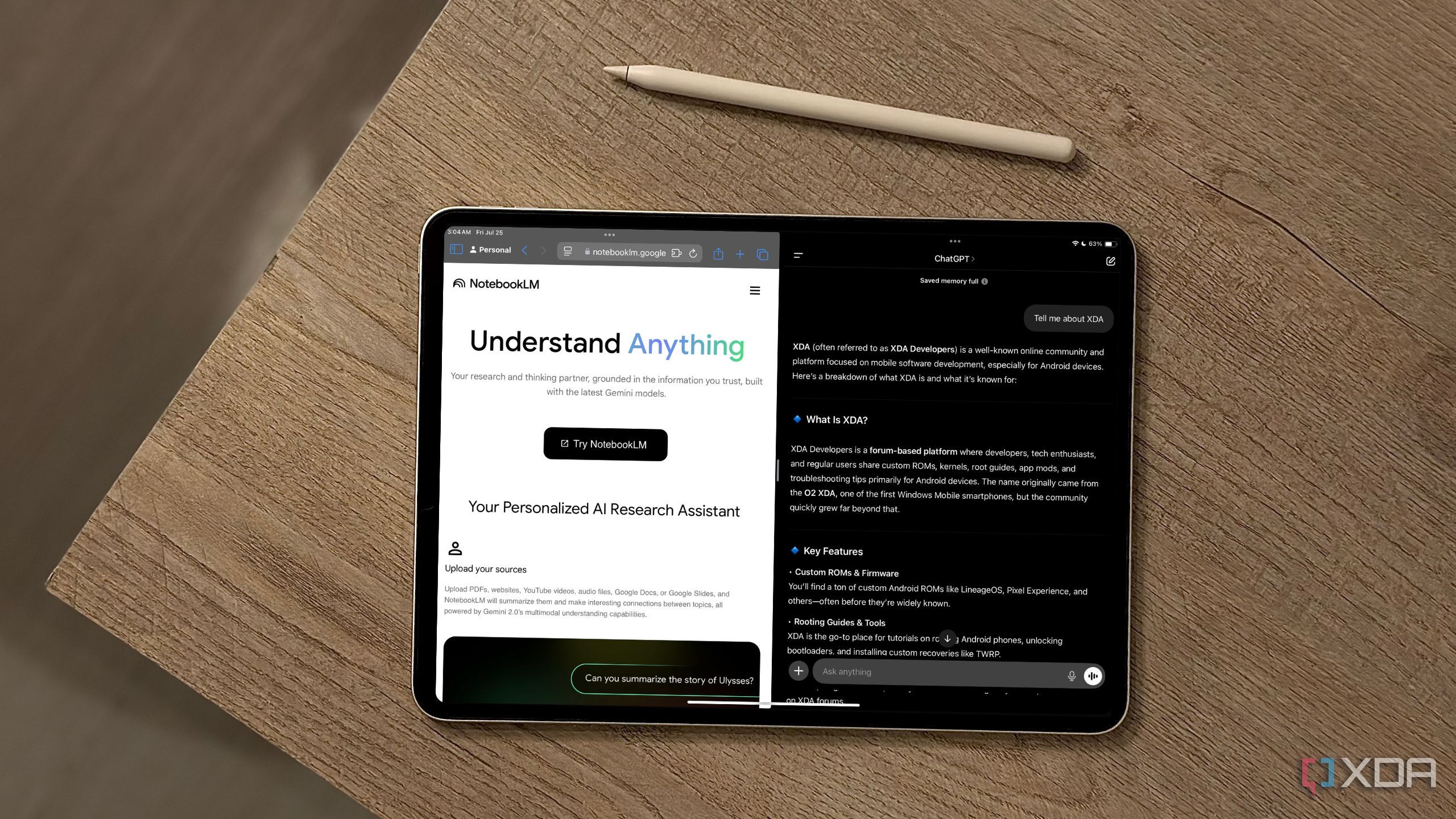
The introduction of NotebookLM is reshaping how users approach research, particularly in comparison to ChatGPT. While ChatGPT has long been a go-to tool for gathering information, the emergence of NotebookLM is prompting a shift in how individuals engage with their research processes.
Many users, including myself, have relied heavily on ChatGPT for its ability to quickly provide information and cite sources. The tool’s integration of a browsing feature allows access to real-time data, making it convenient for staying updated with current events. Despite its strengths, ChatGPT is not without limitations. Instances of errors and a lack of depth in understanding can hinder its effectiveness, particularly for academic purposes. Furthermore, the free version restricts document uploads to three files daily, each with a maximum size of 512MB, which can complicate research efforts.
NotebookLM, on the other hand, adopts a different approach by prioritizing source analysis over general prompts. This method encourages users to engage more deeply with their materials, fostering a more active research experience. By utilizing retrieval-augmented generation (RAG) technology, NotebookLM efficiently fetches, parses, and indexes full content from web links. Users can then prompt the tool to search through indexed material, citing specific passages directly.
Enhanced Research Capabilities
What sets NotebookLM apart is its focus on providing a structured framework for research. For users who prefer a bottom-up approach, the tool necessitates a solid understanding of the content before diving into prompts. This process enhances comprehension and retention, making it especially beneficial for academic work. Its real-time web search capability, powered by Gemini, allows for the retrieval of relevant links when needed, providing additional support without sacrificing engagement with the material.
The indexing system employed by NotebookLM is another advantage, as it ensures that responses are based on a consistent set of sources rather than relying on real-time searches that may introduce variability. This stability reduces the risk of receiving vague or unrelated answers, allowing for more precise and accurate research outcomes. The free plan offers access to 50 sources per notebook and accommodates up to 500,000 words per source, sufficient for most research needs.
Additionally, NotebookLM’s citation model is inherently structural, linking answers directly to specific passages within the sources. This feature streamlines the verification process, minimizing the chances of integrating incorrect assumptions into research.
Beyond Basic Research Tools
NotebookLM also includes supplementary features that enhance the overall research experience. Tools such as Mind Map, Quiz, and Flashcards allow users to transform their findings into interactive study aids, reinforcing learning and aiding comprehension. This multifaceted approach enables users to independently gather information and subsequently synthesize it through NotebookLM, creating a comprehensive learning experience.
While ChatGPT remains a valuable resource, particularly with its Deep Research feature, its best use lies in the initial gathering of information. Consequently, combining the strengths of both tools can optimize research workflows. For instance, users can utilize ChatGPT to source relevant information and then import that data into NotebookLM for further analysis and synthesis.
In conclusion, NotebookLM’s innovative features and focus on source engagement present a compelling alternative to traditional AI research tools like ChatGPT. As users increasingly seek effective ways to enhance their research skills, NotebookLM is positioned as a vital resource in academic and professional settings, fostering a deeper connection with the material and improving overall research outcomes.

Robinhood Stock Surges 2.5% Today Amid Tech Market Recovery

Philadelphia’s Earth Month Kicks Off with Free Events in Parks

GSK’s Inhaler Decision Sparks Health Concerns for Children

Bradford’s Fish Fry Fridays Offer Community Spirit and Flavor

Speculation Rises on Shutdowns During Trump’s Potential Presidency

Samsung Galaxy Watch 9 to Feature Larger Battery, Report Reveals

Inventors Find New Purpose Through Unconventional Paths

UConn Huskies Aim for Back-to-Back Titles in 2026 NCAA Tournament

U.S. Mine Countermeasure Ships Dock in Malaysia for Logistics Stop

University of Hawaiʻi at Mānoa Joins $25.6M AI Initiative for Disaster Monitoring

$2.2 Million Boost for Cancer Research and Training in Hawaiʻi

ALMA Discovers Companion Orbiting Red Giant Star π 1 Gruis

Sacituzumab Govitecan Shows Promise for HR+/HER2− Breast Cancer

币安人生 Sees $15.92 Million in Trading Volume Amid Market Fluctuations

New Gel Offers Hope for Regrowing Tooth Enamel in Dentistry

CAVA Group Shares Surge 5.1% Amid Mixed Analyst Ratings

Supreme Court to Review Birthright Citizenship for Children of Immigrants

Christian Bale in Talks to Join Leonardo DiCaprio in Heat 2
-
Science9 months ago
University of Hawaiʻi at Mānoa Joins $25.6M AI Initiative for Disaster Monitoring
-
 Health7 months ago
$2.2 Million Boost for Cancer Research and Training in Hawaiʻi
-
 Science8 months ago
ALMA Discovers Companion Orbiting Red Giant Star π 1 Gruis
-
 Health7 months ago
Sacituzumab Govitecan Shows Promise for HR+/HER2− Breast Cancer
-
Politics5 months ago
币安人生 Sees $15.92 Million in Trading Volume Amid Market Fluctuations
-
 Health8 months ago
New Gel Offers Hope for Regrowing Tooth Enamel in Dentistry
-
 Business7 months ago
CAVA Group Shares Surge 5.1% Amid Mixed Analyst Ratings
-
 Politics7 months ago
Supreme Court to Review Birthright Citizenship for Children of Immigrants
-
 Entertainment8 months ago
Christian Bale in Talks to Join Leonardo DiCaprio in Heat 2
-

 Lifestyle8 months ago
Art Deco and Traditional Designs Set to Transform Homes in 2026
-

 Lifestyle7 months ago
Fernando Mendoza Secures Maxwell and O’Brien Awards Ahead of Heisman
-

 World8 months ago
Swiss Residents Reject 50% Inheritance Tax on Wealthy