
Business
Washington Post Announces Major Layoffs, Impacting Oversight

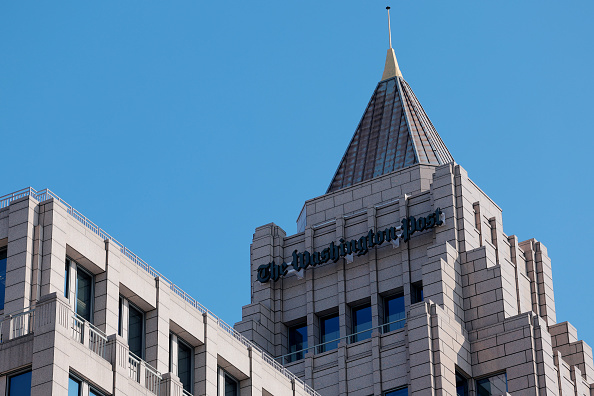
This week, The Washington Post revealed it would implement significant layoffs, a move that raises concerns about the future of investigative journalism and federal oversight. As one of the few remaining national newsrooms capable of in-depth reporting on federal matters, the cuts come at a time when the role of the press is critical for government accountability.
Consequences of Reduced Reporting Capacity
The layoffs at The Post reflect a broader trend within the news industry, which has been facing challenges for years. While some may view these job losses as just another consequence of a shrinking sector, the implications extend far beyond the newsroom itself. With fewer reporters and editors, the capacity for sustained and thorough reporting diminishes. This is particularly concerning for watchdog reporting that requires continuous monitoring of federal actions and policies.
Throughout its history, The Post has played a pivotal role in shaping public understanding of government accountability. Landmark events, such as the Pentagon Papers case and the Watergate scandal, showcase the newspaper’s legacy in investigative journalism. These instances highlight the importance of having a newsroom equipped with adequate resources, time, and editorial independence to uncover the truth and challenge those in power.
Significantly, layoffs impact not only the number of stories produced but also the quality and depth of coverage. Federal oversight reporting demands dedicated personnel who can attend hearings regularly, track government agencies over time, and identify how procedural changes can influence policy. Such intricate reporting requires a team capable of sustaining investigations, even when they lose public interest or traction.
Impact on International Coverage
The decision to cut international coverage is particularly revealing. Understanding the actions and decisions made by a government often relies on context provided through international reporting. When foreign bureaus close and international correspondents are laid off, the public becomes increasingly dependent on official narratives and may miss critical insights into how global events influence domestic policies.
The layoffs at The Post exemplify a troubling trend: the erosion of the very institutions designed to uphold democratic oversight. While the public will still have access to news, the challenge lies in ensuring that this information is founded on rigorous, independent reporting that holds power accountable. As the newsroom shrinks, the absence of experienced journalists becomes evident, leading to fewer opportunities for in-depth investigations.
This reduction in reporting capacity can significantly weaken the public’s ability to scrutinize government actions. With fewer resources dedicated to long-term investigative projects and record requests, the press may struggle to provide a comprehensive account of how federal power is exercised and justified. The ramifications are extensive, affecting what the public can confidently question and challenge.
As we reflect on the current state of journalism, it is essential to consider which institutions retain the ability to conduct thorough, independent reporting free from external pressures. The future of investigative journalism hangs in the balance as newsrooms face financial strain and workforce reductions. Wafa Unus, Ph.D., an associate professor of journalism at Fitchburg State University, emphasizes the importance of monitoring these changes closely. The health of democratic oversight relies on the capacity of news organizations to hold power accountable and inform the public adequately.

Robinhood Stock Surges 2.5% Today Amid Tech Market Recovery

Philadelphia’s Earth Month Kicks Off with Free Events in Parks

GSK’s Inhaler Decision Sparks Health Concerns for Children

Bradford’s Fish Fry Fridays Offer Community Spirit and Flavor

Speculation Rises on Shutdowns During Trump’s Potential Presidency

Samsung Galaxy Watch 9 to Feature Larger Battery, Report Reveals

Inventors Find New Purpose Through Unconventional Paths

UConn Huskies Aim for Back-to-Back Titles in 2026 NCAA Tournament

U.S. Mine Countermeasure Ships Dock in Malaysia for Logistics Stop

University of Hawaiʻi at Mānoa Joins $25.6M AI Initiative for Disaster Monitoring

$2.2 Million Boost for Cancer Research and Training in Hawaiʻi

ALMA Discovers Companion Orbiting Red Giant Star π 1 Gruis

Sacituzumab Govitecan Shows Promise for HR+/HER2− Breast Cancer

币安人生 Sees $15.92 Million in Trading Volume Amid Market Fluctuations

New Gel Offers Hope for Regrowing Tooth Enamel in Dentistry

CAVA Group Shares Surge 5.1% Amid Mixed Analyst Ratings

Christian Bale in Talks to Join Leonardo DiCaprio in Heat 2

Supreme Court to Review Birthright Citizenship for Children of Immigrants
-
Science9 months ago
University of Hawaiʻi at Mānoa Joins $25.6M AI Initiative for Disaster Monitoring
-
 Health7 months ago
$2.2 Million Boost for Cancer Research and Training in Hawaiʻi
-
 Science8 months ago
ALMA Discovers Companion Orbiting Red Giant Star π 1 Gruis
-
 Health7 months ago
Sacituzumab Govitecan Shows Promise for HR+/HER2− Breast Cancer
-
Politics5 months ago
币安人生 Sees $15.92 Million in Trading Volume Amid Market Fluctuations
-
 Health9 months ago
New Gel Offers Hope for Regrowing Tooth Enamel in Dentistry
-
 Business7 months ago
CAVA Group Shares Surge 5.1% Amid Mixed Analyst Ratings
-
 Entertainment8 months ago
Christian Bale in Talks to Join Leonardo DiCaprio in Heat 2
-
 Politics7 months ago
Supreme Court to Review Birthright Citizenship for Children of Immigrants
-

 Lifestyle8 months ago
Art Deco and Traditional Designs Set to Transform Homes in 2026
-

 Lifestyle7 months ago
Fernando Mendoza Secures Maxwell and O’Brien Awards Ahead of Heisman
-

 World8 months ago
Swiss Residents Reject 50% Inheritance Tax on Wealthy