
Top Stories
DOGE Disbanded: Federal Spending Goals Fall Short Amid Controversy

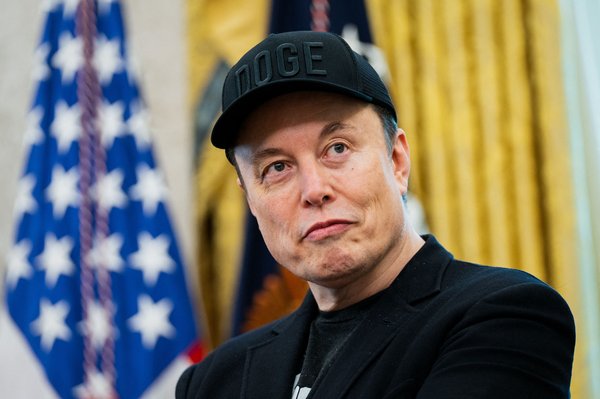
URGENT UPDATE: The Department of Government Efficiency (DOGE) has officially disbanded, according to Reuters reports from September 24, 2023. This crucial development highlights the organization’s failure to achieve its mission of slashing federal spending, raising significant concerns about the future of government efficiency initiatives.
Scott Kupar, head of the U.S. Office of Personnel Management, confirmed the disbandment, stating that while DOGE will no longer operate as a centralized group, its principles remain embedded within various federal agencies. In a social media post, he emphasized, “The truth is: DOGE may not have centralized leadership under @USDS. But, the principles of DOGE remain alive and well: de-regulation; eliminating fraud, waste and abuse; re-shaping the federal workforce; making efficiency a first-class citizen.”
Originally established with much fanfare during the Trump administration, DOGE was envisioned as a powerful entity to cut government spending. However, its influence waned significantly following public disputes between Elon Musk and former President Donald Trump earlier this year. The organization struggled to regain traction and never fully realized its intended power to issue layoff notices or terminate contracts.
Despite claims of achieving around $214 billion in savings, experts have criticized these figures as inflated and inaccurate, citing issues like double-counting. Jessica Riedl, a policy expert at the Brookings Institution, labeled DOGE as “spending cut theatre” that failed to grasp the main drivers of the federal deficit, particularly entitlement programs such as Social Security and Medicare.
Bobby Kogan from the Center for American Progress Action Fund remarked on social media, “Difficult to overstate how profound a failure DOGE was,” pointing out that overall federal spending is projected to rise in the 2025 fiscal year. He noted that spending at Congress’s discretion accounted for roughly 26% of the federal budget last year, underscoring the limited impact DOGE had on broader fiscal policies.
In August, Kupar indicated that approximately 300,000 federal employees would exit the workforce this year, equating to one in eight civilian government employees. While many of these reductions can be attributed to buyouts initiated by DOGE, some employees have since been reinstated.
Despite DOGE’s disbandment, Musk remains a significant figure in U.S. politics. Recently, he attended a dinner with Saudi Crown Prince Mohammed Bin-Salman at the White House, signifying his continued influence and involvement in high-stakes political matters.
As the federal government grapples with the fallout from DOGE’s disbandment, the implications for future spending and efficiency measures remain unclear. The White House did not respond to requests for comment, leaving many questions about the path forward in federal spending reform.
Stay tuned for more updates on this developing story as the impact of DOGE’s collapse unfolds across the federal landscape.

Dallas Pension Crisis Deepens as Board Rejects City’s Proposal

Urgent Winter Weather Advisory: Up to 3 Inches of Snow Expected

ECB’s de Guindos Confirms Interest Rates Will Remain Steady

Delta Flight Diverts to Tokyo After Hydraulic Issue in Mid-Flight

Zacks Research Lowers Earnings Forecast for Avanos Medical

“All’s Fair Season 1 Episode 7 Arrives December 2: What to Expect”

Rolette Record Sold: Cando Editors Take Over Local Newspaper

Gabfests or Genuine Debates? Stakes High in New Mexico Primary

Rolette Record Sold: Cando Men Take Over Local Newspaper

University of Hawaiʻi at Mānoa Joins $25.6M AI Initiative for Disaster Monitoring

IROS 2025 to Showcase Cutting-Edge Robotics Innovations in China

ALMA Discovers Companion Orbiting Red Giant Star π 1 Gruis

Stone Island’s Logo Worn by Extremists Sparks Brand Dilemma

Startup Liberate Bio Secures $31 Million for Next-Gen Therapies

Bravo Company Veterans Honored with Bronze Medals After 56 Years

Mary Morgan Jackson Crowned Little Miss National Peanut Festival 2025

Judge Considers Dismissal of Chelsea Housing Case Citing AI Flaws

Top Hyaluronic Acid Serums for Radiant Skin in 2025
-
Science4 weeks ago
University of Hawaiʻi at Mānoa Joins $25.6M AI Initiative for Disaster Monitoring
-
 Science2 months ago
IROS 2025 to Showcase Cutting-Edge Robotics Innovations in China
-
 Science2 weeks ago
ALMA Discovers Companion Orbiting Red Giant Star π 1 Gruis
-
 Lifestyle2 months ago
Stone Island’s Logo Worn by Extremists Sparks Brand Dilemma
-
 Health2 months ago
Startup Liberate Bio Secures $31 Million for Next-Gen Therapies
-
 World2 months ago
Bravo Company Veterans Honored with Bronze Medals After 56 Years
-
 Lifestyle2 months ago
Mary Morgan Jackson Crowned Little Miss National Peanut Festival 2025
-
 Politics2 months ago
Judge Considers Dismissal of Chelsea Housing Case Citing AI Flaws
-
 Health2 months ago
Top Hyaluronic Acid Serums for Radiant Skin in 2025
-

 Sports2 months ago
Yamamoto’s Mastery Leads Dodgers to 5-1 Victory in NLCS Game 2
-

 Science2 months ago
Arizona State University Transforms Programming Education Approach
-

 Health4 weeks ago
New Gel Offers Hope for Regrowing Tooth Enamel in Dentistry