
Politics
Internet Users Explore Disturbing Wikipedia Pages, Spark Debate

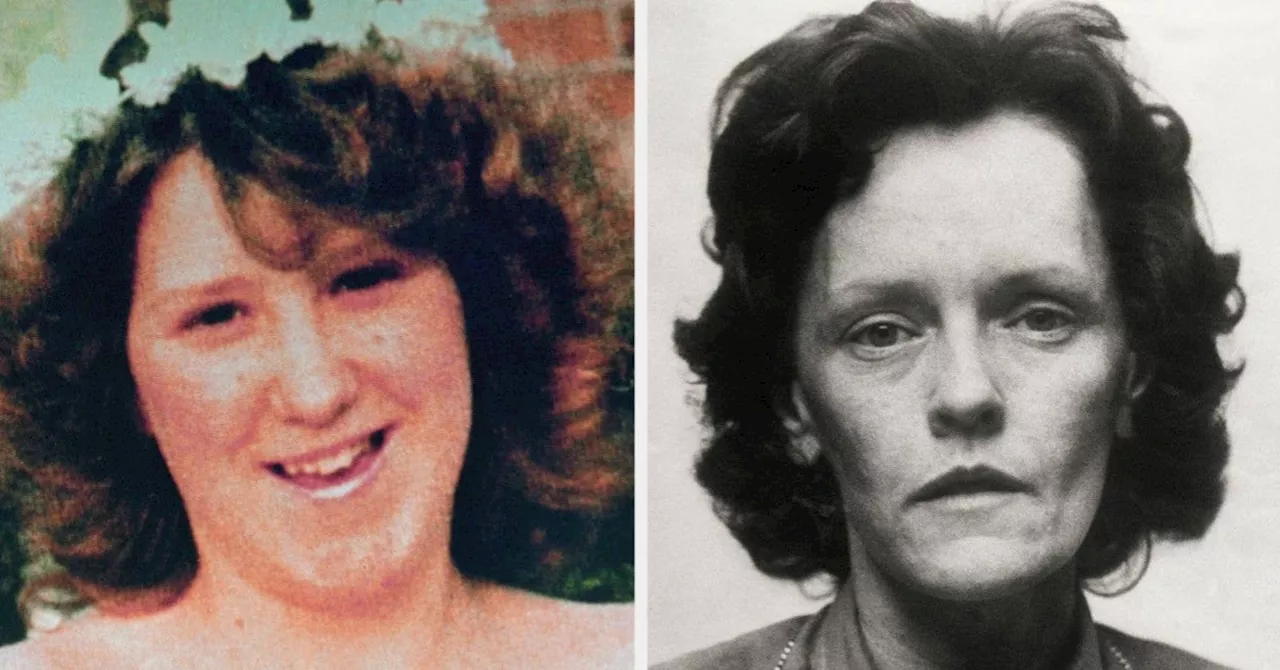
Recent discussions on social media have ignited interest in some of the most disturbing pages on Wikipedia. Users have shared their reactions to content that delves into dark historical events, crime, and societal issues, prompting a broader conversation about the nature of online information and content moderation.
The dialogue began when a popular Twitter account highlighted specific Wikipedia entries that many found particularly unsettling. Posts included comments such as, “It’s possibly the darkest and most disturbing thing I’ve ever read. I felt sick for days.” This sentiment resonates with a growing number of individuals who are grappling with the implications of accessing such content.
Content That Challenges Readers
Some entries that have come under scrutiny include detailed accounts of tragic events and criminal acts. For example, pages discussing notorious serial killers provide graphic details that can be difficult to digest. Users have expressed concern about the impact of encountering such material, especially without adequate warnings or context.
As these discussions unfold, questions regarding content moderation on platforms like Wikipedia arise. While the site is known for its collaborative editing and vast array of topics, the presence of disturbing content raises concerns about how information is presented and what safeguards are in place for sensitive subjects.
According to Wikipedia’s content guidelines, editors are encouraged to approach disturbing topics with care, ensuring that content remains informative while being sensitive to the potential emotional impact on readers. Despite these guidelines, the sheer volume of user-generated content means that not all entries are created equal.
Implications for Online Discourse
The current debate highlights the balance between freedom of information and the responsibility of platforms to protect users from distressing content. Critics argue that while it is essential to document historical and societal issues, the presentation of such topics should be handled delicately. A lack of warning labels or content notes can lead to unprepared readers encountering material that may trigger adverse reactions.
The conversation surrounding these Wikipedia pages is not merely about the content itself but also reflects broader societal concerns regarding mental health and the responsibilities of digital platforms. As users continue to share their experiences, it becomes evident that many people are seeking more guidance on navigating the darker aspects of online information.
In conclusion, the discussions about disturbing Wikipedia pages shed light on critical issues regarding content moderation and user experience in the digital age. As social media users engage with these topics, the implications for how information is presented and consumed will likely shape future guidelines and practices on platforms like Wikipedia.

Robinhood Stock Surges 2.5% Today Amid Tech Market Recovery

Philadelphia’s Earth Month Kicks Off with Free Events in Parks

GSK’s Inhaler Decision Sparks Health Concerns for Children

Bradford’s Fish Fry Fridays Offer Community Spirit and Flavor

Speculation Rises on Shutdowns During Trump’s Potential Presidency

Samsung Galaxy Watch 9 to Feature Larger Battery, Report Reveals

Inventors Find New Purpose Through Unconventional Paths

UConn Huskies Aim for Back-to-Back Titles in 2026 NCAA Tournament

U.S. Mine Countermeasure Ships Dock in Malaysia for Logistics Stop

University of Hawaiʻi at Mānoa Joins $25.6M AI Initiative for Disaster Monitoring

$2.2 Million Boost for Cancer Research and Training in Hawaiʻi

ALMA Discovers Companion Orbiting Red Giant Star π 1 Gruis

Sacituzumab Govitecan Shows Promise for HR+/HER2− Breast Cancer

币安人生 Sees $15.92 Million in Trading Volume Amid Market Fluctuations

New Gel Offers Hope for Regrowing Tooth Enamel in Dentistry

CAVA Group Shares Surge 5.1% Amid Mixed Analyst Ratings

Christian Bale in Talks to Join Leonardo DiCaprio in Heat 2

Supreme Court to Review Birthright Citizenship for Children of Immigrants
-
Science9 months ago
University of Hawaiʻi at Mānoa Joins $25.6M AI Initiative for Disaster Monitoring
-
 Health8 months ago
$2.2 Million Boost for Cancer Research and Training in Hawaiʻi
-
 Science9 months ago
ALMA Discovers Companion Orbiting Red Giant Star π 1 Gruis
-
 Health7 months ago
Sacituzumab Govitecan Shows Promise for HR+/HER2− Breast Cancer
-
Politics5 months ago
币安人生 Sees $15.92 Million in Trading Volume Amid Market Fluctuations
-
 Health9 months ago
New Gel Offers Hope for Regrowing Tooth Enamel in Dentistry
-
 Business8 months ago
CAVA Group Shares Surge 5.1% Amid Mixed Analyst Ratings
-
 Entertainment9 months ago
Christian Bale in Talks to Join Leonardo DiCaprio in Heat 2
-
 Politics8 months ago
Supreme Court to Review Birthright Citizenship for Children of Immigrants
-

 Lifestyle9 months ago
Art Deco and Traditional Designs Set to Transform Homes in 2026
-

 Lifestyle8 months ago
Fernando Mendoza Secures Maxwell and O’Brien Awards Ahead of Heisman
-

 World8 months ago
Swiss Residents Reject 50% Inheritance Tax on Wealthy