
Top Stories
US Military Increases Pressure on Venezuela with B-52 Bomber Flight

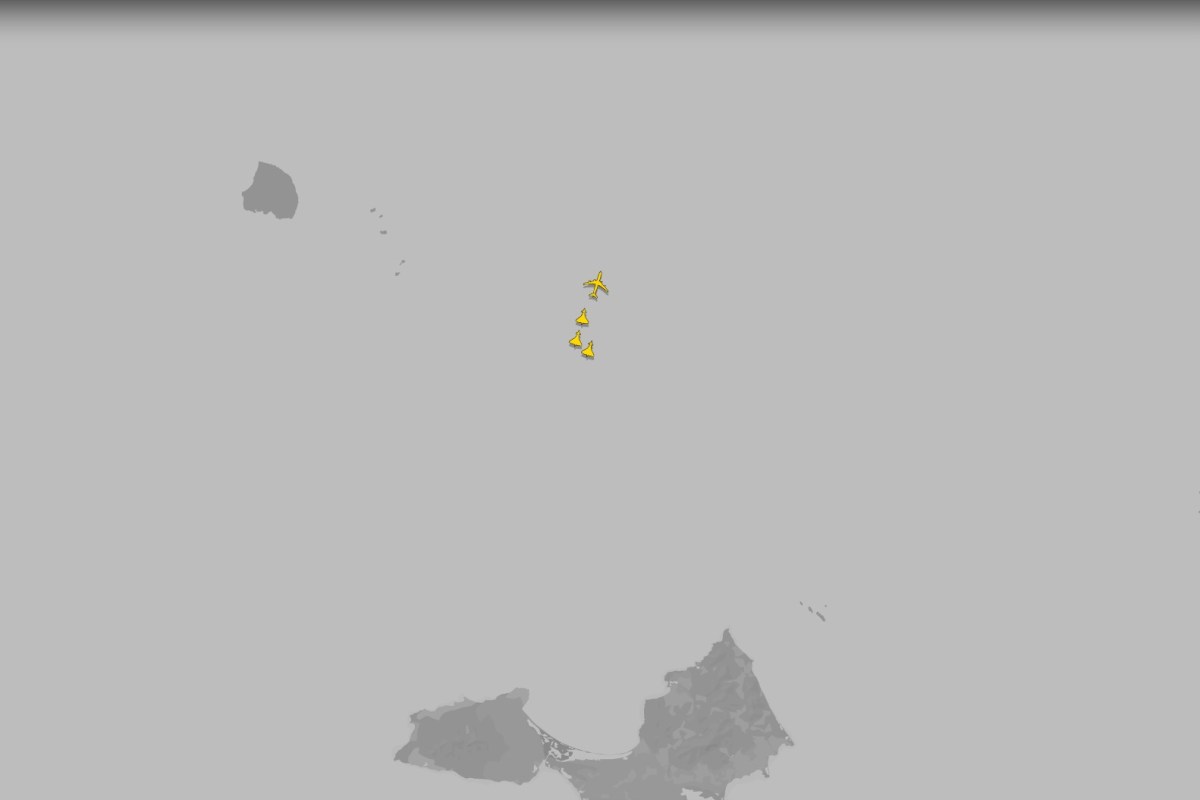
UPDATE: A B-52 bomber conducted a significant flight over the Caribbean Sea, passing near Venezuela on July 17, 2023, marking a crucial escalation in U.S. military activities aimed at pressuring President Nicolas Maduro’s government. This maneuver is part of a broader strategy as the U.S. ramps up military presence in the region, directly linked to ongoing tensions surrounding drug trafficking and national security.
The U.S. military has intensified its operations, utilizing various aircraft including F/A-18 Super Hornets and RC-135 Rivet Joint, all operating in the vicinity of Venezuelan airspace. The B-52’s flight was its second mission in just five days, signaling a determined effort to monitor illicit activities near Venezuela under the Operation Southern Spear initiative.
Why This Matters: What began as a focused crackdown on drug trafficking has escalated into a comprehensive military strategy against Maduro’s regime. The U.S. has increased its military footprint, deploying advanced aircraft and naval forces to the southern Caribbean. The administration has recently stated that “all options” remain on the table, indicating a willingness to take further action if necessary.
On the same day, the U.S. formally designated the Cartel de los Soles—a network allegedly connected to top Venezuelan officials—as a terrorist organization. This designation provides the military with enhanced operational capabilities and further legitimizes the pressure campaign against Venezuela.
In a recent interview, Secretary of Defense Pete Hegseth emphasized the U.S. military’s unmatched ability to strike effectively. He warned traffickers, stating, “Don’t get in a boat because it’s going to end poorly for you.” Hegseth highlighted that the new terrorist designation equips the U.S. with more tools to confront the ongoing challenges in the region.
Venezuela’s response has been vehement; Foreign Minister Yan Gil condemned the U.S. actions, calling them a “ridiculous scheme” intended to justify aggressive interventions. Gil urged the U.S. to reconsider its policies, asserting that such actions do not contribute to the fight against drug trafficking and instead harm Caribbean nations.
What Happens Next: Hegseth indicated that the U.S. stands ready to apply sustained pressure, similar to strategies employed against extremist groups globally, if necessary in the Western Hemisphere. Although he refrained from confirming any immediate military strikes on Venezuelan soil, the situation remains fluid and highly charged.
With military assets in place and heightened tensions, the world watches closely as these developments unfold. The implications of U.S. actions not only impact Venezuela but resonate throughout the region, stirring international discourse on sovereignty and security.
As the U.S. continues to ramp up military pressure, the urgency for diplomatic solutions grows. What will be the next move in this high-stakes game? Stay tuned for further updates as this situation develops.

Hong Kong Fire Recovery Efforts Advance as Casualty Search Nears End

Cyber Monday 2025: Top Amazon Deals You Can’t Miss

Summer I Turned Pretty Stars Share Playful Moment at Knicks Game

Navigate Holiday Gifting for Coworkers with Practical Tips

Readers Respond to Epstein Scandal and Playwright’s Legacy

Employees Gear Up for Holiday Gifting: Key Tips Revealed

Dallas Pension Crisis Deepens as Board Rejects City’s Proposal

Urgent Winter Weather Advisory: Up to 3 Inches of Snow Expected

ECB’s de Guindos Confirms Interest Rates Will Remain Steady

University of Hawaiʻi at Mānoa Joins $25.6M AI Initiative for Disaster Monitoring

IROS 2025 to Showcase Cutting-Edge Robotics Innovations in China

ALMA Discovers Companion Orbiting Red Giant Star π 1 Gruis

Stone Island’s Logo Worn by Extremists Sparks Brand Dilemma

Startup Liberate Bio Secures $31 Million for Next-Gen Therapies

New Gel Offers Hope for Regrowing Tooth Enamel in Dentistry

Mary Morgan Jackson Crowned Little Miss National Peanut Festival 2025

Bravo Company Veterans Honored with Bronze Medals After 56 Years

Judge Considers Dismissal of Chelsea Housing Case Citing AI Flaws
-
Science4 weeks ago
University of Hawaiʻi at Mānoa Joins $25.6M AI Initiative for Disaster Monitoring
-
 Science2 months ago
IROS 2025 to Showcase Cutting-Edge Robotics Innovations in China
-
 Science2 weeks ago
ALMA Discovers Companion Orbiting Red Giant Star π 1 Gruis
-
 Lifestyle2 months ago
Stone Island’s Logo Worn by Extremists Sparks Brand Dilemma
-
 Health2 months ago
Startup Liberate Bio Secures $31 Million for Next-Gen Therapies
-
 Health4 weeks ago
New Gel Offers Hope for Regrowing Tooth Enamel in Dentistry
-
 Lifestyle2 months ago
Mary Morgan Jackson Crowned Little Miss National Peanut Festival 2025
-
 World2 months ago
Bravo Company Veterans Honored with Bronze Medals After 56 Years
-
 Politics2 months ago
Judge Considers Dismissal of Chelsea Housing Case Citing AI Flaws
-

 Health2 months ago
Top Hyaluronic Acid Serums for Radiant Skin in 2025
-

 Science2 months ago
Arizona State University Transforms Programming Education Approach
-

 Sports2 months ago
Yamamoto’s Mastery Leads Dodgers to 5-1 Victory in NLCS Game 2