
Business
TAZARA Railway Marks 50 Years Amid Promises of Revitalization

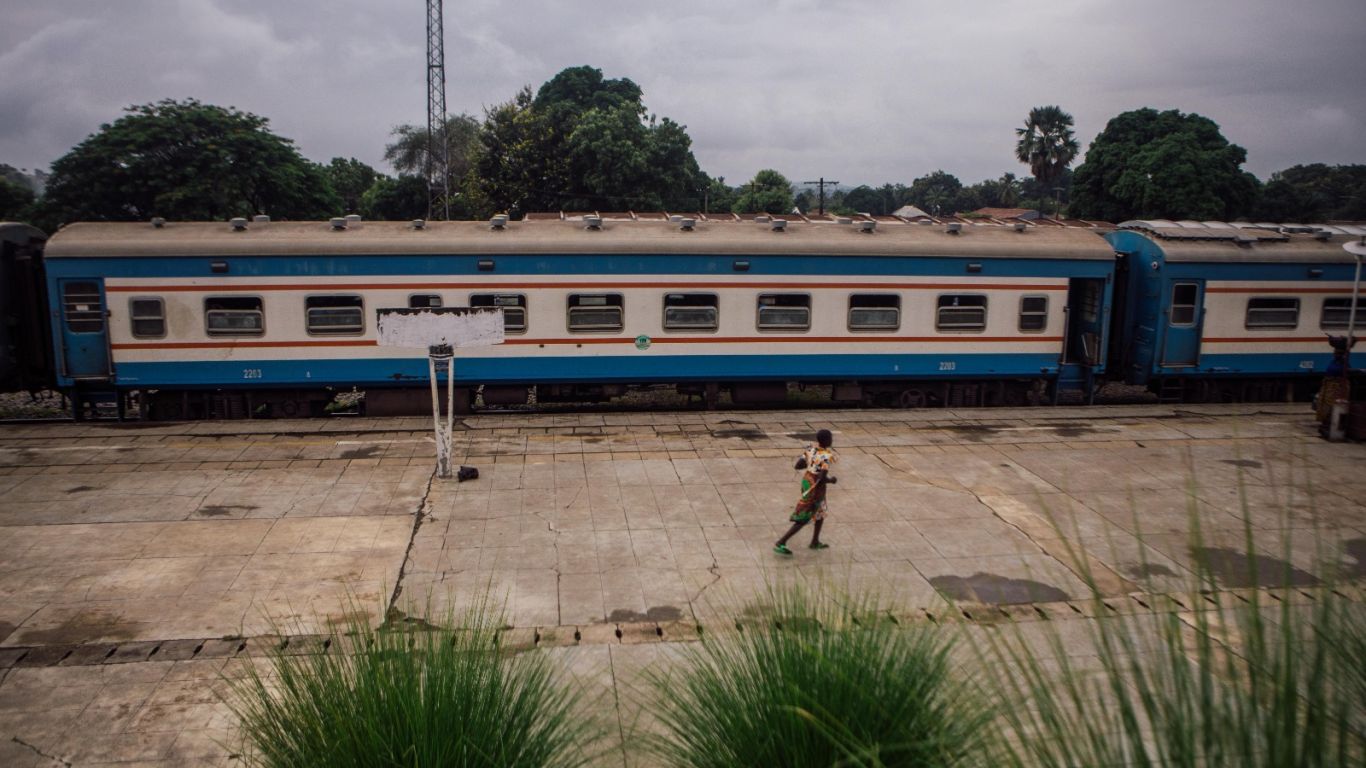
The Tanzania-Zambia Railway Authority (TAZARA) recently celebrated its 50th anniversary, a milestone marked by both nostalgia and challenges. Despite its historical significance as a vital transport link between Tanzania and Zambia, the railway has struggled with delays, deteriorating infrastructure, and safety concerns. A recent journey from Dar es Salaam to Kapiri Mposhi highlighted these issues, but also signalled potential improvements due to a significant investment from the China Civil Engineering Construction Corporation (CCECC).
At the Dar es Salaam train station, passengers gathered for the scheduled departure of the Mukuba Express, only to learn the train would be two hours late. This delay, while frustrating, was not unexpected; TAZARA has long been known for its unreliable service. The railway spans approximately 1,860 kilometers (1,156 miles), connecting Tanzania’s largest city to Zambia’s copper-producing regions. Official timetables suggest the journey should take around 40 hours, but frequent delays make it nearly impossible to predict travel times accurately.
For many, the TAZARA offers an affordable means to reach remote areas not serviced by major highways. A first-class sleeper ticket to Mbeya costs just over $20, making it an appealing option for both local passengers and international tourists. However, for decades, the railway has struggled to maintain its infrastructure, requiring foreign investment just to keep operations running.
In April 2025, serious incidents underscored the urgency of repairs. Two locomotives derailed in southern Tanzania, resulting in the deaths of both drivers, while a collision involving a rescue train in June claimed one employee’s life and injured many others. Following these events, TAZARA temporarily suspended passenger services due to “unexpected operational challenges.”
Signs of change are on the horizon with CCECC’s pledge of $1.4 billion to refurbish the railway over the next three years. This investment will primarily focus on rehabilitating tracks and acquiring 32 new locomotives along with 762 wagons. The aim is to significantly enhance both freight and passenger transport capacity. In exchange, CCECC will manage TAZARA for a 30-year period before returning control to Tanzanian and Zambian authorities.
On a recent Friday in late February, the Mukuba Express finally departed, albeit two and a half hours behind schedule. Passengers watched the scenery transform from industrial areas to informal settlements as the train made its way westward. Inside, the train’s age was evident; worn seats and fading paint reflected years of neglect.
The TAZARA was initially constructed with significant support from China in the 1970s, during a period when Western nations were reluctant to invest in Africa. This historical context has evolved, with contemporary infrastructure projects more closely tied to economic benefits, particularly in relation to Zambia’s copper resources vital for green technology.
Despite moving only about 500,000 tonnes of cargo annually—far below its intended capacity of five million tonnes—the railway is viewed as an important economic asset. With the planned upgrades, CCECC anticipates quadrupling this figure, which would facilitate copper exports from Zambia to Chinese ports.
For passengers like Jonathan Ngondo, a civil servant with a side business in rice farming, the railway remains a practical choice for transporting goods. “The TAZARA is economical and more enjoyable than the bus,” he said, highlighting its dual purpose for both travel and commerce. Similarly, Agnes, a Zambian mother, emphasized the train’s affordability as she travelled to visit her parents, reflecting a shared sentiment among many who rely on TAZARA for their journeys.
As the night progressed, the train transformed into a lively social space. Passengers filled the dining car, where Tanzanian music played, creating an atmosphere of camaraderie. While some enjoyed local delicacies, others engaged in lively discussions, showcasing the railway’s role as a community hub despite its operational challenges.
Throughout the journey, the train navigated stunning landscapes, including the Southern Highlands, where hawkers sold local delicacies at stops. As the Mukuba Express continued its journey, it provided a glimpse into the daily lives of those living along the railway, enriching the travel experience.
Despite the promising investment from CCECC, the future of the TAZARA will depend heavily on consistent management and effective maintenance strategies. As Zambian President Hakainde Hichilema noted during a recent inauguration event, the railway represents an essential asset for the communities it serves. “This is your asset,” he stated, urging locals to take pride in and care for the railway that has linked their nations for half a century.
In conclusion, while the TAZARA has faced significant hurdles over its 50 years of operation, the recent developments signal a potential turnaround. With a focus on revitalization and improved service, the railway could once again play a crucial role in connecting people and economies across Tanzania and Zambia.

14-Year-Old Founder’s Y Combinator Application Goes Viral

One in Six Adults Have Relationship ‘Backup Person’ Revealed

Food Safety Experts Urge: Avoid These 5 Foods When Dining Out

Scientists Unravel Mystery Behind Blinding Blue Flashes in Space

Steelers Face Browns in Crucial AFC North Showdown Today

Black Ice Causes Nationwide Accidents and Overcrowded ERs in Germany

Atlas Copco Sees 70% Jump in Short Interest, Analysts React

Malachi Barton Rises to Fame as 2025’s Most Searched Actor

Revamp Your Fitness Wardrobe with Stylish Essentials for 2026

University of Hawaiʻi at Mānoa Joins $25.6M AI Initiative for Disaster Monitoring

New Gel Offers Hope for Regrowing Tooth Enamel in Dentistry

ALMA Discovers Companion Orbiting Red Giant Star π 1 Gruis

Park Jung Min’s Endearing Moment with Hwasa Steals Show at Awards

IROS 2025 to Showcase Cutting-Edge Robotics Innovations in China

Stone Island’s Logo Worn by Extremists Sparks Brand Dilemma

Sampson County Celebrates Susie Faison’s 100th Birthday Milestone

Mary Morgan Jackson Crowned Little Miss National Peanut Festival 2025

Startup Liberate Bio Secures $31 Million for Next-Gen Therapies
-
Science2 months ago
University of Hawaiʻi at Mānoa Joins $25.6M AI Initiative for Disaster Monitoring
-
 Health2 months ago
New Gel Offers Hope for Regrowing Tooth Enamel in Dentistry
-
 Science1 month ago
ALMA Discovers Companion Orbiting Red Giant Star π 1 Gruis
-
 Lifestyle1 month ago
Park Jung Min’s Endearing Moment with Hwasa Steals Show at Awards
-
 Science2 months ago
IROS 2025 to Showcase Cutting-Edge Robotics Innovations in China
-
 Lifestyle2 months ago
Stone Island’s Logo Worn by Extremists Sparks Brand Dilemma
-
 Lifestyle2 months ago
Sampson County Celebrates Susie Faison’s 100th Birthday Milestone
-
 Lifestyle2 months ago
Mary Morgan Jackson Crowned Little Miss National Peanut Festival 2025
-
 Health2 months ago
Startup Liberate Bio Secures $31 Million for Next-Gen Therapies
-

 Health2 months ago
Top Hyaluronic Acid Serums for Radiant Skin in 2025
-

 Science2 months ago
Arizona State University Transforms Programming Education Approach
-

 Politics2 months ago
Judge Considers Dismissal of Chelsea Housing Case Citing AI Flaws