
Health
Maine Reports Record Highs in Tick-Borne Diseases for 2025

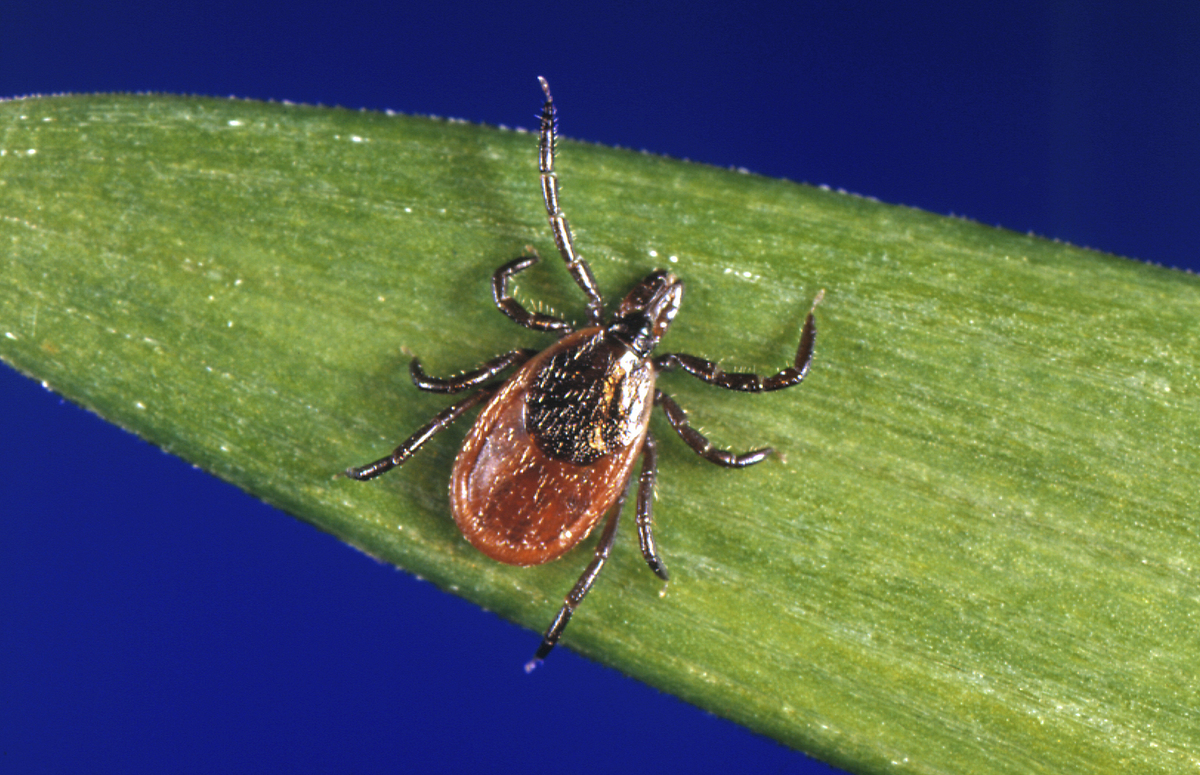
Reports indicate that in 2025, Maine has experienced an unprecedented surge in cases of tick-borne diseases, with figures surpassing those of previous years. As of December 23, the state recorded a total of 3,611 cases of Lyme disease, an increase from 3,218 cases in 2024. Similarly, the number of reported cases of anaplasmosis climbed to 1,598, up from 1,284 the previous year. Cases of babesiosis also rose, with 349 reports compared to 309 in 2024. This trend highlights the ongoing expansion of tick populations in Maine and underscores growing public health concerns.
The uptick in these diseases, which are transmitted through the bites of infected ticks, has serious implications for residents. Some individuals have faced chronic health challenges as a result of these infections, and there have even been fatalities attributed to tick-borne illnesses in recent years. The rise in Lyme disease cases has been particularly concentrated in Hancock, Knox, Lincoln, and Waldo counties, where anaplasmosis rates are also reportedly higher.
Emerging Trends and Community Impact
Research conducted by the University of Maine has identified the state’s midcoast as a new epicenter for tick-borne diseases, as ticks spread from southern regions. The increasing prevalence of anaplasmosis and babesiosis has been noted by residents in communities such as Islesboro. In October, local residents and the island’s nurse practitioner expressed concerns to the Bangor Daily News (BDN), indicating that these lesser-known diseases are becoming more common. The island recorded its first known case of babesiosis this year, reflecting a broader trend where reports of such diseases have doubled since 2023.
The rise in tick populations can be attributed to several environmental factors. Warmer and wetter winters have created favorable conditions for ticks to survive, stay active for longer periods, and reproduce more frequently. According to Griffin Dill, the tick lab coordinator at the University of Maine, the coastal regions experience milder winters and provide ample habitat for wildlife that serve as hosts for ticks. Dense populations of deer confined to limited areas, combined with increased outdoor activities among residents, further exacerbate the situation.
As Maine grapples with this public health challenge, the focus remains on understanding the dynamics of tick-borne diseases and implementing measures to mitigate their spread. The state’s escalating case numbers reflect not only a growing health crisis but also the need for heightened awareness and proactive strategies among residents and health officials alike.

Shawn Porter Reveals 2-Year-Old Son Shows Boxing Talent NOW

China Conducts Live-Fire Drills Around Taiwan, Heightening Tensions

Canaccord Upgrades Royal Bank of Canada with Positive Outlook

Anticipated Drama Unfolds in The Young and the Restless: Dec. 29 – Jan. 2

Americans Envy Global Customs They Wish to Adopt

Individual Battles Job Stress While Considering Life Changes

Public Voices Opinions on Jimmy Kimmel, New Appointees, and ASPCA Fundraising

New Running Shoes Launch Just in Time for 2026 Fitness Goals!

Urgent Health Update: DNA-Tailored Program Reshapes Wellness

University of Hawaiʻi at Mānoa Joins $25.6M AI Initiative for Disaster Monitoring

New Gel Offers Hope for Regrowing Tooth Enamel in Dentistry

ALMA Discovers Companion Orbiting Red Giant Star π 1 Gruis

Park Jung Min’s Endearing Moment with Hwasa Steals Show at Awards

IROS 2025 to Showcase Cutting-Edge Robotics Innovations in China

Stone Island’s Logo Worn by Extremists Sparks Brand Dilemma

Sampson County Celebrates Susie Faison’s 100th Birthday Milestone

Mary Morgan Jackson Crowned Little Miss National Peanut Festival 2025

Startup Liberate Bio Secures $31 Million for Next-Gen Therapies
-
Science2 months ago
University of Hawaiʻi at Mānoa Joins $25.6M AI Initiative for Disaster Monitoring
-
 Health2 months ago
New Gel Offers Hope for Regrowing Tooth Enamel in Dentistry
-
 Science1 month ago
ALMA Discovers Companion Orbiting Red Giant Star π 1 Gruis
-
 Lifestyle1 month ago
Park Jung Min’s Endearing Moment with Hwasa Steals Show at Awards
-
 Science2 months ago
IROS 2025 to Showcase Cutting-Edge Robotics Innovations in China
-
 Lifestyle2 months ago
Stone Island’s Logo Worn by Extremists Sparks Brand Dilemma
-
 Lifestyle2 months ago
Sampson County Celebrates Susie Faison’s 100th Birthday Milestone
-
 Lifestyle3 months ago
Mary Morgan Jackson Crowned Little Miss National Peanut Festival 2025
-
 Health2 months ago
Startup Liberate Bio Secures $31 Million for Next-Gen Therapies
-

 Health3 months ago
Top Hyaluronic Acid Serums for Radiant Skin in 2025
-

 Science3 months ago
Arizona State University Transforms Programming Education Approach
-

 Politics2 months ago
Judge Considers Dismissal of Chelsea Housing Case Citing AI Flaws