
Politics
Navigating Friendships: A Guide to Social Inclusion

A retired military veteran is grappling with feelings of exclusion from a social group, raising questions about friendship dynamics and social inclusion. After serving in the military and the Department of Defense for 38 years, the individual, who has relocated to a new town, finds herself on the outskirts of a larger circle of friends.
The woman became friends with another local resident two years ago, who then introduced her to a larger network of approximately 19 women. While she has built close relationships with her initial friend and her best friend, the larger group has not extended a formal invitation to include her in their ongoing communications. Instead, she receives invitations to quarterly birthday parties through a separate text chain but is often left unaware of other group activities.
Feeling like a “friend of a friend,” she expresses discomfort when joining in on activities through the invitations of her close friends. While they encourage her to attend, she worries about overstepping boundaries, describing the experience as reminiscent of middle school social dynamics.
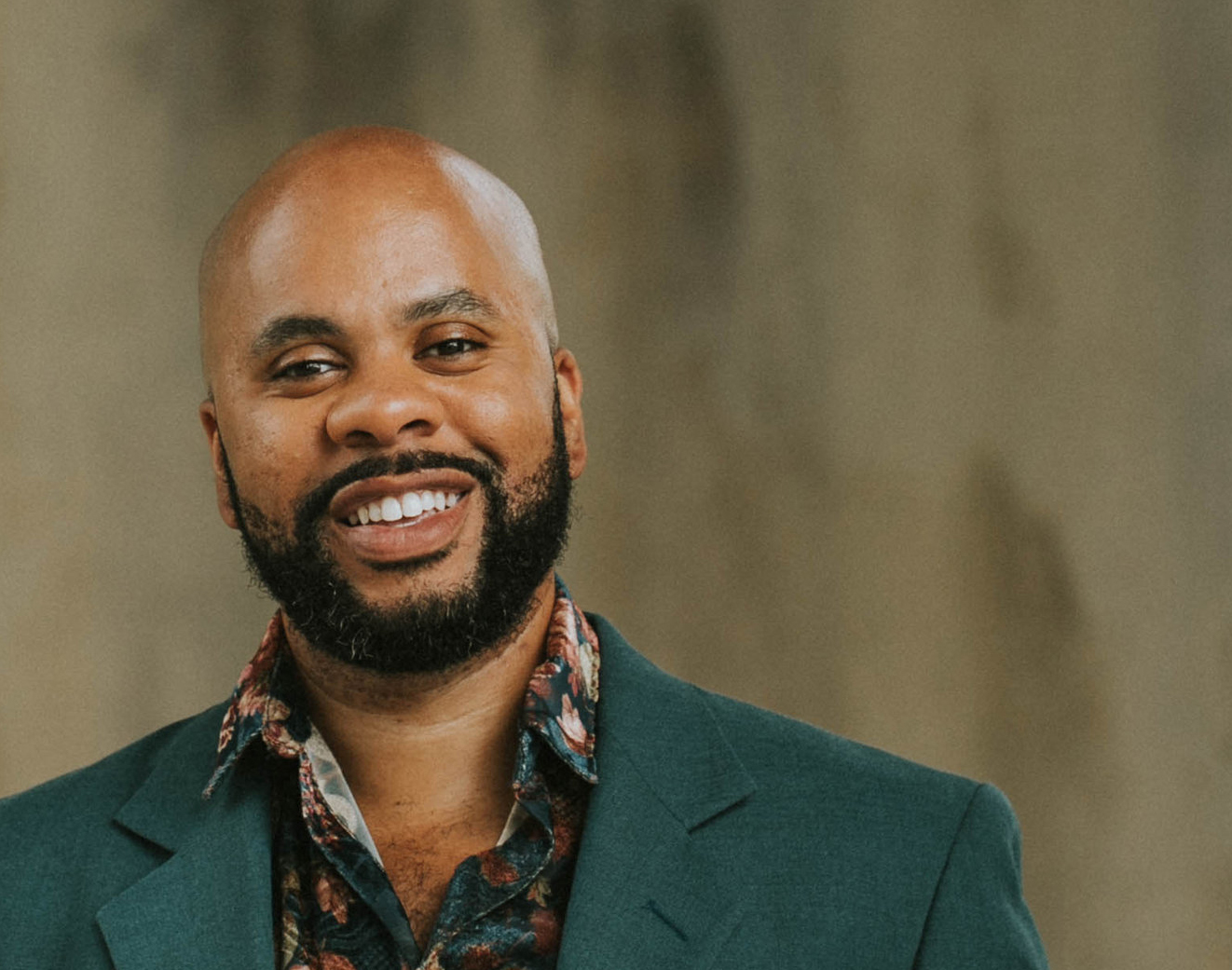
In response, social dynamics expert Eric Thomas emphasizes that feeling excluded is a common experience, regardless of age. He suggests that the established nature of the larger group may contribute to her feelings of isolation. To navigate these social waters, he recommends cultivating friendships with other members of the group.
In his advice, Thomas encourages reaching out to other group members with whom she may have formed connections, suggesting informal gatherings such as tea or lunch. By expressing a genuine interest in deepening these relationships, she may find a more welcoming space within the larger group dynamic.
“People like to hear, ‘I’d love to get to know you better’ or ‘can we be better friends?’” Thomas notes, highlighting that these small gestures can lead to significant social ties.
In a separate query, a reader raises a question about holiday card etiquette, particularly concerning naming conventions for families. With many modern families opting for varied last names, the reader inquires whether it is appropriate to use a family title that does not reflect the mother’s surname. Thomas suggests using a more inclusive address, such as “Mr. John Smith & Ms. Jane Doe & Family,” which acknowledges all family members while respecting individual preferences.
Lastly, another reader identifies with a previous letter about household responsibilities and mental health. She relates her own struggles with anxiety and depression, which can lead to disengagement from home responsibilities. She advocates for open conversations about these challenges, suggesting that the husband from the earlier letter encourage his wife to consult a doctor for support.
Thomas reinforces the idea that understanding and communication are key to addressing these complex emotional issues and suggests that an unequal division of labor within a household may require more than just a chore chart to resolve.
Through these discussions, the overarching themes of friendship, social inclusion, and mental well-being are explored, highlighting the importance of communication and understanding in navigating personal relationships.
For further inquiries or to submit questions, readers can contact Eric Thomas at [email protected] or via postal service at P.O. Box 22474, Philadelphia, PA 19110. Follow him on Instagram or sign up for his weekly newsletter at rericthomas.com for ongoing advice and insights.

Robinhood Stock Surges 2.5% Today Amid Tech Market Recovery

Philadelphia’s Earth Month Kicks Off with Free Events in Parks

GSK’s Inhaler Decision Sparks Health Concerns for Children

Bradford’s Fish Fry Fridays Offer Community Spirit and Flavor

Speculation Rises on Shutdowns During Trump’s Potential Presidency

Samsung Galaxy Watch 9 to Feature Larger Battery, Report Reveals

Inventors Find New Purpose Through Unconventional Paths

UConn Huskies Aim for Back-to-Back Titles in 2026 NCAA Tournament

U.S. Mine Countermeasure Ships Dock in Malaysia for Logistics Stop

University of Hawaiʻi at Mānoa Joins $25.6M AI Initiative for Disaster Monitoring

$2.2 Million Boost for Cancer Research and Training in Hawaiʻi

ALMA Discovers Companion Orbiting Red Giant Star π 1 Gruis

Sacituzumab Govitecan Shows Promise for HR+/HER2− Breast Cancer

币安人生 Sees $15.92 Million in Trading Volume Amid Market Fluctuations

New Gel Offers Hope for Regrowing Tooth Enamel in Dentistry

CAVA Group Shares Surge 5.1% Amid Mixed Analyst Ratings

Christian Bale in Talks to Join Leonardo DiCaprio in Heat 2

Supreme Court to Review Birthright Citizenship for Children of Immigrants
-
Science9 months ago
University of Hawaiʻi at Mānoa Joins $25.6M AI Initiative for Disaster Monitoring
-
 Health8 months ago
$2.2 Million Boost for Cancer Research and Training in Hawaiʻi
-
 Science9 months ago
ALMA Discovers Companion Orbiting Red Giant Star π 1 Gruis
-
 Health7 months ago
Sacituzumab Govitecan Shows Promise for HR+/HER2− Breast Cancer
-
Politics5 months ago
币安人生 Sees $15.92 Million in Trading Volume Amid Market Fluctuations
-
 Health9 months ago
New Gel Offers Hope for Regrowing Tooth Enamel in Dentistry
-
 Business8 months ago
CAVA Group Shares Surge 5.1% Amid Mixed Analyst Ratings
-
 Entertainment9 months ago
Christian Bale in Talks to Join Leonardo DiCaprio in Heat 2
-
 Politics8 months ago
Supreme Court to Review Birthright Citizenship for Children of Immigrants
-

 Lifestyle9 months ago
Art Deco and Traditional Designs Set to Transform Homes in 2026
-

 Lifestyle8 months ago
Fernando Mendoza Secures Maxwell and O’Brien Awards Ahead of Heisman
-

 World8 months ago
Swiss Residents Reject 50% Inheritance Tax on Wealthy