
Health
Study Reveals Statins’ Side Effects Overstated, Benefits Underrated

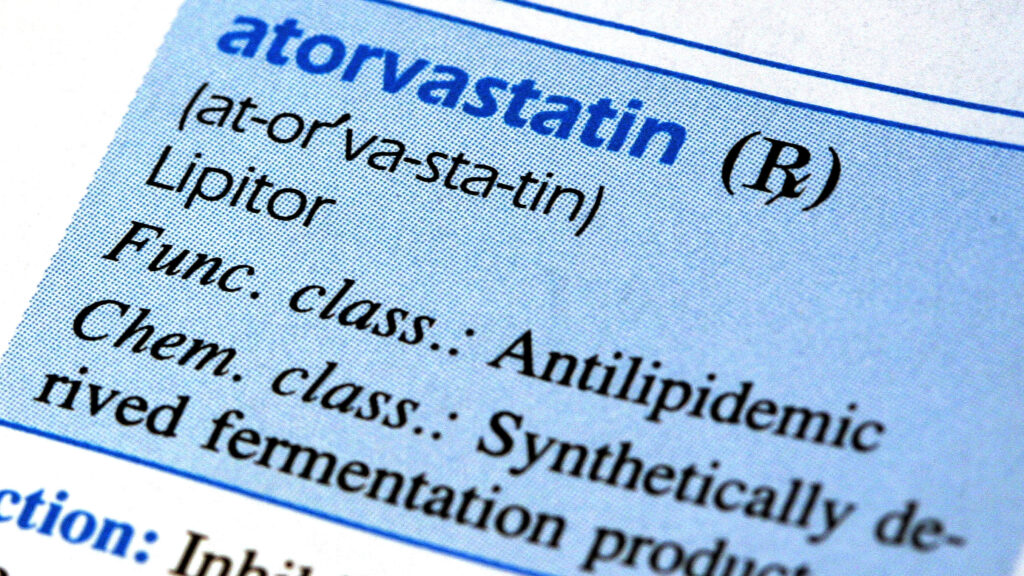
New research published in The Lancet has brought to light significant findings regarding the side effects of statins, a class of medications commonly prescribed to lower cholesterol and reduce the risk of cardiovascular diseases. Contrary to the concerns that have deterred many patients from using these drugs, the study indicates that a majority of the side effects listed on statin packaging lack reliable evidence.
The meta-analysis, conducted by the Cholesterol Treatment Trialists’ Collaboration, examined data from 19 extensive randomized clinical trials involving over 122,000 participants. It revealed that out of 66 potential side effects associated with statin use, only four—minor liver abnormalities, urine changes, tissue swelling, and changes in liver test results—were supported by evidence. These risks, however, were characterized as very small.
Many patients who could benefit from statins either do not initiate therapy or discontinue it prematurely due to fears of adverse effects. The study’s lead author, Christina Reith from Oxford Population Health, stated, “Ongoing confusion and concern, not just in patients but also in many doctors, regarding potential statin side effects mean that many people are not willing to start statins, or have stopped them, even if they’re at high risk of having either a first or recurrent heart attack or stroke.”
Statins have proven effective in reducing levels of LDL or “bad” cholesterol by up to 50%, subsequently lowering the risk of heart attacks and strokes by approximately 25%. With generic versions available for around $40 annually in the United States, the affordability of these medications further underscores their role in preventive cardiology.
Addressing Misconceptions About Statin Use
Despite the established benefits, misconceptions surrounding statins persist. The study found that reported side effects, such as muscle pain, brain fog, and gastrointestinal issues, were similarly reported by individuals taking placebos. For instance, only 0.2% of participants on statins reported experiencing brain fog, the same as those taking a placebo.
The analysis challenges the notion that statins significantly increase the risks of various health concerns. “What we found is there’s no significant excess risk with statins for almost all the conditions listed in statin packaging as potential side effects,” Reith emphasized during a media briefing.
Additionally, the study noted that while there is a slight increase in blood sugar levels associated with statin use, this primarily affects individuals already close to the diagnostic threshold for type 2 diabetes. Thus, the overall benefits of statins outweigh the risks, particularly for patients with existing cardiovascular risk factors.
Future Directions in Statin Therapy
Looking ahead, new guidelines from the American College of Cardiology and the American Heart Association are anticipated in the second quarter of 2024, which will incorporate the latest findings. Research indicates that many younger adults may also benefit from statins, with approximately 9% of individuals aged 30 to 59 showing a heightened 30-year risk for heart attacks or strokes.
Despite the compelling evidence, experts acknowledge that patient hesitancy remains a significant barrier. Timothy Anderson, a primary care physician and assistant professor of medicine at University of Pittsburgh Medical Center, remarked, “The question becomes, is it worth it to start it when you’re 40, or is it fine to wait 10 years until that 10-year risk has crept up?”
While the study’s findings aim to alleviate concerns surrounding statin use, it is clear that building trust between patients and healthcare providers is crucial. Kausik Ray, a public health professor at Imperial College London, highlighted the need for robust analyses to inform drug labeling practices, acknowledging that warnings often stem from anecdotal reports rather than controlled studies.
In summary, the latest research underscores the importance of informed decision-making regarding statin therapy. As healthcare professionals continue to address patient concerns, the focus remains on leveraging the proven benefits of statins to reduce cardiovascular risks in at-risk populations.

Lehigh Valley Motorcycle Expo Thrills Attendees with Races and Vendors

Toheeb Jimoh Discusses His Role in ‘Industry’ Season Four

Ocasio-Cortez Endorses Hochul for Reelection, Shifts Political Strategy

Massachusetts Mother Sues Tesla After Son Dies in Car Fire

Bad Bunny Set to Make Super Bowl LX History with Halftime Show

Researchers Discover Method to Resensitize Chemo-Resistant Cancer Cells

GUESS JEANS Unveils Sustainable Flagship Store in Los Angeles

Minnesota DOC Disputes DHS Claims on ICE Detainers with New Data

Researchers Innovate Greener Amide Synthesis for Drug Production

University of Hawaiʻi at Mānoa Joins $25.6M AI Initiative for Disaster Monitoring

ALMA Discovers Companion Orbiting Red Giant Star π 1 Gruis

New Gel Offers Hope for Regrowing Tooth Enamel in Dentistry

$2.2 Million Boost for Cancer Research and Training in Hawaiʻi

Park Jung Min’s Endearing Moment with Hwasa Steals Show at Awards

Sacituzumab Govitecan Shows Promise for HR+/HER2− Breast Cancer

Sampson County Celebrates Susie Faison’s 100th Birthday Milestone

IROS 2025 to Showcase Cutting-Edge Robotics Innovations in China

Interstellar Comet 3I/ATLAS Approaches Sun, No Threat to Earth
-
Science3 months ago
University of Hawaiʻi at Mānoa Joins $25.6M AI Initiative for Disaster Monitoring
-
 Science3 months ago
ALMA Discovers Companion Orbiting Red Giant Star π 1 Gruis
-
 Health3 months ago
New Gel Offers Hope for Regrowing Tooth Enamel in Dentistry
-
 Health2 months ago
$2.2 Million Boost for Cancer Research and Training in Hawaiʻi
-
 Lifestyle3 months ago
Park Jung Min’s Endearing Moment with Hwasa Steals Show at Awards
-
 Health1 month ago
Sacituzumab Govitecan Shows Promise for HR+/HER2− Breast Cancer
-
 Lifestyle3 months ago
Sampson County Celebrates Susie Faison’s 100th Birthday Milestone
-
 Science4 months ago
IROS 2025 to Showcase Cutting-Edge Robotics Innovations in China
-
 Science3 months ago
Interstellar Comet 3I/ATLAS Approaches Sun, No Threat to Earth
-

 Lifestyle4 months ago
Stone Island’s Logo Worn by Extremists Sparks Brand Dilemma
-

 Lifestyle4 months ago
Mary Morgan Jackson Crowned Little Miss National Peanut Festival 2025
-

 Health4 months ago
Startup Liberate Bio Secures $31 Million for Next-Gen Therapies