
Politics
Gabfests or Genuine Debates? Stakes High in New Mexico Primary

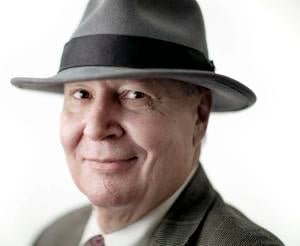
As New Mexico gears up for the Democratic gubernatorial primary in April 2024, the tensions between candidates are becoming more pronounced. Sam Bregman has expressed a strong desire to debate Deb Haaland, but the nature of these proposed “debates” raises questions about their actual purpose. Rather than engaging in substantive discussions, analysts suggest that these events may serve more as platforms for self-promotion than genuine political discourse.
Bregman’s push for a debate comes as he seeks to elevate his visibility and improve his chances in a race that many believe is primarily Haaland’s to lose. With her established presence and significant support, she can afford to take her time in responding to Bregman’s requests. The Democratic primary landscape suggests that visibility through debates could be crucial for Bregman, who has held the position of district attorney in Bernalillo County for less than four months.
Haaland, the current U.S. Secretary of the Interior and former chair of the state Democratic Party, might find herself enjoying the prospect of addressing Bregman’s past. She has the opportunity to question how much time he has dedicated to running the district attorney’s office compared to his ambitions for a gubernatorial run. This dynamic sets the stage for what could be a lively exchange, but it remains to be seen whether it will provide voters with the insights they need.
The term “debate” often conjures images of rigorous exchanges on policy, yet many political events branded as debates tend to lack depth. Historical examples, such as the memorable 1988 vice presidential debate between Senators J. Danforth Quayle and Lloyd Bentsen, illustrate the disconnect. Bentsen’s famous line to Quayle, “You’re no Jack Kennedy,” resonated with audiences but did not translate into electoral success for him or his running mate. Instead, it was Quayle and George H.W. Bush who triumphed in that election.
In the current race, the so-called debates that Bregman seeks would likely focus on the candidates’ differences, but many proposals may not reflect reality. For example, during the 1980 presidential debates, Ronald Reagan claimed he could balance the federal budget within three years—a promise that ultimately had little impact on voters, as evidenced by his landslide victory in 1984.
Voter interest in hearing from all candidates is evident, as some constituents express curiosity about the policy ideas of both Haaland and Bregman. However, Ken Miyagishima, the third candidate in the Democratic primary, often goes unmentioned. Despite holding a long tenure as the mayor of Las Cruces, Miyagishima’s recognition is limited primarily to his home county. Yet, if a debate occurs, he should not be overlooked, as all candidates deserve a platform to communicate their positions.
The significance of the primary election is amplified by the potential for candidates to qualify for the ballot through petition signatures, a process that has proven effective for others in the past. For instance, Gary King, despite being denied a place at the 2014 state Democratic convention, successfully gathered signatures to appear on the ballot. His family connections, including being the son of New Mexico’s longest-serving governor, may have provided an advantage, yet not all candidates have such lineage.
As the primary approaches, the history of the Democratic Party in New Mexico plays a crucial role in shaping candidate narratives. Bregman, who was state Democratic Party chairman during a particularly challenging election cycle, witnessed firsthand the consequences of campaign failures. The Democrats lost not only the gubernatorial race but also control of the state House of Representatives for the first time in over six decades. In contrast, Haaland’s leadership during the party’s resurgence in subsequent elections offers her a poignant talking point that could resonate with voters.
Ultimately, while the upcoming political events may be labeled as debates, their true essence remains uncertain. The focus should be on the candidates’ actions and policies, rather than the spectacle of televised appearances. As the primary date approaches, New Mexico voters will be looking for clarity on where each candidate stands and how their past experiences shape their visions for the state’s future.

Delta Flight Diverts to Tokyo After Hydraulic Issue in Mid-Flight

Zacks Research Lowers Earnings Forecast for Avanos Medical

“All’s Fair Season 1 Episode 7 Arrives December 2: What to Expect”

Rolette Record Sold: Cando Editors Take Over Local Newspaper

Gabfests or Genuine Debates? Stakes High in New Mexico Primary

Rolette Record Sold: Cando Men Take Over Local Newspaper

Urgent Fire Erupts at NW OKC Apartments, Residents Describe Panic

Arlene Hartman, Beloved Community Member, Passes Away at 87

Urgent: Vehicle Fire Closes Two Lanes on I-215 in Salt Lake City

University of Hawaiʻi at Mānoa Joins $25.6M AI Initiative for Disaster Monitoring

IROS 2025 to Showcase Cutting-Edge Robotics Innovations in China

ALMA Discovers Companion Orbiting Red Giant Star π 1 Gruis

Stone Island’s Logo Worn by Extremists Sparks Brand Dilemma

Startup Liberate Bio Secures $31 Million for Next-Gen Therapies

Bravo Company Veterans Honored with Bronze Medals After 56 Years

Mary Morgan Jackson Crowned Little Miss National Peanut Festival 2025

Judge Considers Dismissal of Chelsea Housing Case Citing AI Flaws

Top Hyaluronic Acid Serums for Radiant Skin in 2025
-
Science4 weeks ago
University of Hawaiʻi at Mānoa Joins $25.6M AI Initiative for Disaster Monitoring
-
 Science2 months ago
IROS 2025 to Showcase Cutting-Edge Robotics Innovations in China
-
 Science2 weeks ago
ALMA Discovers Companion Orbiting Red Giant Star π 1 Gruis
-
 Lifestyle2 months ago
Stone Island’s Logo Worn by Extremists Sparks Brand Dilemma
-
 Health2 months ago
Startup Liberate Bio Secures $31 Million for Next-Gen Therapies
-
 World2 months ago
Bravo Company Veterans Honored with Bronze Medals After 56 Years
-
 Lifestyle2 months ago
Mary Morgan Jackson Crowned Little Miss National Peanut Festival 2025
-
 Politics2 months ago
Judge Considers Dismissal of Chelsea Housing Case Citing AI Flaws
-
 Health2 months ago
Top Hyaluronic Acid Serums for Radiant Skin in 2025
-

 Sports2 months ago
Yamamoto’s Mastery Leads Dodgers to 5-1 Victory in NLCS Game 2
-

 Science2 months ago
Arizona State University Transforms Programming Education Approach
-

 Sports2 months ago
Mel Kiper Jr. Reveals Top 25 Prospects for 2026 NFL Draft