
Politics
U.S. Suspends Offshore Wind Projects Over Security Issues

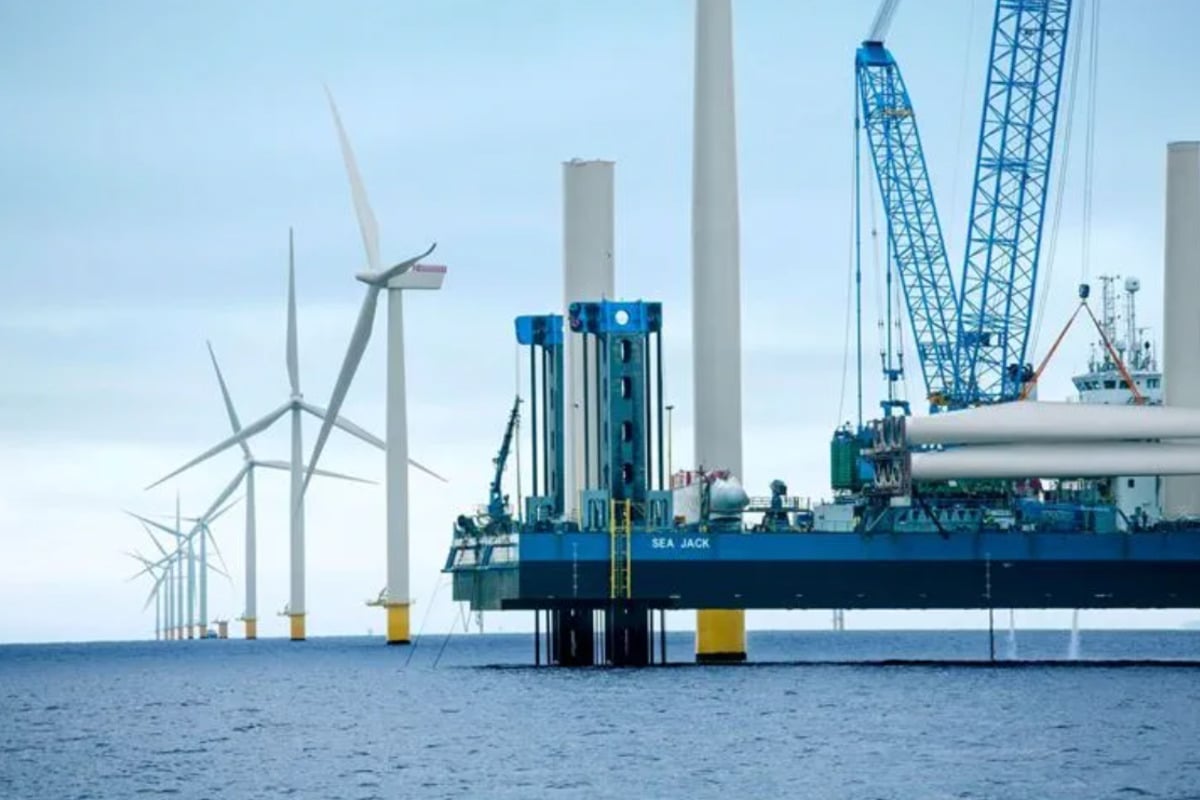
The U.S. Department of the Interior has announced a temporary halt to the deployment of offshore wind farms, citing emerging national security threats. This suspension affects several projects at various construction stages, including the significant Vineyard Wind 1 and Empire Wind 1. The government is now assessing whether these renewable energy initiatives can align with security requirements highlighted by the presence of technologically advanced adversaries.
In a decision that impacts the future of green energy initiatives in the region, projects such as Revolution Wind and CVOW – Commercial now face uncertainty. The Department of the Interior is collaborating with the Department of Defense and other agencies to address the identified security risks. Secretary of the Interior Doug Burgum underscored that the primary responsibility of the government is to safeguard American citizens, a position that echoes priorities established during the Trump administration.
The core issue at the center of this decision relates to the interference that offshore wind turbines could create with radar systems, as detailed in unclassified U.S. government reports. These reports indicate that the wind turbines generate radar “clutter,” which can obscure genuine moving targets and create false alarms. This interference poses a significant concern for defense agencies tasked with ensuring secure radar operations critical to national security.
While the Department of Energy acknowledged in a 2024 report that adjustments to false alarm thresholds could mitigate some radar disruptions, these changes carry risks. The danger remains that legitimate threats might go undetected in the process. The recent announcement reinforces the administration’s commitment to addressing these offshore project concerns while prioritizing military operational effectiveness.
This situation highlights a complex conflict between the expansion of renewable energy initiatives and the need to secure national interests. The current administration faces the challenge of balancing these two important sectors as they seek clarity on the future following this pause.
Future discussions between the government and project leaseholders will be critical in determining how renewable energy projects can coexist with national security mandates. These conversations will likely shape the landscape of American energy and defense policies in the coming years, as stakeholders work to find a resolution that satisfies both environmental goals and security requirements.

Oronoco Couple Dies in Fatal Minnesota Crash; Investigation Underway

BTS’s RM Shocks Fans with Marriage Thoughts During Live Chat

Top Movies of 2025 Revealed: Box Office Hits and Must-Sees!

Jake Tapper Urges Civility After Disturbing Incident at Governor’s Home

Discover Comfort at Cinnamon Indian Cuisine in Midland

CBS “60 Minutes” Segment on Deportation Censored by Editor-in-Chief

Top Innovations in Climate Tech Highlighted at 2025 Summit

Experience the Thrill of Driving the Porsche 718 Cayman GT4 RS

Tech Innovations Surge: Top 20 Gadgets of 2025 Revealed Now

University of Hawaiʻi at Mānoa Joins $25.6M AI Initiative for Disaster Monitoring

New Gel Offers Hope for Regrowing Tooth Enamel in Dentistry

ALMA Discovers Companion Orbiting Red Giant Star π 1 Gruis

Park Jung Min’s Endearing Moment with Hwasa Steals Show at Awards

IROS 2025 to Showcase Cutting-Edge Robotics Innovations in China

Stone Island’s Logo Worn by Extremists Sparks Brand Dilemma

Sampson County Celebrates Susie Faison’s 100th Birthday Milestone

Startup Liberate Bio Secures $31 Million for Next-Gen Therapies

Mary Morgan Jackson Crowned Little Miss National Peanut Festival 2025
-
Science2 months ago
University of Hawaiʻi at Mānoa Joins $25.6M AI Initiative for Disaster Monitoring
-
 Health2 months ago
New Gel Offers Hope for Regrowing Tooth Enamel in Dentistry
-
 Science1 month ago
ALMA Discovers Companion Orbiting Red Giant Star π 1 Gruis
-
 Lifestyle1 month ago
Park Jung Min’s Endearing Moment with Hwasa Steals Show at Awards
-
 Science2 months ago
IROS 2025 to Showcase Cutting-Edge Robotics Innovations in China
-
 Lifestyle2 months ago
Stone Island’s Logo Worn by Extremists Sparks Brand Dilemma
-
 Lifestyle2 months ago
Sampson County Celebrates Susie Faison’s 100th Birthday Milestone
-
 Health2 months ago
Startup Liberate Bio Secures $31 Million for Next-Gen Therapies
-
 Lifestyle2 months ago
Mary Morgan Jackson Crowned Little Miss National Peanut Festival 2025
-

 Health2 months ago
Top Hyaluronic Acid Serums for Radiant Skin in 2025
-

 Science2 months ago
Arizona State University Transforms Programming Education Approach
-

 Politics2 months ago
Judge Considers Dismissal of Chelsea Housing Case Citing AI Flaws