
Top Stories
BART Fares, Bridge Tolls Surge on New Year’s Day—Details Inside!

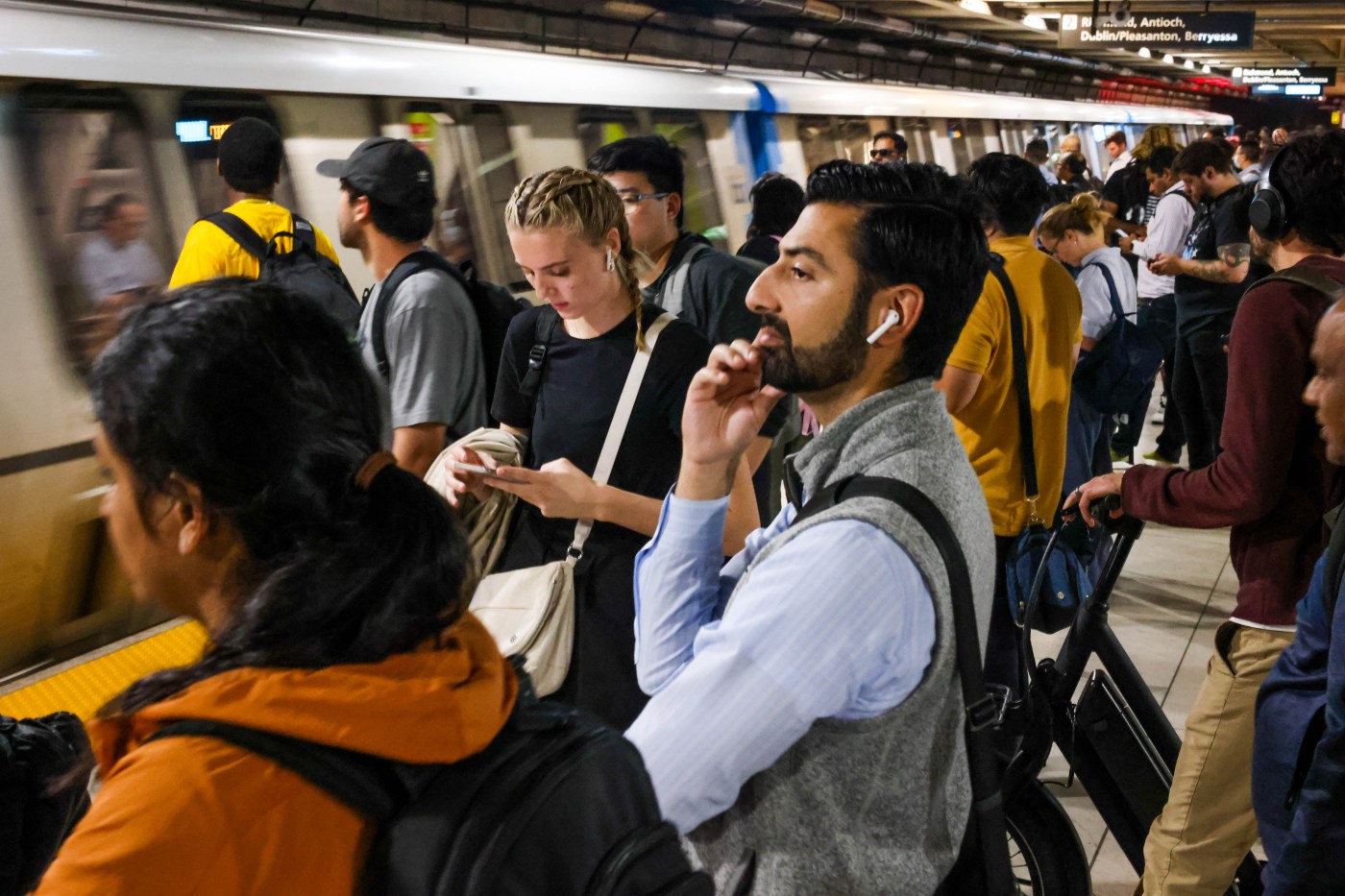
URGENT UPDATE: Bay Area commuters are facing a significant increase in transit costs as BART fares will rise by 6.2% starting January 1, 2024. This comes alongside a 50-cent toll hike on seven major state-owned bridges in the region, adding to the financial burden for daily travelers.
This fare increase comes as BART grapples with a projected $376 million deficit by 2027. As ridership continues to grow post-pandemic, BART has also dealt with multiple service disruptions throughout 2025, primarily due to aging infrastructure and power failures. The transit agency recorded over 51.7 million rides in the past year, peaking at over 5 million paid exits in October alone.
BART officials assert that these fare increases are essential to keep pace with inflation and maintain service amid a looming fiscal cliff. Average fares will climb from $4.88 to $5.18, with short trips seeing a 15-cent increase and longer journeys, such as from Antioch to Montgomery, rising by 55 cents. The toll hikes will affect the San Francisco-Oakland Bay, Antioch, Benicia-Martinez, Carquinez, Dumbarton, Richmond-San Rafael, and San Mateo-Hayward bridges, bringing standard two-axle vehicle tolls to $8.50.
Daily parking rates at most BART stations will rise by 40 cents, with high-demand areas like Glen Park and Walnut Creek increasing by 30%. Monthly rates will see hikes exceeding $30 at key hubs, although several lower-demand stations will benefit from decreases of over $11.
Mark Foley, BART Board President, emphasized the necessity of these adjustments, stating,
“As we ask the region for greater investments and support for BART while also making internal cuts to reduce costs, we also must ask our riders to contribute more towards their trips.”
To mitigate the financial crisis, BART plans to implement cost savings of $108 million next year. This includes reducing service levels, running shorter trains, and renegotiating union agreements to lower healthcare costs for retirees. Without these measures, BART warns of drastic service cutbacks, including reduced trip frequencies and potential station and line shutdowns, which could exacerbate traffic congestion and hinder state climate goals.
In October, California Governor Gavin Newsom signed Senate Bill 63, which allows a regional transit sales tax measure to be voted on in November 2026. If approved, it could generate approximately $1 billion annually for Bay Area transit agencies over the next 14 years, with BART expected to receive around $330 million by 2031.
As commuters brace for these increases, the toll hikes will also affect two-axle cars and trucks, now paying $8.50 instead of $8. Larger vehicles could see increases of up to $3.50, while carpools during peak hours will rise by 25 cents to $4.25.
For detailed information on the fare changes, parking rates, and tolls, visit the official BART and Bay Area FasTrak websites. As the New Year approaches, the urgency for commuters to adjust their budgets is clear. Stay tuned for more updates on this developing story.

Lenape Surges Past Trenton 57-56 in Thrilling Semifinal Clash

Waterbury Murder Arrest: Suspect Charged After Fatal Stabbing

MAGA Fans Erupt as Fox News Host Questions Viral Fraud Claims

Exploring the Strategic Roles of the 5 Smallest US Air Force Bases

Bay Area Commuters Face Fare Increases as BART Addresses Deficit

Netflix’s ‘Back in Action’ Surges to 160 Million Views Despite Criticism

11-Year-Old Jace Watkins Dies from Severe Flu Complications

Community Celebrates December Birthdays and New Year Together

Supreme Court Backs South Carolina in Planned Parenthood Case

University of Hawaiʻi at Mānoa Joins $25.6M AI Initiative for Disaster Monitoring

New Gel Offers Hope for Regrowing Tooth Enamel in Dentistry

ALMA Discovers Companion Orbiting Red Giant Star π 1 Gruis

Park Jung Min’s Endearing Moment with Hwasa Steals Show at Awards

IROS 2025 to Showcase Cutting-Edge Robotics Innovations in China

Stone Island’s Logo Worn by Extremists Sparks Brand Dilemma

Sampson County Celebrates Susie Faison’s 100th Birthday Milestone

Mary Morgan Jackson Crowned Little Miss National Peanut Festival 2025

Startup Liberate Bio Secures $31 Million for Next-Gen Therapies
-
Science2 months ago
University of Hawaiʻi at Mānoa Joins $25.6M AI Initiative for Disaster Monitoring
-
 Health2 months ago
New Gel Offers Hope for Regrowing Tooth Enamel in Dentistry
-
 Science2 months ago
ALMA Discovers Companion Orbiting Red Giant Star π 1 Gruis
-
 Lifestyle1 month ago
Park Jung Min’s Endearing Moment with Hwasa Steals Show at Awards
-
 Science3 months ago
IROS 2025 to Showcase Cutting-Edge Robotics Innovations in China
-
 Lifestyle3 months ago
Stone Island’s Logo Worn by Extremists Sparks Brand Dilemma
-
 Lifestyle2 months ago
Sampson County Celebrates Susie Faison’s 100th Birthday Milestone
-
 Lifestyle3 months ago
Mary Morgan Jackson Crowned Little Miss National Peanut Festival 2025
-
 Health3 months ago
Startup Liberate Bio Secures $31 Million for Next-Gen Therapies
-

 Health3 months ago
Top Hyaluronic Acid Serums for Radiant Skin in 2025
-

 Science3 months ago
Arizona State University Transforms Programming Education Approach
-
 Politics2 months ago
Judge Considers Dismissal of Chelsea Housing Case Citing AI Flaws