
Lifestyle
CASA Volunteers Make Impact on Vulnerable Children in Virginia

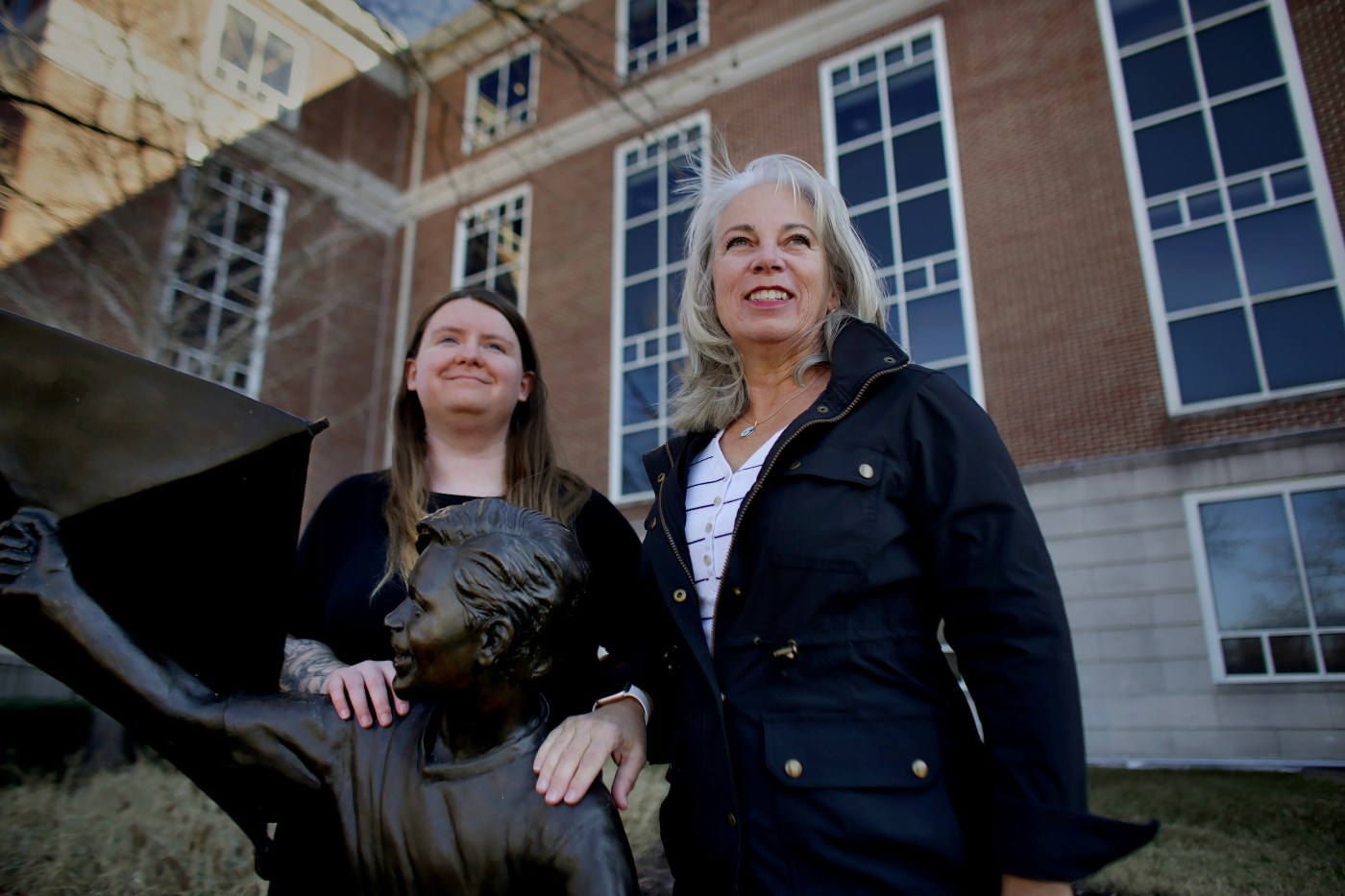
Across Virginia, a dedicated network of volunteers is working to protect vulnerable children caught in an overburdened system. With over 1,000 volunteers statewide, the Court Appointed Special Advocates (CASA) initiative is making a significant impact on the lives of children who have experienced abuse and neglect.
Theresa Orr, a retired Virginia Beach police captain, has devoted the past decade to advocating for children as a CASA volunteer. Although no longer a foster mother, she has directly influenced the lives of 30 children by providing consistent support. “You come into our house and you are a part of our family,” Orr stated. Each week, she visits her assigned child, compiles essential records, and interviews family members and friends to create comprehensive reports for the court. According to the Virginia Department of Criminal Justice Services, more than 3,400 children in the state have been assigned a CASA advocate this year alone.
Founded in 1977 by Judge David Soukup in Seattle, CASA was established to address the need for informed advocacy in juvenile court cases. The program expanded nationwide, reaching Virginia in 1985. By 1990, the Virginia General Assembly had passed legislation to ensure CASA’s presence in all local courts.
The commitment of CASA volunteers is profound. Each volunteer is responsible for only one child at a time, allowing them to dedicate their attention fully to that child’s needs. “The importance of having even one stable, consistent adult in a child’s life cannot be overstated,” said Roxie Hoven, executive director of Norfolk CASA. Stability, she explained, is crucial for developing self-worth and a sense of belonging.
Isiah Williams, a military police officer, has remained in contact with the five children he advocated for over a decade ago. He vividly recalls confronting their foster parents about abuse, demonstrating the courage and compassion required in this role. “I know when something is not right,” Williams noted, reflecting on the trauma he has witnessed both in his professional life and as a CASA volunteer.
Every week, CASA volunteers like Elizabeth Johnson, who began her first appointment in April, meet with children to provide a listening ear. Johnson, a 22-year-old graduate of Old Dominion University, engages with the teens she visits by discussing their interests, such as music and school life. “There are few opportunities for kids to just talk about themselves,” she mentioned. The insights gained from these meetings are essential for compiling court reports that inform judges about each child’s living conditions and family dynamics.
CASA volunteers conduct thorough assessments, documenting various aspects of a child’s situation, including their family’s access to resources like food and transportation. These reports can significantly influence court decisions, particularly when parents face challenges such as mental health issues or unemployment. “You can’t help everyone,” Johnson admitted, “but with each case, you can help a family.”
The emotional toll on volunteers is real, as illustrated by Gary Murphy, whose experience with a struggling parent resonated deeply with him. Murphy emphasized the need to prioritize the child’s best interests, even when it means recommending a placement in a new home. “Our mission is to advocate for the child’s best interests,” he stated, highlighting the sometimes difficult choices CASA volunteers face.
Currently, Norfolk CASA has 38 volunteers serving 67 children, but the demand remains high, with 45 children waiting for a CASA assignment in the local juvenile court system. To address this need, potential volunteers undergo more than 30 hours of training, covering topics such as juvenile court processes, child psychology, and court reporting.
As the CASA program continues to grow, the dedication of its volunteers remains a beacon of hope for many children facing adversity. Their commitment is not only about advocating for justice but also about nurturing the emotional well-being of the children they serve.

Robinhood Stock Surges 2.5% Today Amid Tech Market Recovery

Philadelphia’s Earth Month Kicks Off with Free Events in Parks

GSK’s Inhaler Decision Sparks Health Concerns for Children

Bradford’s Fish Fry Fridays Offer Community Spirit and Flavor

Speculation Rises on Shutdowns During Trump’s Potential Presidency

Samsung Galaxy Watch 9 to Feature Larger Battery, Report Reveals

Inventors Find New Purpose Through Unconventional Paths

UConn Huskies Aim for Back-to-Back Titles in 2026 NCAA Tournament

U.S. Mine Countermeasure Ships Dock in Malaysia for Logistics Stop

University of Hawaiʻi at Mānoa Joins $25.6M AI Initiative for Disaster Monitoring

$2.2 Million Boost for Cancer Research and Training in Hawaiʻi

ALMA Discovers Companion Orbiting Red Giant Star π 1 Gruis

Sacituzumab Govitecan Shows Promise for HR+/HER2− Breast Cancer

币安人生 Sees $15.92 Million in Trading Volume Amid Market Fluctuations

New Gel Offers Hope for Regrowing Tooth Enamel in Dentistry

CAVA Group Shares Surge 5.1% Amid Mixed Analyst Ratings

Christian Bale in Talks to Join Leonardo DiCaprio in Heat 2

Supreme Court to Review Birthright Citizenship for Children of Immigrants
-
Science9 months ago
University of Hawaiʻi at Mānoa Joins $25.6M AI Initiative for Disaster Monitoring
-
 Health7 months ago
$2.2 Million Boost for Cancer Research and Training in Hawaiʻi
-
 Science9 months ago
ALMA Discovers Companion Orbiting Red Giant Star π 1 Gruis
-
 Health7 months ago
Sacituzumab Govitecan Shows Promise for HR+/HER2− Breast Cancer
-
Politics5 months ago
币安人生 Sees $15.92 Million in Trading Volume Amid Market Fluctuations
-
 Health9 months ago
New Gel Offers Hope for Regrowing Tooth Enamel in Dentistry
-
 Business8 months ago
CAVA Group Shares Surge 5.1% Amid Mixed Analyst Ratings
-
 Entertainment9 months ago
Christian Bale in Talks to Join Leonardo DiCaprio in Heat 2
-
 Politics8 months ago
Supreme Court to Review Birthright Citizenship for Children of Immigrants
-

 Lifestyle9 months ago
Art Deco and Traditional Designs Set to Transform Homes in 2026
-

 Lifestyle8 months ago
Fernando Mendoza Secures Maxwell and O’Brien Awards Ahead of Heisman
-

 World8 months ago
Swiss Residents Reject 50% Inheritance Tax on Wealthy