
World
Avior Airlines Seeks Approval for Nonstop Flights to Miami

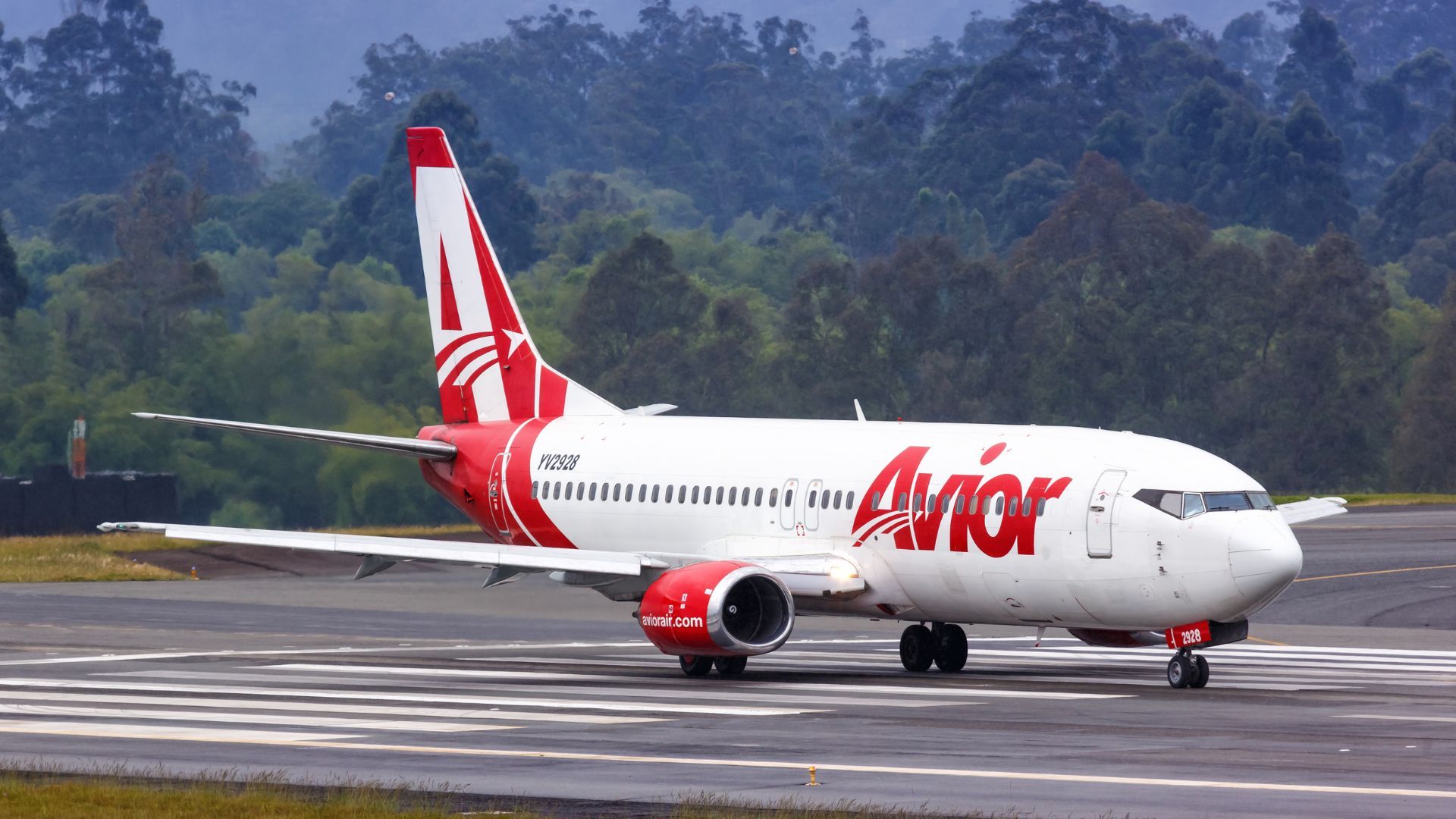
Venezuelan airline Avior Airlines has formally applied to the U.S. Department of Transportation for approval to operate nonstop flights from Venezuela to Miami. The planned routes include flights from Caracas, Maracaibo, and Barcelona, pending the Federal Aviation Administration (FAA) granting Category 1 status. This move follows a recent announcement by former President Donald Trump, who revoked a safety-based order on January 3, 2026, that had previously restricted air travel between the two countries.
Before the suspension of flights in 2019, routes between Venezuela and the United States supported over 600,000 round-trip passengers annually, with Miami serving as the primary gateway. Avior’s application indicates a renewed interest in restoring direct air links that were vital to South Florida’s economy and travel landscape.
Restoring Direct Connections
Miami International Airport (MIA) was a major hub for Venezuelan travelers, with multiple daily flights operated by both U.S. and Venezuelan airlines. The discontinuation of these routes forced travelers to reroute through regional hubs, such as Panama City, Santo Domingo, and Bogotá. This not only increased travel times significantly, by as much as five hours, but also led to higher fares. With the potential return of nonstop flights, MIA stands to reclaim its position as a dominant entry point for Venezuelan passengers.
Avior’s application is part of a broader trend among various airlines seeking to re-establish routes between the U.S. and Venezuela. Airlines are preparing to capture the demand for direct flights, which would likely lead to a significant reduction in travel times and lower fares across the region. Avior has stated it is prepared to restart U.S. services “upon receipt of all necessary regulatory and safety approvals.”
Impact on Regional Hubs
The resumption of nonstop flights could have significant implications for Caribbean and Central American transit hubs that have benefited from the absence of direct services. Airlines such as Copa Airlines have developed a substantial volume of traffic geared towards Venezuelan connections, with many passengers opting for flights that were indirectly routed. The return of direct flights could force these carriers to adjust their capacity and frequency on certain routes.
In addition to passenger traffic, cargo transport will also see a notable shift. Prior to the flight ban, Venezuela-U.S. air routes facilitated the movement of substantial freight, including perishables and pharmaceuticals. Direct flights can significantly reduce transit times and handling costs, making them particularly appealing for urgent shipments.
As the U.S. market reopens, Venezuela’s international air connections are also being revitalized. Recent months have seen several airlines reactivate suspended services and introduce new routes, such as GOL resuming flights from São Paulo to Caracas and the Dominican Republic restarting its services. This regional connectivity highlights a strengthening of operational conditions, supporting the case for the reinstatement of sustainable long-haul flights.
In summary, if Avior Airlines and other carriers receive the necessary regulatory approvals, the passenger volumes on U.S.-Venezuela routes could recover or even exceed pre-2019 levels. Miami is likely to regain its status as the primary gateway, reshaping the dynamics of regional aviation and impacting Caribbean hubs that have relied on indirect routing.
The potential return of direct flights represents more than just a restoration of service; it signals a significant realignment in air travel across the hemisphere. For Miami, this development provides an opportunity to recover lost traffic and revenue, while Caribbean transit hubs may need to adapt to a new competitive landscape.

Lehigh Valley Motorcycle Expo Thrills Attendees with Races and Vendors

Toheeb Jimoh Discusses His Role in ‘Industry’ Season Four

Ocasio-Cortez Endorses Hochul for Reelection, Shifts Political Strategy

Massachusetts Mother Sues Tesla After Son Dies in Car Fire

Bad Bunny Set to Make Super Bowl LX History with Halftime Show

Researchers Discover Method to Resensitize Chemo-Resistant Cancer Cells

GUESS JEANS Unveils Sustainable Flagship Store in Los Angeles

Minnesota DOC Disputes DHS Claims on ICE Detainers with New Data

Researchers Innovate Greener Amide Synthesis for Drug Production

University of Hawaiʻi at Mānoa Joins $25.6M AI Initiative for Disaster Monitoring

ALMA Discovers Companion Orbiting Red Giant Star π 1 Gruis

New Gel Offers Hope for Regrowing Tooth Enamel in Dentistry

$2.2 Million Boost for Cancer Research and Training in Hawaiʻi

Park Jung Min’s Endearing Moment with Hwasa Steals Show at Awards

Sacituzumab Govitecan Shows Promise for HR+/HER2− Breast Cancer

Sampson County Celebrates Susie Faison’s 100th Birthday Milestone

IROS 2025 to Showcase Cutting-Edge Robotics Innovations in China

Interstellar Comet 3I/ATLAS Approaches Sun, No Threat to Earth
-
Science3 months ago
University of Hawaiʻi at Mānoa Joins $25.6M AI Initiative for Disaster Monitoring
-
 Science3 months ago
ALMA Discovers Companion Orbiting Red Giant Star π 1 Gruis
-
 Health3 months ago
New Gel Offers Hope for Regrowing Tooth Enamel in Dentistry
-
 Health2 months ago
$2.2 Million Boost for Cancer Research and Training in Hawaiʻi
-
 Lifestyle3 months ago
Park Jung Min’s Endearing Moment with Hwasa Steals Show at Awards
-
 Health1 month ago
Sacituzumab Govitecan Shows Promise for HR+/HER2− Breast Cancer
-
 Lifestyle3 months ago
Sampson County Celebrates Susie Faison’s 100th Birthday Milestone
-
 Science4 months ago
IROS 2025 to Showcase Cutting-Edge Robotics Innovations in China
-
 Science3 months ago
Interstellar Comet 3I/ATLAS Approaches Sun, No Threat to Earth
-

 Lifestyle4 months ago
Stone Island’s Logo Worn by Extremists Sparks Brand Dilemma
-

 Lifestyle4 months ago
Mary Morgan Jackson Crowned Little Miss National Peanut Festival 2025
-

 Health4 months ago
Startup Liberate Bio Secures $31 Million for Next-Gen Therapies