
World
Chinese Official Sparks Controversy Over Speech Regulations

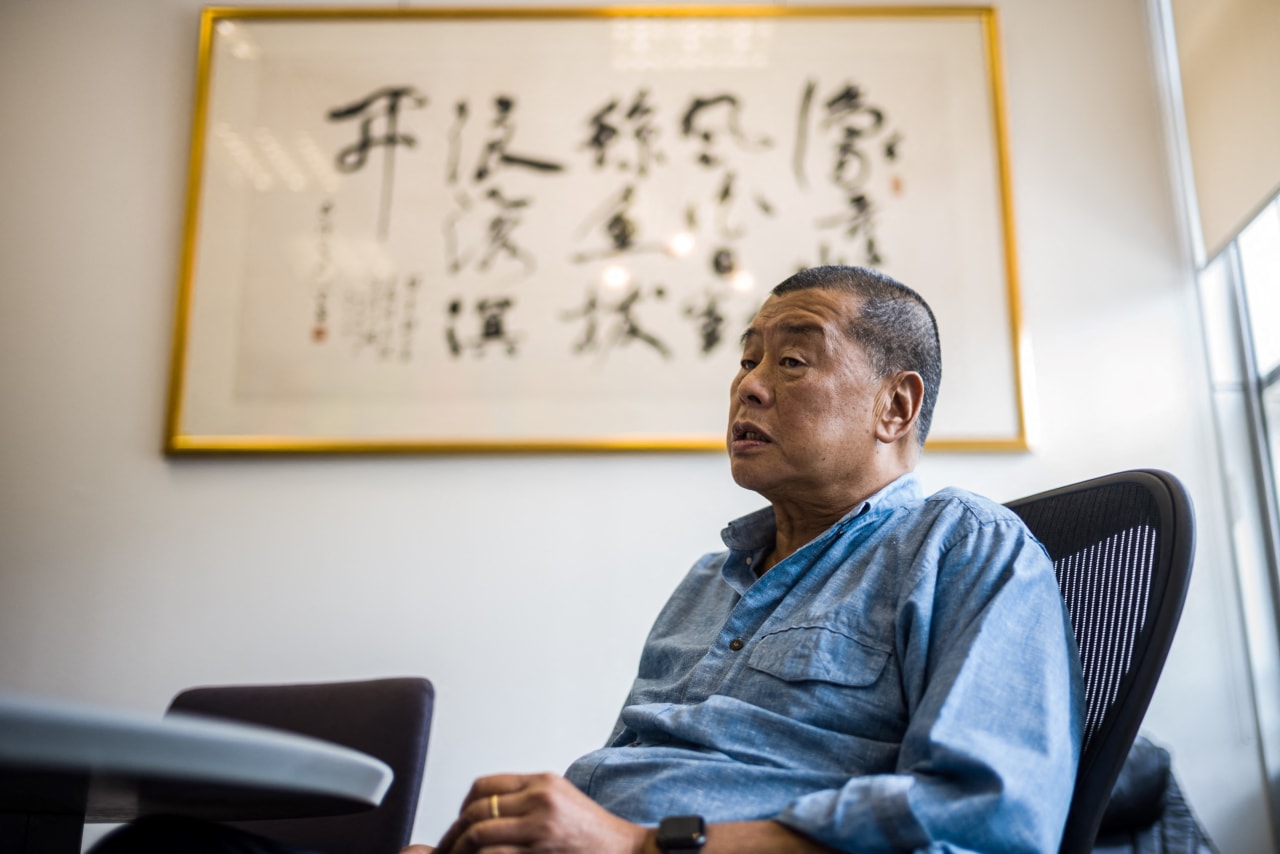
A recent statement by Zhao Lijian, a spokesperson for the Chinese Foreign Ministry, has ignited controversy regarding free speech in Hong Kong. During a press briefing on September 12, 2023, Zhao appeared to suggest that the government has the authority to regulate speech, a comment that has drawn criticism from various human rights organizations.
Zhao’s remarks were made in the context of a discussion surrounding a new report by Article 19, a global campaign for freedom of expression. The report highlighted increasing restrictions on free speech in Hong Kong since the implementation of the National Security Law in 2020. Zhao dismissed these concerns, asserting that the Chinese government prioritizes social stability and national security, which he claims justifies the regulation of speech.
The implications of Zhao’s statement are profound, as they signal a tightening grip on public discourse in a region known for its historical commitment to free expression. Activists and legal experts fear that such comments may set a precedent for further crackdowns on dissent, particularly as the Chinese government intensifies its efforts to control narratives that diverge from its official stance.
Responses from Human Rights Advocates
Human rights advocates have swiftly condemned Zhao’s statement. According to experts from Human Rights Watch, the comments reflect a broader trend of censorship in Hong Kong, where the space for political dissent has significantly shrunk. The organization emphasized that any attempt to regulate speech undermines the fundamental principles of democracy and human rights.
Further, the United Nations has expressed concern over the erosion of freedoms in Hong Kong. In a statement released shortly after Zhao’s remarks, a UN spokesperson reiterated that freedom of expression is a universal right and should not be subjected to arbitrary restrictions.
As the international community closely monitors developments in Hong Kong, Zhao’s comments could further strain relations between China and Western nations, many of which have criticized Beijing’s handling of dissent. The ongoing geopolitical tensions are compounded by the growing perception that China is suppressing fundamental human rights in favor of state control.
The Bigger Picture
The situation in Hong Kong exemplifies the challenges faced by civil society in the region. The implementation of the National Security Law has not only led to arrests of activists but has also created a chilling effect on free speech across various platforms. Zhao’s remarks underscore the delicate balance between national security and individual rights, a debate that continues to resonate globally.
As the situation unfolds, the international community may need to reassess its approach to engaging with China, particularly concerning human rights issues. The ability to speak freely without fear of retribution is a cornerstone of democratic societies, and Zhao’s comments raise important questions about the future of speech in Hong Kong and beyond.
In summary, Zhao Lijian’s recent statement serves as a critical reminder of the ongoing struggle for free expression in Hong Kong, a matter that will likely remain at the forefront of international discourse in the coming months.

14-Year-Old Founder’s Y Combinator Application Goes Viral

One in Six Adults Have Relationship ‘Backup Person’ Revealed

Food Safety Experts Urge: Avoid These 5 Foods When Dining Out

Scientists Unravel Mystery Behind Blinding Blue Flashes in Space

Steelers Face Browns in Crucial AFC North Showdown Today

Black Ice Causes Nationwide Accidents and Overcrowded ERs in Germany

Atlas Copco Sees 70% Jump in Short Interest, Analysts React

Malachi Barton Rises to Fame as 2025’s Most Searched Actor

Revamp Your Fitness Wardrobe with Stylish Essentials for 2026

University of Hawaiʻi at Mānoa Joins $25.6M AI Initiative for Disaster Monitoring

New Gel Offers Hope for Regrowing Tooth Enamel in Dentistry

ALMA Discovers Companion Orbiting Red Giant Star π 1 Gruis

Park Jung Min’s Endearing Moment with Hwasa Steals Show at Awards

IROS 2025 to Showcase Cutting-Edge Robotics Innovations in China

Stone Island’s Logo Worn by Extremists Sparks Brand Dilemma

Sampson County Celebrates Susie Faison’s 100th Birthday Milestone

Mary Morgan Jackson Crowned Little Miss National Peanut Festival 2025

Startup Liberate Bio Secures $31 Million for Next-Gen Therapies
-
Science2 months ago
University of Hawaiʻi at Mānoa Joins $25.6M AI Initiative for Disaster Monitoring
-
 Health2 months ago
New Gel Offers Hope for Regrowing Tooth Enamel in Dentistry
-
 Science1 month ago
ALMA Discovers Companion Orbiting Red Giant Star π 1 Gruis
-
 Lifestyle1 month ago
Park Jung Min’s Endearing Moment with Hwasa Steals Show at Awards
-
 Science2 months ago
IROS 2025 to Showcase Cutting-Edge Robotics Innovations in China
-
 Lifestyle2 months ago
Stone Island’s Logo Worn by Extremists Sparks Brand Dilemma
-
 Lifestyle2 months ago
Sampson County Celebrates Susie Faison’s 100th Birthday Milestone
-
 Lifestyle2 months ago
Mary Morgan Jackson Crowned Little Miss National Peanut Festival 2025
-
 Health2 months ago
Startup Liberate Bio Secures $31 Million for Next-Gen Therapies
-

 Health2 months ago
Top Hyaluronic Acid Serums for Radiant Skin in 2025
-

 Science2 months ago
Arizona State University Transforms Programming Education Approach
-
 Politics2 months ago
Judge Considers Dismissal of Chelsea Housing Case Citing AI Flaws