
Science
Scientists Unveil 26 New Bacterial Species in NASA Cleanrooms

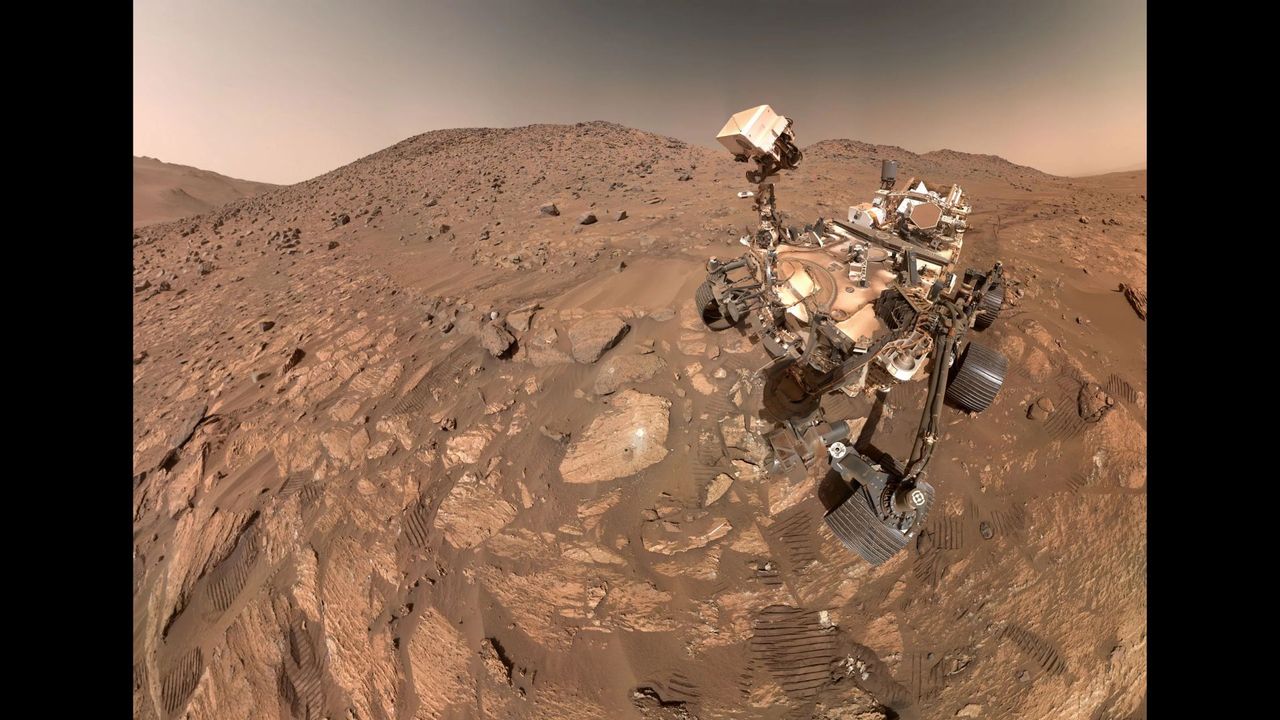
Scientists have discovered **26 new bacterial species** within the cleanrooms of NASA’s Kennedy Space Center, revealing unexpected resilience among microbes in one of the world’s most sterile environments. This finding underscores the challenges of preventing microbial contamination as humanity prepares for deeper exploration of other planets, including Mars.
The cleanrooms at NASA are designed to be exceptionally sterile. They employ advanced filtration systems, strict humidity control, and rigorous cleaning protocols to eliminate potential contaminants. Despite these precautions, researchers have found that life can persist even in the harshest conditions. According to a study published in May 2023 in the journal **Microbiome**, these microbes possess unique genetic adaptations that enable them to thrive in an environment typically hostile to microbial life.
Alexandre Rosado, a professor of Bioscience at the **King Abdullah University of Science and Technology** in Saudi Arabia and a co-author of the study, described the discovery as a moment that prompted scientists to “stop and re-check everything.” He emphasized the significance of identifying these hardy organisms, as any microbe capable of evading standard cleanroom controls could also bypass planetary protection measures designed to prevent contamination of extraterrestrial environments.
The **Kennedy Space Center** cleanrooms have long been the site of careful assembly for missions, including the **Phoenix Mars Lander**, which was prepared there in **2007**. During the assembly process, researchers collected and preserved **215 bacterial strains** from various locations within the cleanroom. These samples were taken before, during, and after the spacecraft’s assembly and testing phases.
As technology has advanced over the past 17 years, scientists can now sequence nearly every gene carried by these microbes. This has allowed for a deeper understanding of how often and for how long different bacteria appear in cleanroom environments. Rosado noted that this capability was not available during the initial stages of the **Phoenix** mission.
The recent analysis revealed various survival strategies employed by the newly identified species. Many carry genes that confer resistance to cleaning chemicals, facilitate the formation of biofilms, repair radiation-damaged DNA, and produce dormant spores. These adaptations enable them to survive in the less accessible areas of cleanrooms, making them valuable for testing decontamination protocols used by space agencies.
To further investigate the potential for these microbes to survive space travel, researchers are constructing a **planetary simulation chamber** at the King Abdullah University of Science and Technology. This facility, currently in its final assembly phase, aims to replicate conditions similar to those found on Mars, including low atmospheric pressure, high radiation levels, and extreme temperature fluctuations. Pilot experiments are anticipated to begin in early **2026**.
Rosado explained that these controlled environments will allow scientists to study how microbes adapt and endure under conditions analogous to those experienced during space travel and on the Martian surface. Understanding these survival mechanisms is crucial not only for planetary protection but also for advancements in biotechnology and astrobiology.
Despite the advanced measures taken to maintain cleanliness, Rosado emphasized that “cleanrooms don’t contain ‘no life.'” The presence of these bacteria, albeit rare, highlights the ongoing challenges faced by researchers aiming to protect other worlds from Earth organisms.
In light of these findings, the next steps for researchers include coordinated long-term sampling across multiple cleanrooms. By employing standardized methods and conducting controlled experiments, scientists hope to gain further insights into which microbial traits are most significant for planetary protection.
The discoveries made in NASA’s cleanrooms not only enhance our understanding of microbial resilience but also carry profound implications for future space exploration efforts, underscoring the need for continued vigilance in preserving extraterrestrial ecosystems.

Walmart Launches Urgent Program to Address Skilled Labor Shortage

Make-Up Artists Guild Unveils 2026 Awards Nominations – Urgent Update!

Urgent Discovery: Vermont Moths Caught Drinking Moose Tears

CASA Volunteers Make Impact on Vulnerable Children in Virginia

MS NOW Hosts Amused by Trump’s Comments on Putin and Ukraine

Researchers Reveal Calcium’s Role in Protein Quality Control

Nikola Jovic Energizes Miami Heat with Dynamic Returns

Philadelphia Sets Holiday Trash Schedule and Tree Recycling Dates

AMD’s 2026 Challenge: Capitalizing on AI Gains and Growth

University of Hawaiʻi at Mānoa Joins $25.6M AI Initiative for Disaster Monitoring

New Gel Offers Hope for Regrowing Tooth Enamel in Dentistry

ALMA Discovers Companion Orbiting Red Giant Star π 1 Gruis

Park Jung Min’s Endearing Moment with Hwasa Steals Show at Awards

IROS 2025 to Showcase Cutting-Edge Robotics Innovations in China

Stone Island’s Logo Worn by Extremists Sparks Brand Dilemma

Sampson County Celebrates Susie Faison’s 100th Birthday Milestone

Startup Liberate Bio Secures $31 Million for Next-Gen Therapies

Mary Morgan Jackson Crowned Little Miss National Peanut Festival 2025
-
Science2 months ago
University of Hawaiʻi at Mānoa Joins $25.6M AI Initiative for Disaster Monitoring
-
 Health2 months ago
New Gel Offers Hope for Regrowing Tooth Enamel in Dentistry
-
 Science2 months ago
ALMA Discovers Companion Orbiting Red Giant Star π 1 Gruis
-
 Lifestyle1 month ago
Park Jung Min’s Endearing Moment with Hwasa Steals Show at Awards
-
 Science3 months ago
IROS 2025 to Showcase Cutting-Edge Robotics Innovations in China
-
 Lifestyle3 months ago
Stone Island’s Logo Worn by Extremists Sparks Brand Dilemma
-
 Lifestyle2 months ago
Sampson County Celebrates Susie Faison’s 100th Birthday Milestone
-
 Health3 months ago
Startup Liberate Bio Secures $31 Million for Next-Gen Therapies
-
 Lifestyle3 months ago
Mary Morgan Jackson Crowned Little Miss National Peanut Festival 2025
-

 Health3 months ago
Top Hyaluronic Acid Serums for Radiant Skin in 2025
-
 Science3 months ago
Arizona State University Transforms Programming Education Approach
-

 Politics2 months ago
Judge Considers Dismissal of Chelsea Housing Case Citing AI Flaws