
Science
Neuralink Plans Automated Surgery and Mass Production for 2026

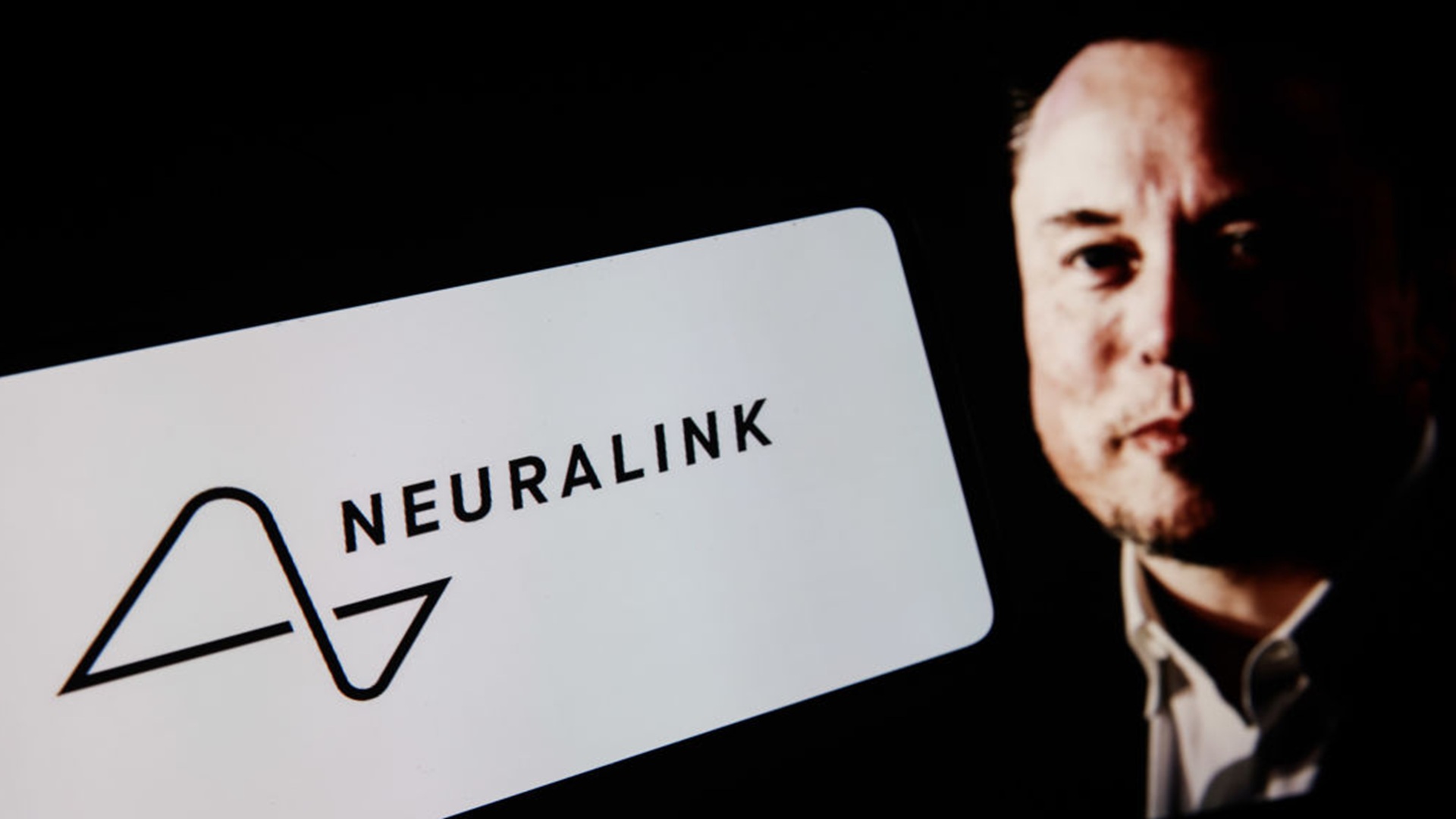
Elon Musk has announced that his brain implant company, Neuralink, will initiate “high-volume production” of its brain-computer interface devices and will shift to an entirely automated surgical procedure by 2026. This information was shared through a post on the social media platform X on Wednesday. The devices, designed to assist individuals with conditions such as spinal cord injuries, enable direct interaction with computers.
The company’s first patient has already showcased significant capabilities, including playing video games, browsing the internet, posting on social media, and moving a cursor on a laptop using the implant. Neuralink commenced human trials for its brain implant in 2024 after addressing safety concerns raised by the U.S. Food and Drug Administration (FDA), which had initially rejected the application in 2022.
Neuralink’s Future Developments
Neuralink is on the verge of a significant operational scale-up. In September, the company announced that twelve individuals worldwide with severe paralysis had received implants, allowing them to control digital and physical tools through thought alone. The upcoming automated surgical procedure will streamline the implantation process, with device threads being inserted through the dura without the need for its removal.
In addition to its production plans, Neuralink secured $650 million in a funding round in June. This financial boost is part of a broader strategy by Musk, who envisions 2026 as a transformative year across his various companies. These projects encompass advancements in space exploration, artificial intelligence, transportation, and cognitive technology.
SpaceX is also gearing up for 2026, preparing to launch its first Starship V3 spacecraft, featuring the new Raptor V3 engine. This upgraded vehicle is expected to conduct propellant transfer tests in orbit, a capability that could support future missions to the Moon or Mars. Moreover, SpaceX plans to deploy Starlink V3 satellites to enhance internet connectivity and performance.
Broader Innovations Across Musk’s Ventures
Neuralink is not the only initiative poised for major developments. The company is set to begin trials for its Blindsight implant in 2026, which aims to restore vision for individuals who are completely blind. This brain-computer interface utilizes ultra-fine threads to stimulate the visual cortex, creating perceptions of light and shapes.
In the realm of urban transportation, Musk’s Boring Company is preparing to unveil the first section of its Nashville Loop in spring 2026. This underground electric vehicle transit system aims to connect downtown Nashville, the Convention Center, and Nashville International Airport in approximately eight minutes, providing a zero-emission alternative that seeks to alleviate surface traffic congestion.
Meanwhile, Tesla is expected to ramp up production significantly in 2026, beginning with the Cybercab in April and mass-producing the Tesla Semi and Optimus Gen 3 humanoid robots. The company also intends to launch an unsupervised mode for its Full Self-Driving technology and expand its energy storage capabilities with the Megapack 3 and Megablock systems.
In the field of artificial intelligence, Musk’s startup xAI is expanding its Colossus supercomputer cluster in Memphis, Tennessee. The company has recently acquired a third building to enhance its training capacity, aiming for nearly two gigawatts.
Additionally, the social media platform X, owned by Musk, is contemplating increasing creator payouts, potentially surpassing YouTube, as part of a strategy to retain original content.
These initiatives underline Musk’s ambition to advance multiple technology fronts simultaneously, positioning 2026 as a pivotal year for his diverse ventures.

U.S. Postal Service Changes Spark Urgent Concerns Over Mail Reliability

Richard A. Weiherer Passes Away: Community Mourns Loss

Schaumburg Family Fights Urgently for Access to Medical Marijuana

Dallas City Council Urgently Debates New Winter Shelter Plan

Lamar Jackson Responds to Critics Ahead of Crucial Steelers Clash

New Express Lanes Open on US 183, Tolls Increase Starting Today

Experts Urge Realistic Goals for New Year’s Resolutions Now

Urgent Update: Immigrants Face Health Care Gamble in California

ACA Subsidies Expire; Insurance Premiums Set to Surge 26%

University of Hawaiʻi at Mānoa Joins $25.6M AI Initiative for Disaster Monitoring

New Gel Offers Hope for Regrowing Tooth Enamel in Dentistry

ALMA Discovers Companion Orbiting Red Giant Star π 1 Gruis

Park Jung Min’s Endearing Moment with Hwasa Steals Show at Awards

IROS 2025 to Showcase Cutting-Edge Robotics Innovations in China

Stone Island’s Logo Worn by Extremists Sparks Brand Dilemma

Sampson County Celebrates Susie Faison’s 100th Birthday Milestone

Startup Liberate Bio Secures $31 Million for Next-Gen Therapies

Mary Morgan Jackson Crowned Little Miss National Peanut Festival 2025
-
Science2 months ago
University of Hawaiʻi at Mānoa Joins $25.6M AI Initiative for Disaster Monitoring
-
 Health2 months ago
New Gel Offers Hope for Regrowing Tooth Enamel in Dentistry
-
 Science2 months ago
ALMA Discovers Companion Orbiting Red Giant Star π 1 Gruis
-
 Lifestyle1 month ago
Park Jung Min’s Endearing Moment with Hwasa Steals Show at Awards
-
 Science3 months ago
IROS 2025 to Showcase Cutting-Edge Robotics Innovations in China
-
 Lifestyle3 months ago
Stone Island’s Logo Worn by Extremists Sparks Brand Dilemma
-
 Lifestyle2 months ago
Sampson County Celebrates Susie Faison’s 100th Birthday Milestone
-
 Health3 months ago
Startup Liberate Bio Secures $31 Million for Next-Gen Therapies
-
 Lifestyle3 months ago
Mary Morgan Jackson Crowned Little Miss National Peanut Festival 2025
-

 Science3 months ago
Arizona State University Transforms Programming Education Approach
-

 Science2 months ago
Interstellar Comet 3I/ATLAS Approaches Sun, No Threat to Earth
-

 Health3 months ago
Top Hyaluronic Acid Serums for Radiant Skin in 2025