
World
New York Approves $1 Billion Undersea Pipeline to Power Homes

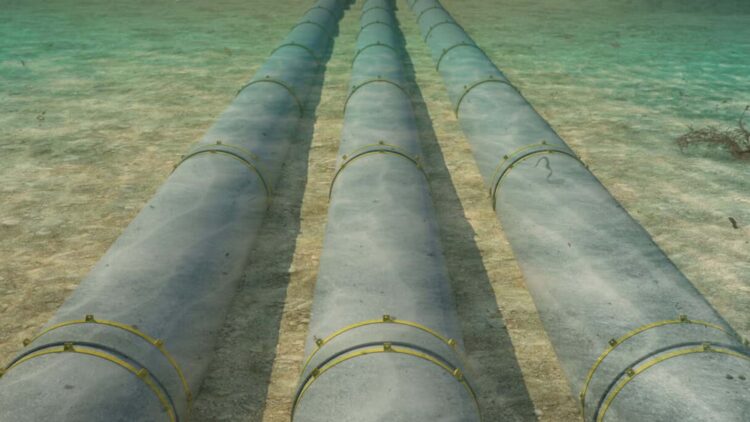
New York has officially approved a significant energy initiative, the Northeast Supply Enhancement (NESE) project, which involves a $1 billion undersea pipeline designed to power approximately 2.3 million homes. This 37-mile pipeline will transport natural gas from Pennsylvania to New Jersey, addressing the energy demands of the region, particularly during peak winter months.
Supporters of the NESE project argue that it will not only ensure a stable energy supply but also generate an estimated $1.8 billion in revenue. They anticipate that the construction phase will create numerous jobs in the construction and energy sectors, providing an economic boost at a time when energy costs are on the rise. Proponents believe that the pipeline could stabilize or even reduce energy prices, thereby making it more affordable for families struggling with increasing costs.
Controversy Surrounds Energy Project
Opposition to the NESE project has emerged, with critics expressing concerns about its reliance on fossil fuels. State Senator Liz Krueger has been particularly vocal, referring to the approval as a “perverse” decision and labeling the pipeline an “environmental nightmare.” Many opponents argue that investing in a natural gas pipeline contradicts New York’s climate goals, particularly as the state seeks to transition to renewable energy sources.
The NESE project has faced significant hurdles in the past, having been rejected three times before this latest approval. Critics view this decision as a regression, undermining years of progress toward cleaner energy initiatives. They argue that the construction of a new fossil fuel pipeline sends the wrong message at a time when the urgency of addressing climate change is paramount.
Balancing Energy Needs and Environmental Goals
The NESE project highlights a complex dilemma faced by many regions: how to balance immediate energy needs with long-term sustainability goals. Energy is essential for powering hospitals, schools, and homes, and fluctuations in supply can have immediate repercussions on daily life.
Ultimately, the debate surrounding this $1 billion investment hinges on differing priorities. Supporters advocate for the immediate benefits of enhanced energy reliability and lower costs, while opponents emphasize the importance of prioritizing long-term climate objectives and transitioning to renewable energy.
While the NESE project may serve as a temporary solution, it raises questions about the future direction of energy policy in New York. Advocates argue that with proper environmental safeguards and a commitment to expanding clean energy, the pipeline could provide a necessary bridge as society continues to adapt to changing energy landscapes.

South Korea Takes Urgent Action to Stabilize FX Market

Marjorie Taylor Greene Resigns: Urgent Warning for Republicans

Ocean Spray Investigates Viral Claims of Water-Filled Cans

Scientists Investigate Potential Exomoon Around HD 206893 B

Razorbacks Suffer Setback Against Duke, Prepare for Louisville Clash

Swiss Residents Reject 50% Inheritance Tax on Wealthy

Texas Firm Fights California Over Offshore Oil Production Restart

Alexander Skarsgård Celebrates British Independent Film Awards 2025

Republicans Face Urgent Deadline on Affordable Care Act Subsidies

University of Hawaiʻi at Mānoa Joins $25.6M AI Initiative for Disaster Monitoring

IROS 2025 to Showcase Cutting-Edge Robotics Innovations in China

ALMA Discovers Companion Orbiting Red Giant Star π 1 Gruis

Stone Island’s Logo Worn by Extremists Sparks Brand Dilemma

Startup Liberate Bio Secures $31 Million for Next-Gen Therapies

Bravo Company Veterans Honored with Bronze Medals After 56 Years

Mary Morgan Jackson Crowned Little Miss National Peanut Festival 2025

Judge Considers Dismissal of Chelsea Housing Case Citing AI Flaws

Top Hyaluronic Acid Serums for Radiant Skin in 2025
-
Science4 weeks ago
University of Hawaiʻi at Mānoa Joins $25.6M AI Initiative for Disaster Monitoring
-
 Science2 months ago
IROS 2025 to Showcase Cutting-Edge Robotics Innovations in China
-
 Science2 weeks ago
ALMA Discovers Companion Orbiting Red Giant Star π 1 Gruis
-
 Lifestyle2 months ago
Stone Island’s Logo Worn by Extremists Sparks Brand Dilemma
-
 Health2 months ago
Startup Liberate Bio Secures $31 Million for Next-Gen Therapies
-
 World2 months ago
Bravo Company Veterans Honored with Bronze Medals After 56 Years
-
 Lifestyle2 months ago
Mary Morgan Jackson Crowned Little Miss National Peanut Festival 2025
-
 Politics2 months ago
Judge Considers Dismissal of Chelsea Housing Case Citing AI Flaws
-
 Health2 months ago
Top Hyaluronic Acid Serums for Radiant Skin in 2025
-

 Sports2 months ago
Yamamoto’s Mastery Leads Dodgers to 5-1 Victory in NLCS Game 2
-

 Science2 months ago
Arizona State University Transforms Programming Education Approach
-

 Sports2 months ago
Mel Kiper Jr. Reveals Top 25 Prospects for 2026 NFL Draft