
Health
Health Organizations Urge CDC to Reassess Vaccine-Autism Claims

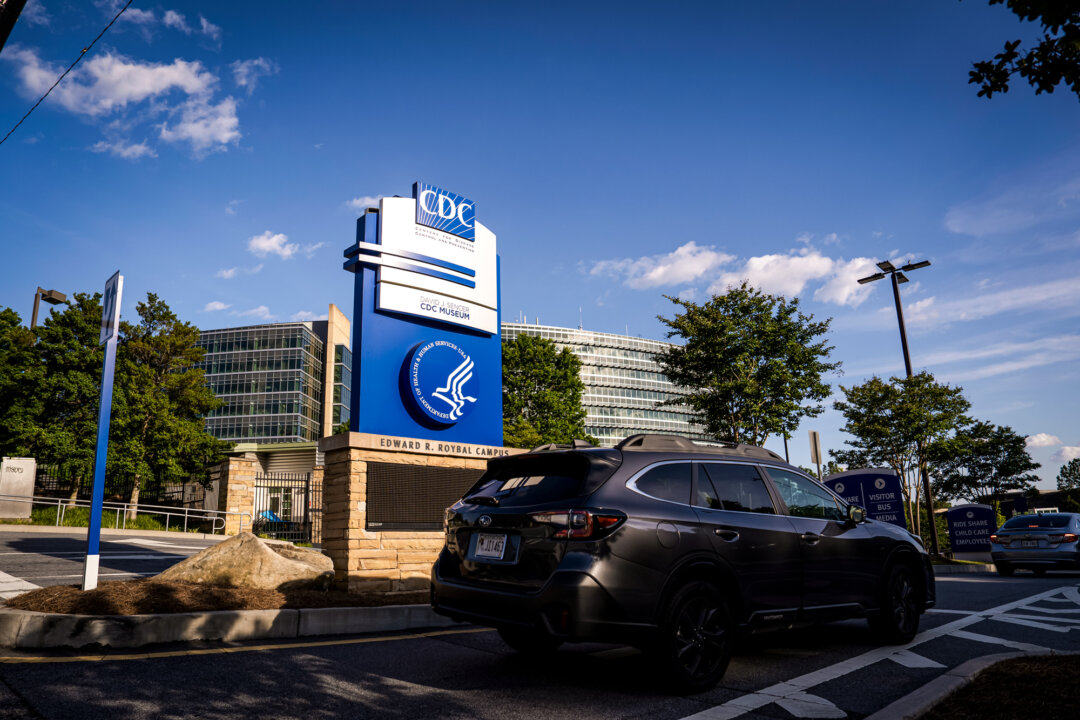
The American Academy of Pediatrics and 45 organizations have called on the Centers for Disease Control and Prevention (CDC) to reconsider its recent update regarding the potential link between vaccines and autism. In a joint statement released on November 20, 2023, these groups expressed significant concern over the CDC’s promotion of what they describe as an outdated and disproven theory.
In the statement, representatives from various organizations, including medical professionals and public health workers, emphasized the importance of accurate information. “Our organizations, representing autistic individuals, their families, medical professionals, and public health workers, are alarmed that the CDC is promoting the outdated, disproven idea that vaccines cause autism,” they said.
The CDC’s recent update on its website suggested that vaccines may be linked to autism and indicated that officials are investigating this possible connection. This has led to widespread concern among health professionals who have dedicated over 25 years to researching this issue. They assert that numerous studies conducted globally have consistently found no evidence supporting a link between vaccines and autism.
Organizations Demand Clarity and Accuracy
The coalition of groups, which includes notable organizations such as the National Autism Association and the American Public Health Association, is advocating for the CDC to retract its statement. They argue that promoting the idea of a vaccine-autism connection could undermine public trust in vaccinations, which are critical for controlling infectious diseases.
The statement highlights the potential consequences of misinformation, particularly in a time where vaccine hesitancy has become prevalent in many communities. “It is crucial that we provide families with evidence-based information so they can make informed decisions about their children’s health,” the organizations stressed.
Medical experts have repeatedly voiced their disapproval of the vaccine-autism narrative, emphasizing that it detracts from the actual scientific consensus. The overwhelming majority of research indicates that vaccines are safe and effective, and do not cause autism.
Calls for Evidence-Based Public Health Policies
In light of the CDC’s initial update, the organizations are urging the agency to adhere to evidence-based guidelines in its communications. They argue that public health policies should reflect the best available scientific evidence to ensure the health and safety of all individuals, particularly vulnerable populations such as children.
As the debate continues, the CDC’s response to this coalition’s request remains to be seen. The health agency has historically relied on scientific studies to inform its guidelines and public health recommendations. Critics argue that any ambiguity in messaging can have significant implications for vaccination rates and public health outcomes.
The ongoing discussion surrounding vaccines and autism highlights the need for clear, accurate, and compassionate communication from health authorities. As families navigate the complexities of vaccination decisions, the emphasis on scientific integrity remains paramount.

Church Members Rally Together After Thanksgiving Day Fire

Trump Promises to Release MRI Results from October Scan

U.S. Investors Boost Canadian Oil Firms Despite Falling Prices

Nick Jonas Unveils Solo Album Title and Release Date at Las Vegas Brunch

Researchers Call for Low-Alcohol Drink Label Changes for Pregnant Women

Community Aims for Record in World’s Largest Christmas Cookie Exchange

Mayor Appoints Alan Wong to District 4 Supervisor Position

Mayor Names Alan Wong as New District 4 Supervisor Amid Controversy

South Korea Takes Urgent Action to Stabilize FX Market

University of Hawaiʻi at Mānoa Joins $25.6M AI Initiative for Disaster Monitoring

IROS 2025 to Showcase Cutting-Edge Robotics Innovations in China

ALMA Discovers Companion Orbiting Red Giant Star π 1 Gruis

Stone Island’s Logo Worn by Extremists Sparks Brand Dilemma

Startup Liberate Bio Secures $31 Million for Next-Gen Therapies

Bravo Company Veterans Honored with Bronze Medals After 56 Years

Mary Morgan Jackson Crowned Little Miss National Peanut Festival 2025

Judge Considers Dismissal of Chelsea Housing Case Citing AI Flaws

Top Hyaluronic Acid Serums for Radiant Skin in 2025
-
Science4 weeks ago
University of Hawaiʻi at Mānoa Joins $25.6M AI Initiative for Disaster Monitoring
-
 Science2 months ago
IROS 2025 to Showcase Cutting-Edge Robotics Innovations in China
-
 Science2 weeks ago
ALMA Discovers Companion Orbiting Red Giant Star π 1 Gruis
-
 Lifestyle2 months ago
Stone Island’s Logo Worn by Extremists Sparks Brand Dilemma
-
 Health2 months ago
Startup Liberate Bio Secures $31 Million for Next-Gen Therapies
-
 World2 months ago
Bravo Company Veterans Honored with Bronze Medals After 56 Years
-
 Lifestyle2 months ago
Mary Morgan Jackson Crowned Little Miss National Peanut Festival 2025
-
 Politics2 months ago
Judge Considers Dismissal of Chelsea Housing Case Citing AI Flaws
-
 Health2 months ago
Top Hyaluronic Acid Serums for Radiant Skin in 2025
-

 Science2 months ago
Arizona State University Transforms Programming Education Approach
-

 Sports2 months ago
Yamamoto’s Mastery Leads Dodgers to 5-1 Victory in NLCS Game 2
-

 Sports2 months ago
Mel Kiper Jr. Reveals Top 25 Prospects for 2026 NFL Draft