
Lifestyle
Readers Advocate for Revival of Outdated Home Design Trends

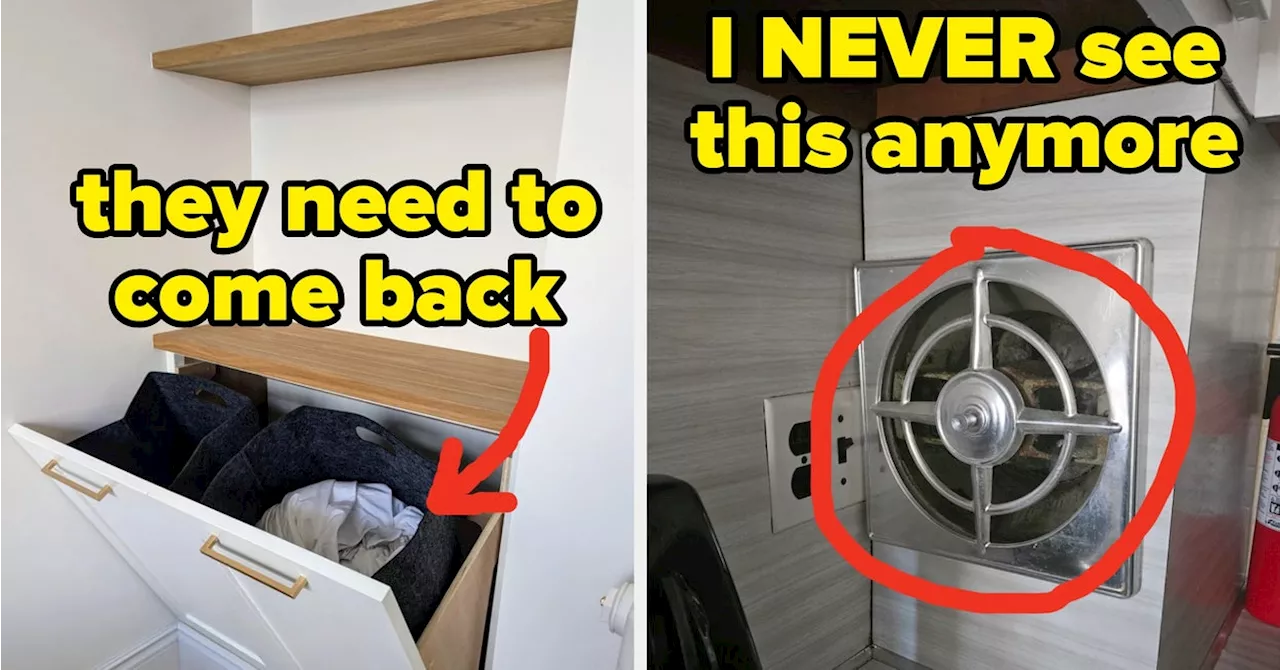
A growing number of homeowners are expressing a desire to revive certain outdated home design features, arguing that they offer superior functionality compared to many contemporary trends. Features such as built-in clothes hampers, Formica countertops, and separated living spaces have emerged as favorites among readers who believe these designs enhance everyday living.
One significant trend being advocated for is the built-in clothes hamper, particularly in bathrooms. Homeowners highlight its practicality, stating, “Just toss your dirty clothes in before your shower. Plus, it doesn’t take up floor space or have to get moved for mopping.” This sentiment reflects a broader preference for designs that prioritize ease of use over aesthetics.
Another feature making a comeback is the Formica countertop. Many readers argue that while natural stone surfaces may offer visual appeal, they often come with a hefty price tag and require maintenance. One homeowner emphasized, “Formica is inexpensive, easy to clean, and requires no maintenance. Kitchens are for cooking, baking, and eating. Ease of cleaning and sanitizing should be the most important factor when choosing a countertop.”
The desire for dedicated laundry rooms also stands out. Individuals recount fond memories of homes where laundry rooms were distinct from kitchen spaces, allowing for a more organized household. A commenter from Glen Rock shared their experience: “The laundry room was in the basement at the foot of the stairs. It was easy to remove dirty clothes and put them in the washing machine.” This highlights how dedicated spaces can contribute to a more efficient home environment.
The push for smaller showers is another notable preference. Many homeowners express frustration with oversized showers that are difficult to clean and maintain. One individual remarked, “Who needs a shower this big? Make it big enough for two people, or a wheelchair, if you have to, and that’s it!” This shift suggests a desire for practicality over luxury in bathroom design.
Separation of living spaces also garners support. Readers have voiced appreciation for homes constructed in the 1950s, where kitchens, living rooms, and family rooms were distinct and divided by walls. This design fosters a sense of privacy and allows for more comfortable relaxation. One homeowner explained their choice: “When I’m relaxing with a book in the living room or watching TV in the family room after dinner, I don’t want to see the kitchen.”
The call for walk-in pantries, wood-burning fireplaces, and sitting porches further illustrates a longing for traditional designs that prioritize storage and comfort. These features, often found in older farmhouses, provide not only functional benefits but also a nostalgic connection to the past. One commenter remarked on the charm of wood-burning fireplaces, stating they offer both warmth and a distinct aroma when the power goes out.
Additionally, the need for sufficient storage is emphasized. Many readers lament the lack of built-in storage in modern homes, which can lead to reliance on external storage units. One individual reflected on their childhood home: “If a house has built-in storage, such as real closets and drawers, you don’t need storage units.” This need for practicality resonates with many who navigate daily life in increasingly cluttered environments.
As the conversation around these outdated home design trends continues, readers are encouraged to share their thoughts. What features do you think deserve a comeback? Whether you prefer the functionality of built-in hampers or the charm of Formica countertops, the discussion reflects a broader desire for homes that prioritize usability and comfort over fleeting trends.

Church Members Rally Together After Thanksgiving Day Fire

Trump Promises to Release MRI Results from October Scan

U.S. Investors Boost Canadian Oil Firms Despite Falling Prices

Nick Jonas Unveils Solo Album Title and Release Date at Las Vegas Brunch

Researchers Call for Low-Alcohol Drink Label Changes for Pregnant Women

Community Aims for Record in World’s Largest Christmas Cookie Exchange

Mayor Appoints Alan Wong to District 4 Supervisor Position

Mayor Names Alan Wong as New District 4 Supervisor Amid Controversy

South Korea Takes Urgent Action to Stabilize FX Market

University of Hawaiʻi at Mānoa Joins $25.6M AI Initiative for Disaster Monitoring

IROS 2025 to Showcase Cutting-Edge Robotics Innovations in China

ALMA Discovers Companion Orbiting Red Giant Star π 1 Gruis

Stone Island’s Logo Worn by Extremists Sparks Brand Dilemma

Startup Liberate Bio Secures $31 Million for Next-Gen Therapies

Mary Morgan Jackson Crowned Little Miss National Peanut Festival 2025

Bravo Company Veterans Honored with Bronze Medals After 56 Years

Judge Considers Dismissal of Chelsea Housing Case Citing AI Flaws

Top Hyaluronic Acid Serums for Radiant Skin in 2025
-
Science4 weeks ago
University of Hawaiʻi at Mānoa Joins $25.6M AI Initiative for Disaster Monitoring
-
 Science2 months ago
IROS 2025 to Showcase Cutting-Edge Robotics Innovations in China
-
 Science2 weeks ago
ALMA Discovers Companion Orbiting Red Giant Star π 1 Gruis
-
 Lifestyle2 months ago
Stone Island’s Logo Worn by Extremists Sparks Brand Dilemma
-
 Health2 months ago
Startup Liberate Bio Secures $31 Million for Next-Gen Therapies
-
 Lifestyle2 months ago
Mary Morgan Jackson Crowned Little Miss National Peanut Festival 2025
-
 World2 months ago
Bravo Company Veterans Honored with Bronze Medals After 56 Years
-
 Politics2 months ago
Judge Considers Dismissal of Chelsea Housing Case Citing AI Flaws
-
 Health2 months ago
Top Hyaluronic Acid Serums for Radiant Skin in 2025
-

 Sports2 months ago
Yamamoto’s Mastery Leads Dodgers to 5-1 Victory in NLCS Game 2
-

 Science2 months ago
Arizona State University Transforms Programming Education Approach
-

 Business2 months ago
Truist Financial Increases Stake in Global X Variable Rate ETF