
Top Stories
California’s Governor Urges Nuclear Rebuild at UN Climate Summit

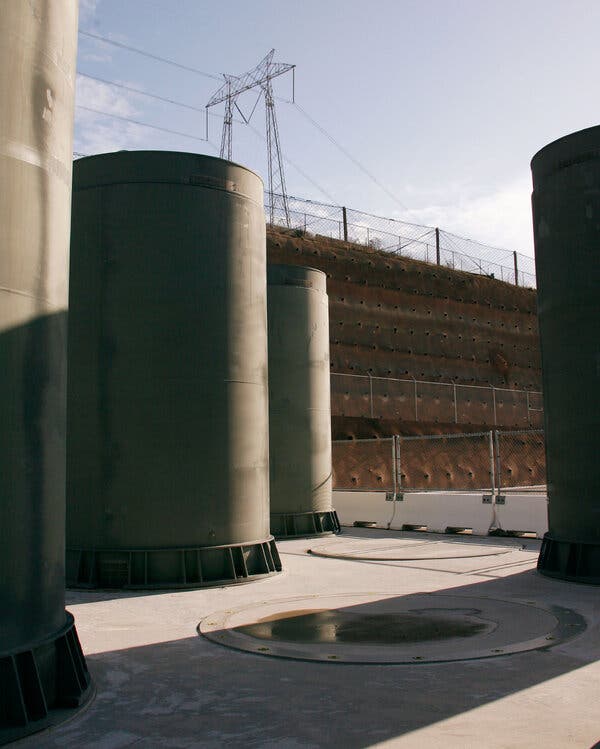
UPDATE: At the annual United Nations climate conference in Belém, Brazil, California Governor Gavin Newsom has made a groundbreaking call for a revival of nuclear power plants, highlighting a significant shift in energy strategy that could reshape America’s approach to climate change.
During the conference, Newsom declared that nuclear energy is no longer seen as a controversial option but rather a crucial component of America’s low-carbon green growth strategy. This statement resonates particularly in states like New York, where companies such as Google are actively pursuing nuclear projects to move away from fossil fuels.
However, in California, the construction of new nuclear facilities remains effectively banned due to a law enacted in 1976. This law prohibited any new nuclear projects until a permanent solution for nuclear waste disposal is established at the federal level. This legislative barrier has been echoed across 15 other states, most of which are led by Democratic governments, and nine of these still maintain statewide moratoriums on nuclear energy.
Newsom’s remarks call for a reevaluation of these restrictions, emphasizing the urgent need for nuclear power to play a role in reducing greenhouse gas emissions. He stated, “It’s time to recognize that eliminating greenhouse gases will be difficult without nuclear energy.” His comments reflect a growing consensus among climate advocates that nuclear power can no longer be ignored if the goal is a sustainable energy future.
California’s commitment to achieving all electricity from carbon-free sources by 2045 is a bold vision, yet it faces challenges. The state approved a plan in 2018 to close its last operational nuclear plant, favoring renewable sources like solar and wind. While these efforts are commendable, they may not provide a comprehensive solution to energy needs and climate goals.
As the climate crisis intensifies, states still blocking new nuclear projects are urged to reconsider their positions and laws. The implications are vast—transitioning to a sustainable and reliable energy grid may hinge on the acceptance of nuclear power. Newsom’s strong advocacy at this critical conference may signal a turning point in energy policy discussions across the United States.
This shift in perspective could not only influence California’s energy policies but also set a precedent for other states grappling with similar challenges. With climate change accelerating, the stakes have never been higher for energy innovation and reform.
As discussions continue at the conference, all eyes will be on California and its potential to lead a nuclear renaissance that aligns with global climate goals. The future of energy may well depend on this pivotal moment in nuclear policy.
Stay tuned for further updates as this story develops, and consider the impact of nuclear energy on the fight against climate change in your community.

Urgent Study Reveals Shark Teeth Insights to Combat Extinction

Church Members Rally Together After Thanksgiving Day Fire

Trump Promises to Release MRI Results from October Scan

U.S. Investors Boost Canadian Oil Firms Despite Falling Prices

Nick Jonas Unveils Solo Album Title and Release Date at Las Vegas Brunch

Researchers Call for Low-Alcohol Drink Label Changes for Pregnant Women

Community Aims for Record in World’s Largest Christmas Cookie Exchange

Mayor Appoints Alan Wong to District 4 Supervisor Position

Mayor Names Alan Wong as New District 4 Supervisor Amid Controversy

University of Hawaiʻi at Mānoa Joins $25.6M AI Initiative for Disaster Monitoring

IROS 2025 to Showcase Cutting-Edge Robotics Innovations in China

ALMA Discovers Companion Orbiting Red Giant Star π 1 Gruis

Stone Island’s Logo Worn by Extremists Sparks Brand Dilemma

Startup Liberate Bio Secures $31 Million for Next-Gen Therapies

Mary Morgan Jackson Crowned Little Miss National Peanut Festival 2025

Bravo Company Veterans Honored with Bronze Medals After 56 Years

Judge Considers Dismissal of Chelsea Housing Case Citing AI Flaws

Top Hyaluronic Acid Serums for Radiant Skin in 2025
-
Science4 weeks ago
University of Hawaiʻi at Mānoa Joins $25.6M AI Initiative for Disaster Monitoring
-
 Science2 months ago
IROS 2025 to Showcase Cutting-Edge Robotics Innovations in China
-
 Science2 weeks ago
ALMA Discovers Companion Orbiting Red Giant Star π 1 Gruis
-
 Lifestyle2 months ago
Stone Island’s Logo Worn by Extremists Sparks Brand Dilemma
-
 Health2 months ago
Startup Liberate Bio Secures $31 Million for Next-Gen Therapies
-
 Lifestyle2 months ago
Mary Morgan Jackson Crowned Little Miss National Peanut Festival 2025
-
 World2 months ago
Bravo Company Veterans Honored with Bronze Medals After 56 Years
-
 Politics2 months ago
Judge Considers Dismissal of Chelsea Housing Case Citing AI Flaws
-
 Health2 months ago
Top Hyaluronic Acid Serums for Radiant Skin in 2025
-

 Science2 months ago
Arizona State University Transforms Programming Education Approach
-

 Sports2 months ago
Yamamoto’s Mastery Leads Dodgers to 5-1 Victory in NLCS Game 2
-

 Sports2 months ago
Mel Kiper Jr. Reveals Top 25 Prospects for 2026 NFL Draft