
Business
Master Dining Etiquette: Expert Tips for Proper Table Manners

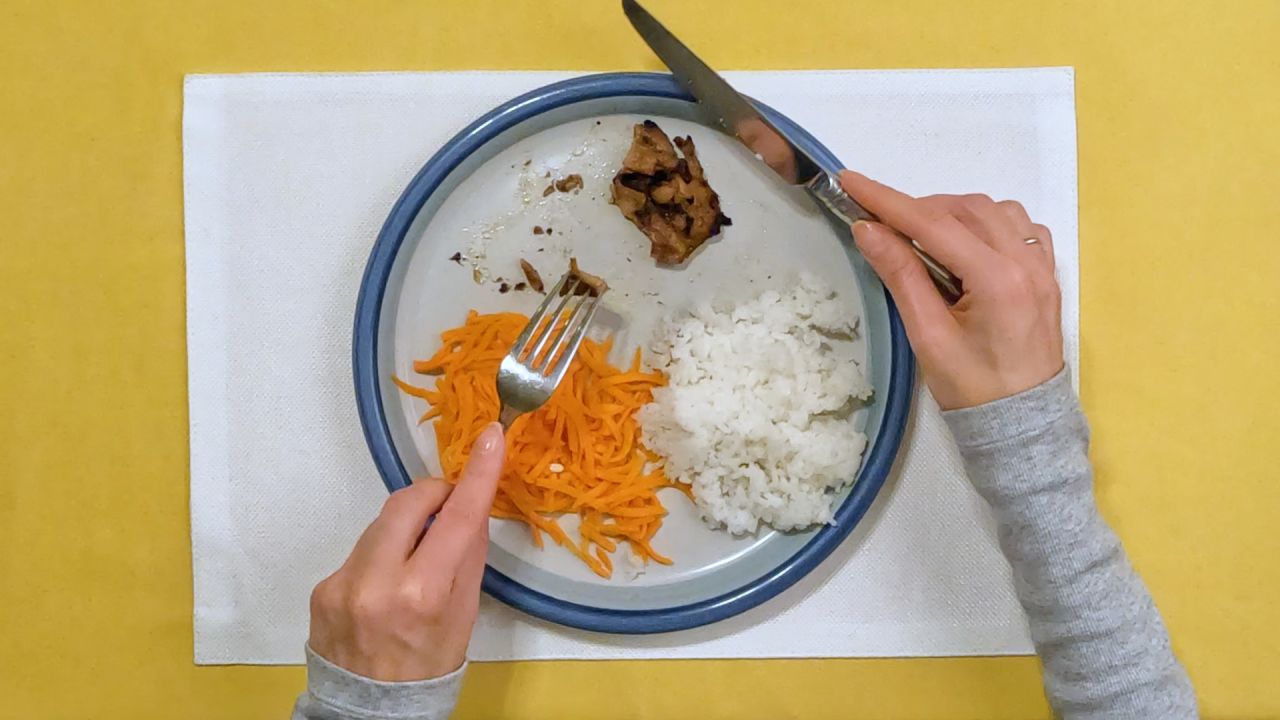
Dining etiquette plays a crucial role in various social and professional settings. Recently, business etiquette expert Jacqueline Whitmore highlighted common mistakes that individuals make with their forks and knives, emphasizing the differences between the American and Continental styles of dining. Understanding these nuances can significantly enhance one’s dining experience, especially in business environments where first impressions matter.
Understanding Dining Styles
The American and Continental styles of dining each have distinct approaches to handling cutlery. In the American style, diners typically switch the fork from the left hand to the right after cutting food. This method, while widely accepted in the United States, contrasts with the Continental style, where the fork remains in the left hand throughout the meal. Whitmore notes that adhering to the appropriate style can reflect one’s awareness of dining etiquette.
Whitmore encourages individuals to be mindful of these differences, particularly when attending formal events or business dinners. She states, “Understanding the correct way to use cutlery can convey respect for the dining experience and those present.”
Common Mistakes to Avoid
Many individuals inadvertently make errors that can detract from their dining experience. For instance, resting the knife and fork on the plate or using the wrong hand to hold the cutlery can send mixed signals about one’s familiarity with dining norms. Whitmore points out that these small details matter significantly, especially in professional contexts where etiquette can influence perceptions.
Another common mistake occurs when diners hold their utensils too tightly. Whitmore advises a relaxed grip to ensure comfort and ease during the meal. She also highlights the importance of placing the knife and fork parallel on the plate when finished, signaling to staff that one has completed the meal.
In addition, using a mobile phone at the table can be perceived as disrespectful. Whitmore emphasizes that engaging in conversation with dining companions should take precedence over distractions from technology.
Dining etiquette extends beyond merely knowing how to hold cutlery; it encompasses a broader understanding of social interactions and respect for others at the table. Whitmore encourages individuals to practice these skills in casual settings to build confidence for more formal occasions.
As the world becomes increasingly interconnected, awareness of dining etiquette can provide significant advantages in both personal and professional settings. Mastering these skills not only enhances the dining experience but also conveys professionalism and respect for the cultural nuances of dining practices around the globe.

Urgent Update: ACA Premium Subsidies Expire for 300,000 Oklahomans

Vintage Stoplight Stolen in Guthrie, Homeowner Urges Public Help

Neuralink Plans Automated Surgery and Mass Production for 2026

US Coast Guard Ends Search for Missing Woman from Cruise Ship

Wall Street Analysts Unite for Optimistic 2026 Outlook on S&P 500

Discover 7 Flawless HBO Series That Never Miss a Beat

GLP-1 Drugs Reshape Food Spending Patterns in the US

Bolsonaro Returns to Prison After Hospital Discharge, Urgent Developments

Ahn Eun Jin’s SBS Drama Awards Look Sparks Controversy Online

University of Hawaiʻi at Mānoa Joins $25.6M AI Initiative for Disaster Monitoring

New Gel Offers Hope for Regrowing Tooth Enamel in Dentistry

ALMA Discovers Companion Orbiting Red Giant Star π 1 Gruis

Park Jung Min’s Endearing Moment with Hwasa Steals Show at Awards

IROS 2025 to Showcase Cutting-Edge Robotics Innovations in China

Stone Island’s Logo Worn by Extremists Sparks Brand Dilemma

Sampson County Celebrates Susie Faison’s 100th Birthday Milestone

Startup Liberate Bio Secures $31 Million for Next-Gen Therapies

Mary Morgan Jackson Crowned Little Miss National Peanut Festival 2025
-
Science2 months ago
University of Hawaiʻi at Mānoa Joins $25.6M AI Initiative for Disaster Monitoring
-
 Health2 months ago
New Gel Offers Hope for Regrowing Tooth Enamel in Dentistry
-
 Science2 months ago
ALMA Discovers Companion Orbiting Red Giant Star π 1 Gruis
-
 Lifestyle1 month ago
Park Jung Min’s Endearing Moment with Hwasa Steals Show at Awards
-
 Science3 months ago
IROS 2025 to Showcase Cutting-Edge Robotics Innovations in China
-
 Lifestyle3 months ago
Stone Island’s Logo Worn by Extremists Sparks Brand Dilemma
-
 Lifestyle2 months ago
Sampson County Celebrates Susie Faison’s 100th Birthday Milestone
-
 Health3 months ago
Startup Liberate Bio Secures $31 Million for Next-Gen Therapies
-
 Lifestyle3 months ago
Mary Morgan Jackson Crowned Little Miss National Peanut Festival 2025
-

 Science3 months ago
Arizona State University Transforms Programming Education Approach
-

 Health3 months ago
Top Hyaluronic Acid Serums for Radiant Skin in 2025
-

 Science2 months ago
Interstellar Comet 3I/ATLAS Approaches Sun, No Threat to Earth