
Business
Surge in Permian Gas Demand Fuels Major U.S. Pipeline Expansion

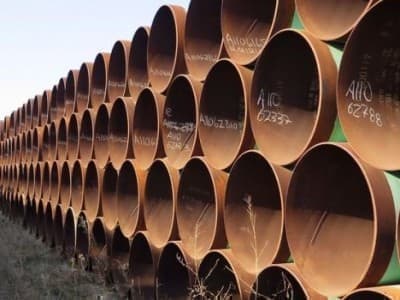
Increasing demand for natural gas from the Permian Basin is driving a significant expansion of pipeline infrastructure in the U.S. Gulf Coast. As both domestic and export requirements grow, developers are investing heavily in new pipeline capacity, marking the largest buildout since the peak of the shale boom.
The surge in demand stems from various sectors, notably the chemical and manufacturing industries, along with data centers that require a reliable energy supply. This domestic consumption is complemented by a rising tide of liquefied natural gas (LNG) exports. The coasts of Texas and Louisiana are poised to see the launch of at least half a dozen new export facilities by the end of the decade, necessitating the construction and expansion of pipeline links to transport gas to these facilities.
Investment in Infrastructure
According to recent industry reports, pipeline developers are responding to this growing demand with substantial investments in infrastructure. This expansion not only aims to meet the immediate needs of the market but also positions the U.S. as a leading player in the global LNG export landscape. The favorable regulatory environment within the state has further encouraged these developments, allowing for a streamlined approval process for new projects.
The construction of these pipelines is vital to ensuring that the gas produced in the Permian Basin can efficiently reach both domestic markets and international customers. With LNG exports expected to rise considerably, the need for reliable transportation options cannot be overstated. This pipeline expansion is seen as a strategic move to bolster the supply chain, ensuring that energy demands are met in a timely manner.
Looking Ahead to 2030
By 2030, the landscape of natural gas exportation from the U.S. is projected to change dramatically. Analysts predict that the combination of new pipeline capacity and the anticipated launch of additional export plants will significantly increase the volume of LNG shipped overseas. This growth will not only impact U.S. energy markets but also influence global gas supply dynamics.
The current pipeline expansion highlights the increasing interdependence between domestic energy production and international markets. As the demand for cleaner energy sources grows worldwide, the U.S. is well-positioned to meet this need, thanks to its abundant natural gas resources.
In conclusion, the ongoing investments in pipeline infrastructure in the U.S. Gulf Coast reflect a critical response to the rising demand for natural gas, both domestically and internationally. This significant buildout underscores the importance of the Permian Basin as a key player in the future of energy supply, paving the way for enhanced connectivity and growth in the sector.

Trump Promises to Release MRI Results from October Scan

U.S. Investors Boost Canadian Oil Firms Despite Falling Prices

Nick Jonas Unveils Solo Album Title and Release Date at Las Vegas Brunch

Researchers Call for Low-Alcohol Drink Label Changes for Pregnant Women

Community Aims for Record in World’s Largest Christmas Cookie Exchange

Mayor Appoints Alan Wong to District 4 Supervisor Position

Mayor Names Alan Wong as New District 4 Supervisor Amid Controversy

South Korea Takes Urgent Action to Stabilize FX Market

Marjorie Taylor Greene Resigns: Urgent Warning for Republicans

University of Hawaiʻi at Mānoa Joins $25.6M AI Initiative for Disaster Monitoring

IROS 2025 to Showcase Cutting-Edge Robotics Innovations in China

ALMA Discovers Companion Orbiting Red Giant Star π 1 Gruis

Stone Island’s Logo Worn by Extremists Sparks Brand Dilemma

Startup Liberate Bio Secures $31 Million for Next-Gen Therapies

Mary Morgan Jackson Crowned Little Miss National Peanut Festival 2025

Bravo Company Veterans Honored with Bronze Medals After 56 Years

Judge Considers Dismissal of Chelsea Housing Case Citing AI Flaws

Top Hyaluronic Acid Serums for Radiant Skin in 2025
-
Science4 weeks ago
University of Hawaiʻi at Mānoa Joins $25.6M AI Initiative for Disaster Monitoring
-
 Science2 months ago
IROS 2025 to Showcase Cutting-Edge Robotics Innovations in China
-
 Science2 weeks ago
ALMA Discovers Companion Orbiting Red Giant Star π 1 Gruis
-
 Lifestyle2 months ago
Stone Island’s Logo Worn by Extremists Sparks Brand Dilemma
-
 Health2 months ago
Startup Liberate Bio Secures $31 Million for Next-Gen Therapies
-
 Lifestyle2 months ago
Mary Morgan Jackson Crowned Little Miss National Peanut Festival 2025
-
 World2 months ago
Bravo Company Veterans Honored with Bronze Medals After 56 Years
-
 Politics2 months ago
Judge Considers Dismissal of Chelsea Housing Case Citing AI Flaws
-
 Health2 months ago
Top Hyaluronic Acid Serums for Radiant Skin in 2025
-

 Science2 months ago
Arizona State University Transforms Programming Education Approach
-

 Sports2 months ago
Yamamoto’s Mastery Leads Dodgers to 5-1 Victory in NLCS Game 2
-

 Business2 months ago
Truist Financial Increases Stake in Global X Variable Rate ETF