
Health
Experts Debunk 5 Hangover Myths for a Healthier Holiday Season

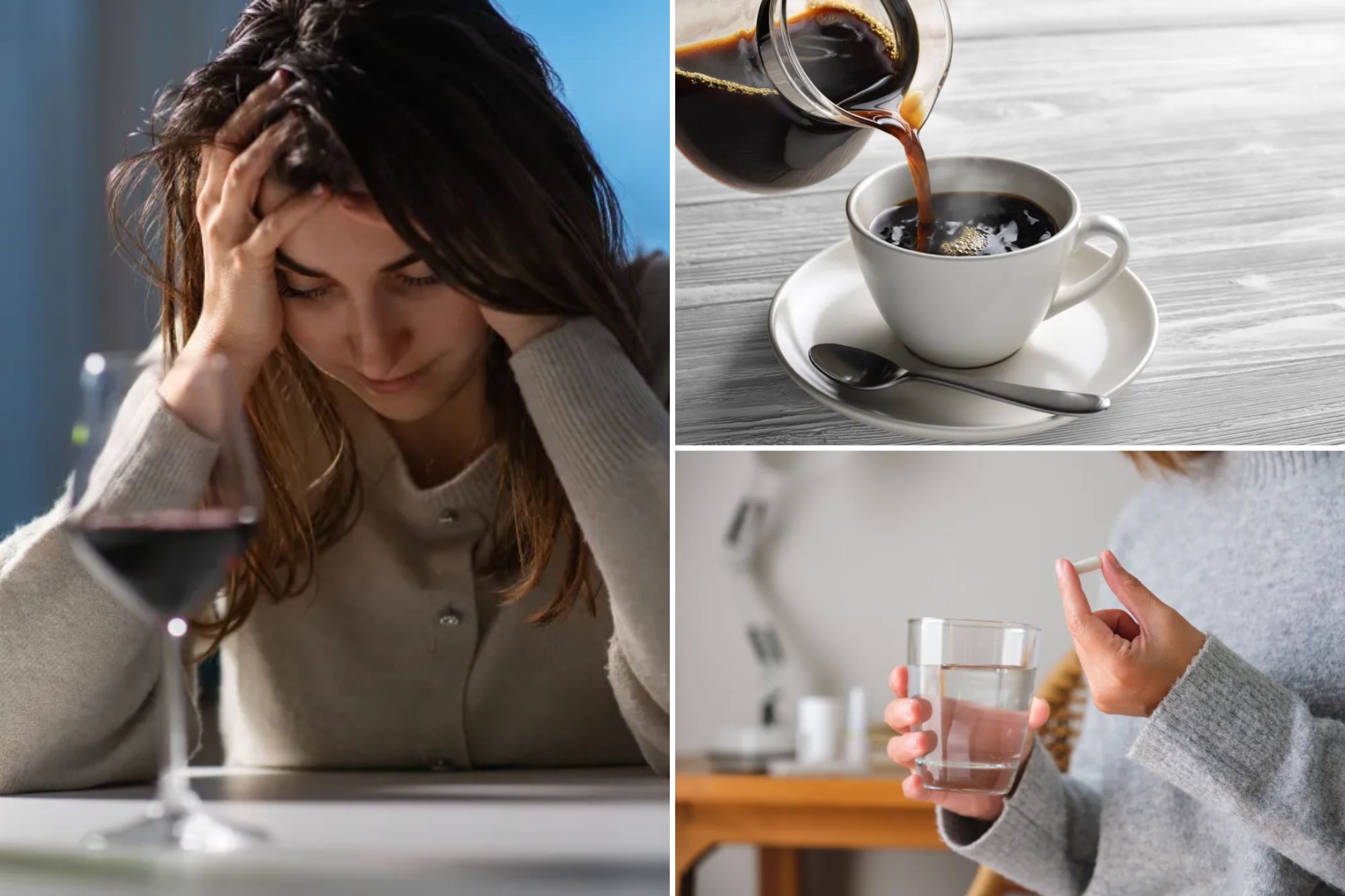
The holiday season often brings a surge in social events, from office parties to family gatherings, leading many to indulge in alcohol. As a result, the day after celebrations can leave individuals grappling with hangovers. Despite numerous remedies circulating on social media, experts assert that most do not effectively address the body’s reaction to alcohol. According to Dr. Hillary Lin, a physician based in New York City, many popular hangover cures fail because they treat the liver as a sponge instead of recognizing its role as a chemical processing organ.
A hangover is primarily a response to the accumulation of harmful byproducts as the body metabolizes alcohol, as explained by the National Institutes of Health. Unfortunately, there is no quick fix. “You can’t biohack a hangover once it starts,” Dr. Lin stated.
Debunking Common Myths
Experts have identified five common misconceptions about hangover remedies that may mislead individuals seeking relief.
1. **‘Hair of the Dog’**
The idea of consuming more alcohol to alleviate a hangover, known as “hair of the dog,” is misleading. Dr. Lin notes that while it may temporarily dull symptoms, it ultimately burdens the liver further. Alexa Ryan, a neurotherapist and clinical dietitian nutritionist from California, emphasizes that this approach does not resolve dehydration, inflammation, or the toxic byproducts of alcohol consumption. Additionally, Ian Anderson, co-founder of the mindfulness drinking app Sunnyside, warns that combining alcohol with tobacco or cannabis can worsen hangover symptoms and impair cognitive function.
2. **Greasy Breakfasts**
The belief that a heavy breakfast can soak up alcohol is misguided. Dr. Lin asserts that by the time one wakes up with a hangover, any alcohol has already left the stomach, meaning there is nothing left to absorb. Instead, she recommends eating prior to drinking to slow alcohol absorption. Certain foods—such as eggs, bananas, and nuts—may aid recovery, though evidence supporting their effectiveness is limited.
3. **Coffee or Lemon Water**
Many reach for coffee or lemon water in hopes of flushing out alcohol, but experts clarify that detoxification does not work this way. Ryan explains that by the time a hangover sets in, alcohol has already disrupted sleep and irritated the stomach lining. Both coffee and lemon juice do not hasten alcohol metabolism. Furthermore, Anderson points out that coffee can hinder hydration and potentially exacerbate headaches, making plain water the better choice post-drinking.
4. **Patches or Supplements**
Not all patches or supplements are reliable for hangover relief. Most products are too late to make a meaningful impact. Dr. Lin highlights that some emerging probiotics may effectively break down acetaldehyde in the gut before it enters the bloodstream. She also suggests considering a high-quality electrolyte mix before bedtime to support recovery.
5. **Sweat-It-Out Exercise**
The notion that exercise can expedite alcohol clearance is incorrect. Ryan stresses that the liver metabolizes alcohol at a consistent rate, and physical activity does not enhance this process. Exercising while hungover can worsen dehydration and cause additional strain on the body.
The Path to Recovery
Despite numerous claims of hangover cures, experts maintain that there is no universal solution. The most effective strategy is to limit alcohol intake and avoid binge drinking, defined by the Centers for Disease Control and Prevention as five or more drinks for men and four for women on one occasion. Alternating alcoholic beverages with water or non-alcoholic drinks can significantly reduce hangover severity.
It’s essential to recognize that no level of alcohol consumption is entirely safe, as even low amounts can elevate cancer risk. When hangovers do occur, recovery hinges on rest, hydration, and time. Ryan advises prioritizing fluids with electrolytes, consuming a small, balanced meal, and allowing the liver sufficient time to detoxify.
With the holiday season in full swing, understanding these myths can help individuals navigate the festivities more wisely, promoting healthier choices and a more enjoyable experience.

Patriots WR Mack Hollins Out for Playoffs After IR Placement

Sculptural Lighting Redefines Interior Design Trends in 2023

Rep. Jasmine Crockett Critiques Trump’s Leadership Amid Economic Concerns

Ravens Face Packers in High-Stakes NFL Showdown Tonight

Gangs Exploit Sexual Violence to Dominate Haitian Communities

Former HOA President’s Future Candidacy in Question After Removal

Transform Your Old Speakers Into Sonos-Like Systems NOW!

Urgent: Italian Authorities Arrest 9 Alleged Hamas Fundraisers

LeBron James Criticized for Defensive Struggles vs Rockets

New Gel Offers Hope for Regrowing Tooth Enamel in Dentistry

University of Hawaiʻi at Mānoa Joins $25.6M AI Initiative for Disaster Monitoring

ALMA Discovers Companion Orbiting Red Giant Star π 1 Gruis

Park Jung Min’s Endearing Moment with Hwasa Steals Show at Awards

IROS 2025 to Showcase Cutting-Edge Robotics Innovations in China

Stone Island’s Logo Worn by Extremists Sparks Brand Dilemma

Sampson County Celebrates Susie Faison’s 100th Birthday Milestone

Mary Morgan Jackson Crowned Little Miss National Peanut Festival 2025

Startup Liberate Bio Secures $31 Million for Next-Gen Therapies
-
 Health2 months ago
New Gel Offers Hope for Regrowing Tooth Enamel in Dentistry
-
Science2 months ago
University of Hawaiʻi at Mānoa Joins $25.6M AI Initiative for Disaster Monitoring
-
 Science1 month ago
ALMA Discovers Companion Orbiting Red Giant Star π 1 Gruis
-
 Lifestyle1 month ago
Park Jung Min’s Endearing Moment with Hwasa Steals Show at Awards
-
 Science2 months ago
IROS 2025 to Showcase Cutting-Edge Robotics Innovations in China
-
 Lifestyle2 months ago
Stone Island’s Logo Worn by Extremists Sparks Brand Dilemma
-
 Lifestyle2 months ago
Sampson County Celebrates Susie Faison’s 100th Birthday Milestone
-
 Lifestyle2 months ago
Mary Morgan Jackson Crowned Little Miss National Peanut Festival 2025
-
 Health2 months ago
Startup Liberate Bio Secures $31 Million for Next-Gen Therapies
-

 Health2 months ago
Top Hyaluronic Acid Serums for Radiant Skin in 2025
-

 Science2 months ago
Arizona State University Transforms Programming Education Approach
-

 Politics2 months ago
Judge Considers Dismissal of Chelsea Housing Case Citing AI Flaws