
Health
Scientists Uncover Cause of Severe Gum Disease in Men

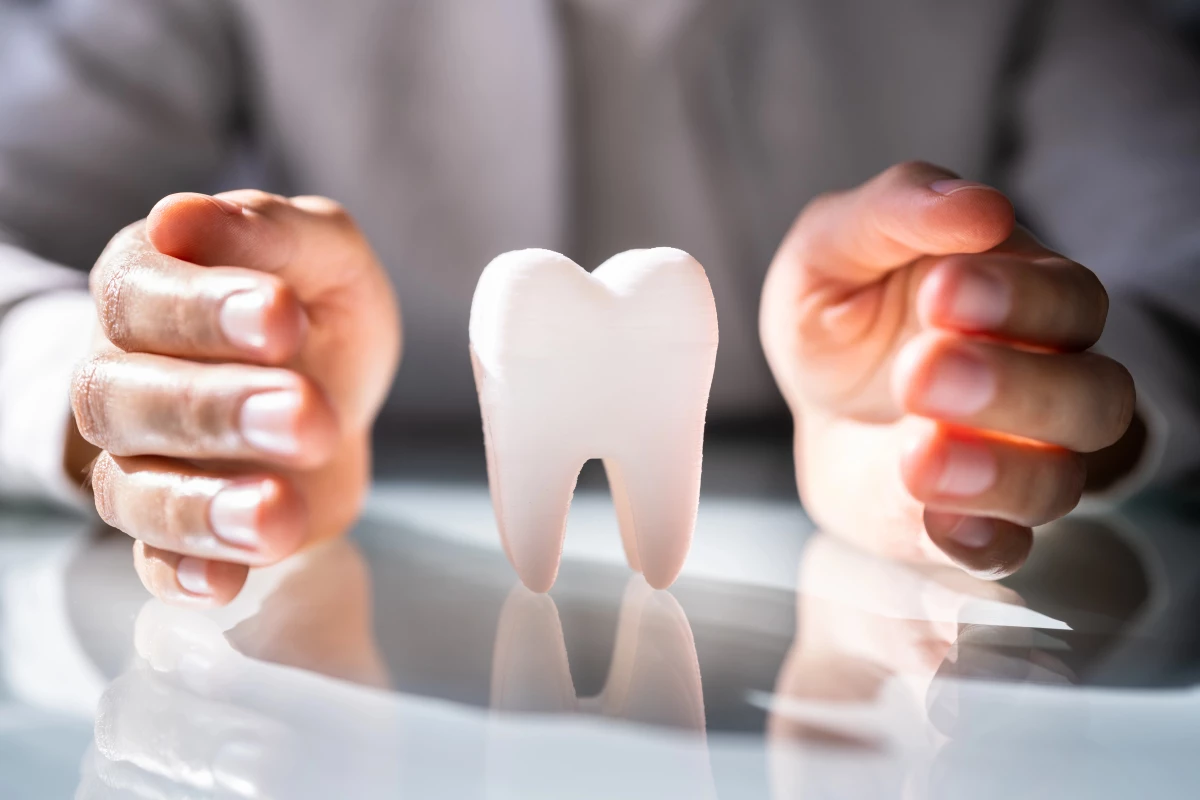
Researchers at the University of North Carolina at Chapel Hill have identified a biological factor contributing to the higher prevalence and severity of gum disease in men compared to women. This discovery centers on a specific inflammatory protein known as interleukin-1 beta (IL-1β), which appears to exacerbate symptoms of periodontitis, a condition that can lead to tooth loss over time.
The study, which analyzed over 6,200 human samples across three different investigations, reveals that men exhibit significantly elevated levels of IL-1β in the gingival crevice—the space between the gum and tooth. This heightened inflammatory response may contribute to increased gum and bone loss during dental infections.
Julie Marchesan, a researcher at the UNC Adams School of Dentistry, emphasized the importance of this research, stating, “Our paradigm-shifting work not only pinpoints the inflammasome as a causal driver of male-biased periodontitis but also demonstrates a clear path for the development of sex-stratified therapeutics in periodontics.” This insight challenges the previous notion that behavioral factors like poor oral hygiene were the primary reasons men experience worse dental health.
The study also examined male and female mice to further validate these findings. It was observed that male rodents had significantly higher IL-1β secretion compared to their female counterparts, reflecting the human data. Mice with genetic deletions affecting the inflammasome showed reduced bone loss from dental disease. Importantly, treatment with a caspase-1/4 inhibitor—which blocks the body’s IL-1β response—resulted in a marked decrease in inflammatory cells infiltrating tissue, but this effect was only significant in male mice. When testes were removed, the treatment lost its effectiveness, highlighting the connection between the male reproductive system and immune response.
The researchers concluded, “We found that inflammasome-induced interleukin-1 beta (IL-1β) represents a mechanism of sex dependency in three human datasets, which is verified mechanistically in murine studies.” They noted that targeting the inflammasome could help mitigate the bone loss associated with periodontitis, particularly in men.
This research opens new avenues for developing sex-specific treatments that could help manage and potentially prevent the progression of gum disease. Understanding the mechanisms at play in female biology may also lead to insights about periodontitis that are not influenced by IL-1β activity.
According to the Centers for Disease Control and Prevention (CDC), approximately 40% of adults aged 30 years or older in the United States are affected by some degree of periodontitis. The prevalence is significantly higher among men, with one in two men suffering from the disease compared to one in three women. The condition affects an estimated 60% of individuals over the age of 65.
Marchesan highlighted the potential impact of these findings, stating, “Our findings will foster the development of therapies that target the inflammasome and can specifically benefit male patients, while also paving the way for the discovery of biological mechanisms responsible for periodontitis in females.”
This research was published in the Proceedings of the National Academy of Sciences, underscoring its significance in the field of dental health and potential therapeutic innovations.

Urgent Study Reveals Shark Teeth Insights to Combat Extinction

Church Members Rally Together After Thanksgiving Day Fire

Trump Promises to Release MRI Results from October Scan

U.S. Investors Boost Canadian Oil Firms Despite Falling Prices

Nick Jonas Unveils Solo Album Title and Release Date at Las Vegas Brunch

Researchers Call for Low-Alcohol Drink Label Changes for Pregnant Women

Community Aims for Record in World’s Largest Christmas Cookie Exchange

Mayor Appoints Alan Wong to District 4 Supervisor Position

Mayor Names Alan Wong as New District 4 Supervisor Amid Controversy

University of Hawaiʻi at Mānoa Joins $25.6M AI Initiative for Disaster Monitoring

IROS 2025 to Showcase Cutting-Edge Robotics Innovations in China

ALMA Discovers Companion Orbiting Red Giant Star π 1 Gruis

Stone Island’s Logo Worn by Extremists Sparks Brand Dilemma

Startup Liberate Bio Secures $31 Million for Next-Gen Therapies

Bravo Company Veterans Honored with Bronze Medals After 56 Years

Mary Morgan Jackson Crowned Little Miss National Peanut Festival 2025

Judge Considers Dismissal of Chelsea Housing Case Citing AI Flaws

Top Hyaluronic Acid Serums for Radiant Skin in 2025
-
Science4 weeks ago
University of Hawaiʻi at Mānoa Joins $25.6M AI Initiative for Disaster Monitoring
-
 Science2 months ago
IROS 2025 to Showcase Cutting-Edge Robotics Innovations in China
-
 Science2 weeks ago
ALMA Discovers Companion Orbiting Red Giant Star π 1 Gruis
-
 Lifestyle2 months ago
Stone Island’s Logo Worn by Extremists Sparks Brand Dilemma
-
 Health2 months ago
Startup Liberate Bio Secures $31 Million for Next-Gen Therapies
-
 World2 months ago
Bravo Company Veterans Honored with Bronze Medals After 56 Years
-
 Lifestyle2 months ago
Mary Morgan Jackson Crowned Little Miss National Peanut Festival 2025
-
 Politics2 months ago
Judge Considers Dismissal of Chelsea Housing Case Citing AI Flaws
-
 Health2 months ago
Top Hyaluronic Acid Serums for Radiant Skin in 2025
-

 Science2 months ago
Arizona State University Transforms Programming Education Approach
-

 Sports2 months ago
Yamamoto’s Mastery Leads Dodgers to 5-1 Victory in NLCS Game 2
-

 Sports2 months ago
Mel Kiper Jr. Reveals Top 25 Prospects for 2026 NFL Draft