
Health
Young Professional Loses All Hair at 26 Due to Stress

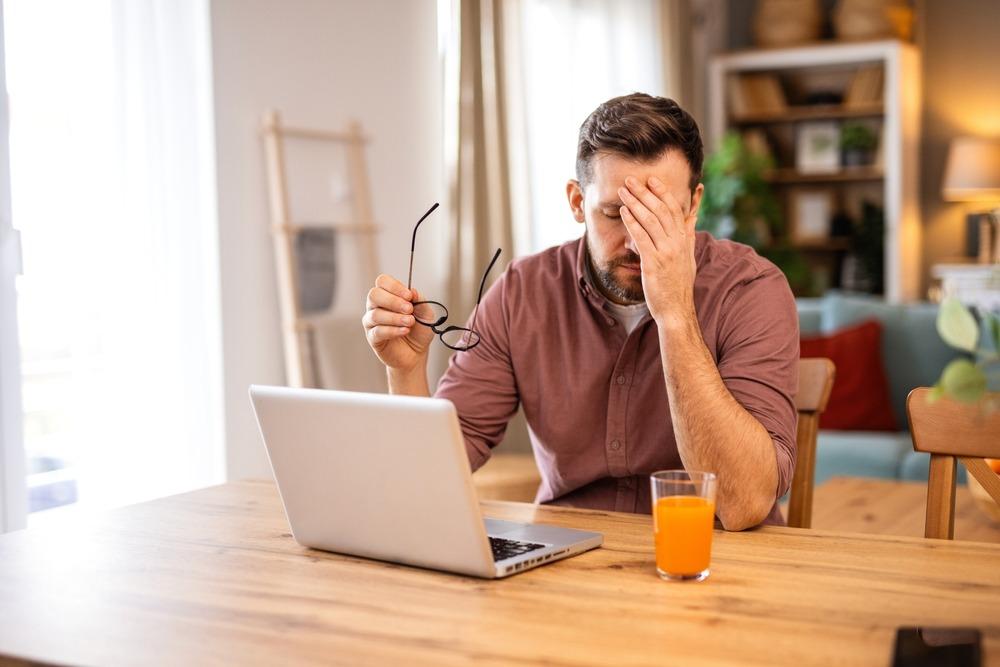
Lin Li, a 26-year-old from Taiwan, experienced complete hair loss due to severe stress-induced alopecia, a condition that has become increasingly common among young adults. At just 24, she began her first full-time job, believing she was managing the pressures of work and life effectively. However, by the age of 26, she found herself losing clumps of hair daily, leading to a dramatic thinning of her once-thick locks. Within months, her scalp was entirely bare.
Faced with the anxiety of waking up to more hair on her pillow, Lin made a significant life decision. She resigned from her city job and relocated to a tranquil island for a working holiday, aiming to provide her body with the relief it desperately needed. Nutritionist Lucy He, the founder of the Taiwan Integrative Functional Medicine Education Center, highlighted Lin’s case during a segment on NTD’s “Health 1+1.” He noted that extreme stress reactions like Lin’s are becoming increasingly prevalent.
“Today’s young people live under constant emotional and digital pressure from their teens onward,” He explained. “This comparison-driven anxiety pushes stress-related illnesses earlier and earlier.”
Understanding Stress and Its Effects
Stress is not merely a psychological issue; it also manifests physically through complex mechanisms within the body. When an individual experiences chronic anxiety, the brain activates the body’s stress response system, leading to elevated levels of cortisol and adrenaline. These hormones can trigger chronic inflammation, which negatively impacts various systems, including the skin, digestive processes, metabolism, and hormonal balance.
According to He, skin problems often serve as the first signs of distress. Many individuals experience acne, rashes, or itching when under stress. Research has uncovered a “brain-skin connection,” which functions as a two-way pathway. This pathway transmits psychological stress from the brain to the skin, resulting in inflammation and then sends signals back to the brain, creating a cycle that exacerbates the condition.
The impact of stress on the body highlights the importance of recognizing its signs early and seeking appropriate interventions. Lin’s experience serves as a reminder of the potential health consequences of unchecked stress, particularly among young professionals navigating demanding work environments.
As society becomes more aware of these issues, the conversation around mental health and its physiological effects continues to grow. The case of Lin Li emphasizes the necessity for individuals to prioritize their well-being and seek balance in an increasingly fast-paced world.

Urgent Study Reveals Shark Teeth Insights to Combat Extinction

Church Members Rally Together After Thanksgiving Day Fire

Trump Promises to Release MRI Results from October Scan

U.S. Investors Boost Canadian Oil Firms Despite Falling Prices

Nick Jonas Unveils Solo Album Title and Release Date at Las Vegas Brunch

Researchers Call for Low-Alcohol Drink Label Changes for Pregnant Women

Community Aims for Record in World’s Largest Christmas Cookie Exchange

Mayor Appoints Alan Wong to District 4 Supervisor Position

Mayor Names Alan Wong as New District 4 Supervisor Amid Controversy

University of Hawaiʻi at Mānoa Joins $25.6M AI Initiative for Disaster Monitoring

IROS 2025 to Showcase Cutting-Edge Robotics Innovations in China

ALMA Discovers Companion Orbiting Red Giant Star π 1 Gruis

Stone Island’s Logo Worn by Extremists Sparks Brand Dilemma

Startup Liberate Bio Secures $31 Million for Next-Gen Therapies

Bravo Company Veterans Honored with Bronze Medals After 56 Years

Mary Morgan Jackson Crowned Little Miss National Peanut Festival 2025

Judge Considers Dismissal of Chelsea Housing Case Citing AI Flaws

Top Hyaluronic Acid Serums for Radiant Skin in 2025
-
Science4 weeks ago
University of Hawaiʻi at Mānoa Joins $25.6M AI Initiative for Disaster Monitoring
-
 Science2 months ago
IROS 2025 to Showcase Cutting-Edge Robotics Innovations in China
-
 Science2 weeks ago
ALMA Discovers Companion Orbiting Red Giant Star π 1 Gruis
-
 Lifestyle2 months ago
Stone Island’s Logo Worn by Extremists Sparks Brand Dilemma
-
 Health2 months ago
Startup Liberate Bio Secures $31 Million for Next-Gen Therapies
-
 World2 months ago
Bravo Company Veterans Honored with Bronze Medals After 56 Years
-
 Lifestyle2 months ago
Mary Morgan Jackson Crowned Little Miss National Peanut Festival 2025
-
 Politics2 months ago
Judge Considers Dismissal of Chelsea Housing Case Citing AI Flaws
-
 Health2 months ago
Top Hyaluronic Acid Serums for Radiant Skin in 2025
-

 Sports2 months ago
Yamamoto’s Mastery Leads Dodgers to 5-1 Victory in NLCS Game 2
-

 Science2 months ago
Arizona State University Transforms Programming Education Approach
-

 Business2 months ago
Truist Financial Increases Stake in Global X Variable Rate ETF