
Lifestyle
Frustrations of Long-Distance Gift Giving: A Dilemma Explored

Many individuals grapple with the complexities of gift-giving, especially when distance and family dynamics come into play. A recent inquiry raised by a frustrated gift-giver highlights the emotional challenges associated with sending presents to family members they rarely see. The writer, who has not met her great-nephew and has only seen her great-niece once, wonders if sending gift cards might replace traditional gifts to ensure the children receive what they truly want.
The writer, communicating with her nephew and his wife via WhatsApp, typically asks for gift suggestions for her great-niece, aged 8, and great-nephew, aged 3. Despite her efforts to involve the parents in the gifting process, she feels that her contributions are met with indifference. The lack of enthusiastic responses compared to the vibrant reactions her sister receives has left her questioning the value of her gifts. Her sister, who maintains a closer relationship with the family, is consistently met with heartfelt gratitude and photographs showcasing the children’s joy.
This situation raises important questions about the nature of gift-giving and its role in family relationships. The writer considers transitioning to gift cards to provide the parents with the flexibility to choose items that would genuinely delight their children. In doing so, she hopes to alleviate the pressure of selecting gifts that may not be well-received.
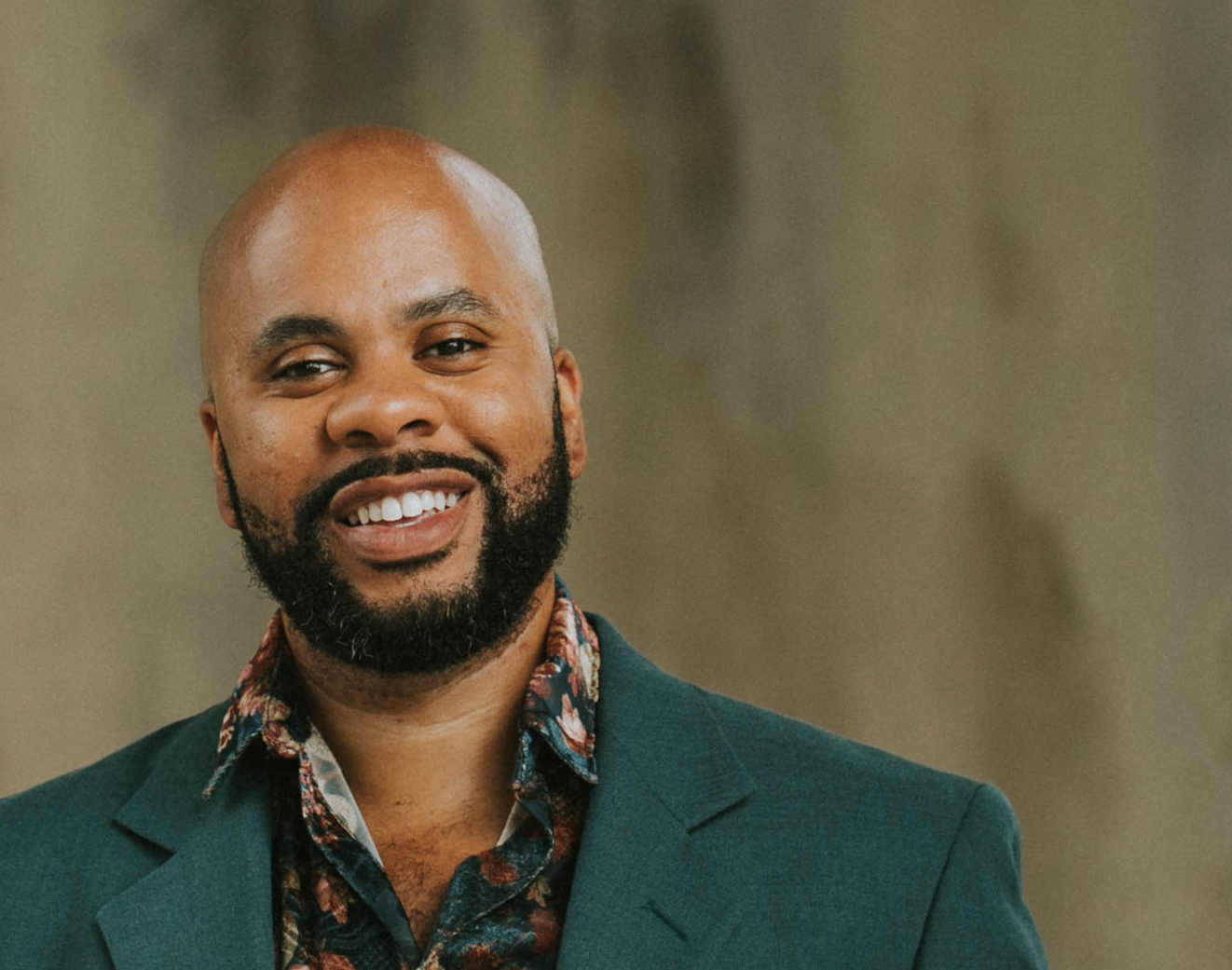
R. Eric Thomas, responding to the letter, validates the writer’s feelings of disappointment. He acknowledges the universal appeal of gift cards among children, suggesting that this change could indeed foster a more positive gifting experience. Furthermore, he emphasizes the importance of assessing the relationship dynamics at play.
When reflecting on the disparity in responses between her gifts and those from her sister, Thomas advises that the parents’ reactions may stem from their perception of what constitutes gratitude. They might view the gifts from the writer as requiring less enthusiasm, which could lead to a disconnect in expectations.
In a broader context, this scenario exemplifies common challenges in maintaining relationships across distances. The writer’s frustration encompasses not just the act of gift-giving but also the underlying desire for connection with her relatives. Thomas suggests that rather than focusing solely on material gifts, there are alternative ways to nurture these relationships.
In another letter, a different individual expresses disappointment in a friendship where their efforts and communication seem unreciprocated. This correspondent has frequently shared valuable information with a friend, only to receive minimal acknowledgment in return. After multiple attempts to address this imbalance, the correspondent feels compelled to distance themselves from the friendship, particularly after an ungrateful response to a dinner invitation.
Thomas highlights that communication is vital in relationships, and the lack of appreciation can lead to significant misunderstandings. He suggests that the friend may be unaware of the correspondent’s needs for acknowledgment, indicating a deeper issue in the friendship dynamic.
As these letters illustrate, navigating relationships—whether familial or friendly—can be complex, particularly when expectations and communication styles differ. Both correspondents are encouraged to reconsider their approaches to connection and to explore alternatives that may yield more fulfilling interactions.
Ultimately, the essence of these stories lies in the fundamental human desire for recognition and connection. Whether through gifts, cards, or simple expressions of gratitude, the goal remains the same: to foster relationships that bridge the gap of distance and enhance emotional bonds.

New Study Reveals How Junk Food Disrupts Brain’s Seasonal Timing

**William Henry Frank “Woody” Passes Away Unexpectedly in Florida**

FX Options Expire as Markets Await Liquidity Boost Next Week

Kim Jong Un’s Daughter Visits Mausoleum, Heightening Heir Speculation

Zacks Research Lowers IBKR Earnings Forecast for 2025

Power Book IV: Force Season 3 Episode 9 Premieres January 2, 2026

Sick Days: The Struggle Between Health and Work Ethics

Frustrations of Long-Distance Gift Giving: A Dilemma Explored

Media Outcry Over Coverage of Somali Day Care Fraud Claims

University of Hawaiʻi at Mānoa Joins $25.6M AI Initiative for Disaster Monitoring

New Gel Offers Hope for Regrowing Tooth Enamel in Dentistry

ALMA Discovers Companion Orbiting Red Giant Star π 1 Gruis

Park Jung Min’s Endearing Moment with Hwasa Steals Show at Awards

IROS 2025 to Showcase Cutting-Edge Robotics Innovations in China

Stone Island’s Logo Worn by Extremists Sparks Brand Dilemma

Sampson County Celebrates Susie Faison’s 100th Birthday Milestone

Startup Liberate Bio Secures $31 Million for Next-Gen Therapies

Mary Morgan Jackson Crowned Little Miss National Peanut Festival 2025
-
Science2 months ago
University of Hawaiʻi at Mānoa Joins $25.6M AI Initiative for Disaster Monitoring
-
 Health2 months ago
New Gel Offers Hope for Regrowing Tooth Enamel in Dentistry
-
 Science2 months ago
ALMA Discovers Companion Orbiting Red Giant Star π 1 Gruis
-
 Lifestyle1 month ago
Park Jung Min’s Endearing Moment with Hwasa Steals Show at Awards
-
 Science3 months ago
IROS 2025 to Showcase Cutting-Edge Robotics Innovations in China
-
 Lifestyle3 months ago
Stone Island’s Logo Worn by Extremists Sparks Brand Dilemma
-
 Lifestyle2 months ago
Sampson County Celebrates Susie Faison’s 100th Birthday Milestone
-
 Health3 months ago
Startup Liberate Bio Secures $31 Million for Next-Gen Therapies
-
 Lifestyle3 months ago
Mary Morgan Jackson Crowned Little Miss National Peanut Festival 2025
-

 Science3 months ago
Arizona State University Transforms Programming Education Approach
-

 Science2 months ago
Interstellar Comet 3I/ATLAS Approaches Sun, No Threat to Earth
-

 Health3 months ago
Top Hyaluronic Acid Serums for Radiant Skin in 2025