
Politics
GOP Lawmaker Demands $300 Billion from Canada for Defense Contributions

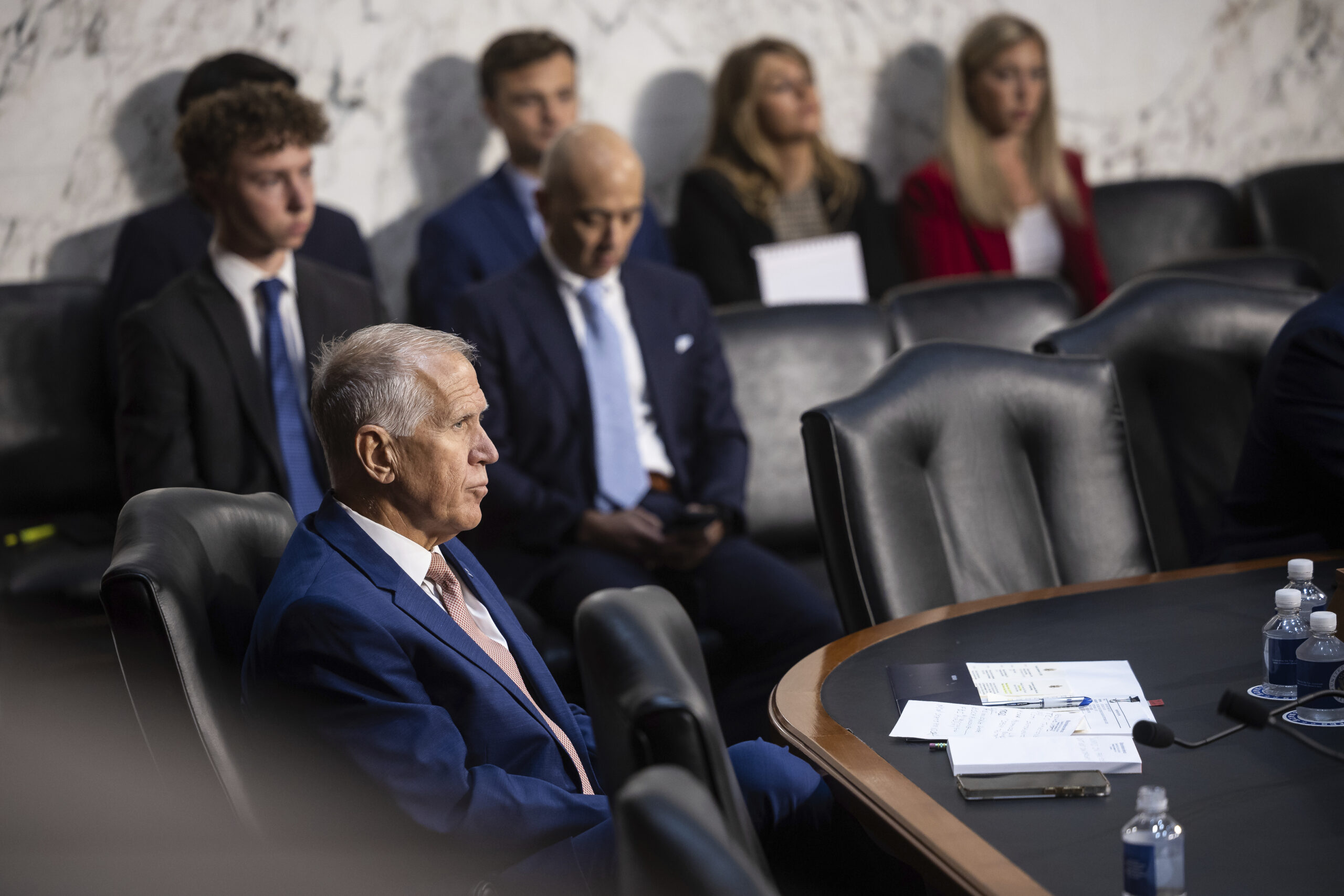
A Republican Senator has called for Canada to remit approximately $300 billion in defense dues to the United States, citing a perceived imbalance in NATO contributions. This demand underscores ongoing tensions regarding defense spending commitments among member nations of the North Atlantic Treaty Organization (NATO).
During a recent session in Washington, D.C., the Senator emphasized that Canada must fulfill its obligations to the alliance, arguing that the country has not contributed its fair share towards collective defense efforts. The senator’s comments come amid a broader discussion about NATO’s funding structure, which has been a contentious topic in U.S. politics for several years.
In response, Canada has defended its commitment to NATO, asserting that it has made significant strides in increasing its defense capabilities. The Minister of National Defence stated that Canada is committed to enhancing its military spending by 1.5% annually, aiming to reach the NATO guideline of spending 2% of its gross domestic product (GDP) by 2026. This plan is part of a broader strategy to bolster defense readiness and contribute to international security efforts.
Canada’s Defense Strategy in Focus
Canada has made notable investments in its military infrastructure, including recent acquisitions of advanced fighter jets and naval vessels. The government argues that these efforts demonstrate a commitment to NATO responsibilities, even as it navigates economic challenges and domestic pressures.
The Republican Senator’s demand has sparked a debate within Canada regarding national defense priorities. Critics argue that the focus on monetary contributions overlooks the strategic partnerships and military capabilities that Canada offers to NATO. They contend that the effectiveness of military alliances cannot solely be measured in financial terms.
Moreover, public opinion in Canada appears divided on the issue. Some citizens advocate for increased defense spending, especially in light of global security challenges, while others express concerns over prioritizing military expenditures over social programs and domestic needs.
Implications for U.S.-Canada Relations
The demand for $300 billion in defense dues also raises questions about the future of U.S.-Canada relations. As two nations that share a long-standing partnership, both economically and militarily, the implications of this request could strain diplomatic ties if not addressed collaboratively.
While the U.S. has traditionally viewed Canada as a reliable ally, the perception of fairness in defense contributions may influence future negotiations on trade, security, and other key issues. As discussions continue, both nations will need to balance their defense commitments with the broader context of their bilateral relationship.
In conclusion, the call for increased defense spending from Canada reflects broader geopolitical dynamics and the ongoing evolution of NATO’s role in global security. As both countries navigate these challenges, their responses will likely shape future interactions and commitments within the alliance.

Tottenville Falls Short in PSAL 4A Title Bid Against Erasmus Hall

Urgent Study Reveals Shark Teeth Insights to Combat Extinction

Church Members Rally Together After Thanksgiving Day Fire

Trump Promises to Release MRI Results from October Scan

U.S. Investors Boost Canadian Oil Firms Despite Falling Prices

Nick Jonas Unveils Solo Album Title and Release Date at Las Vegas Brunch

Researchers Call for Low-Alcohol Drink Label Changes for Pregnant Women

Community Aims for Record in World’s Largest Christmas Cookie Exchange

Mayor Appoints Alan Wong to District 4 Supervisor Position

University of Hawaiʻi at Mānoa Joins $25.6M AI Initiative for Disaster Monitoring

IROS 2025 to Showcase Cutting-Edge Robotics Innovations in China

ALMA Discovers Companion Orbiting Red Giant Star π 1 Gruis

Stone Island’s Logo Worn by Extremists Sparks Brand Dilemma

Startup Liberate Bio Secures $31 Million for Next-Gen Therapies

Bravo Company Veterans Honored with Bronze Medals After 56 Years

Mary Morgan Jackson Crowned Little Miss National Peanut Festival 2025

Judge Considers Dismissal of Chelsea Housing Case Citing AI Flaws

Top Hyaluronic Acid Serums for Radiant Skin in 2025
-
Science4 weeks ago
University of Hawaiʻi at Mānoa Joins $25.6M AI Initiative for Disaster Monitoring
-
 Science2 months ago
IROS 2025 to Showcase Cutting-Edge Robotics Innovations in China
-
 Science2 weeks ago
ALMA Discovers Companion Orbiting Red Giant Star π 1 Gruis
-
 Lifestyle2 months ago
Stone Island’s Logo Worn by Extremists Sparks Brand Dilemma
-
 Health2 months ago
Startup Liberate Bio Secures $31 Million for Next-Gen Therapies
-
 World2 months ago
Bravo Company Veterans Honored with Bronze Medals After 56 Years
-
 Lifestyle2 months ago
Mary Morgan Jackson Crowned Little Miss National Peanut Festival 2025
-
 Politics2 months ago
Judge Considers Dismissal of Chelsea Housing Case Citing AI Flaws
-
 Health2 months ago
Top Hyaluronic Acid Serums for Radiant Skin in 2025
-

 Sports2 months ago
Yamamoto’s Mastery Leads Dodgers to 5-1 Victory in NLCS Game 2
-

 Science2 months ago
Arizona State University Transforms Programming Education Approach
-

 Sports2 months ago
Mel Kiper Jr. Reveals Top 25 Prospects for 2026 NFL Draft