
Politics
NYC’s Matching Funds Propel Mamdani to Mayoral Success

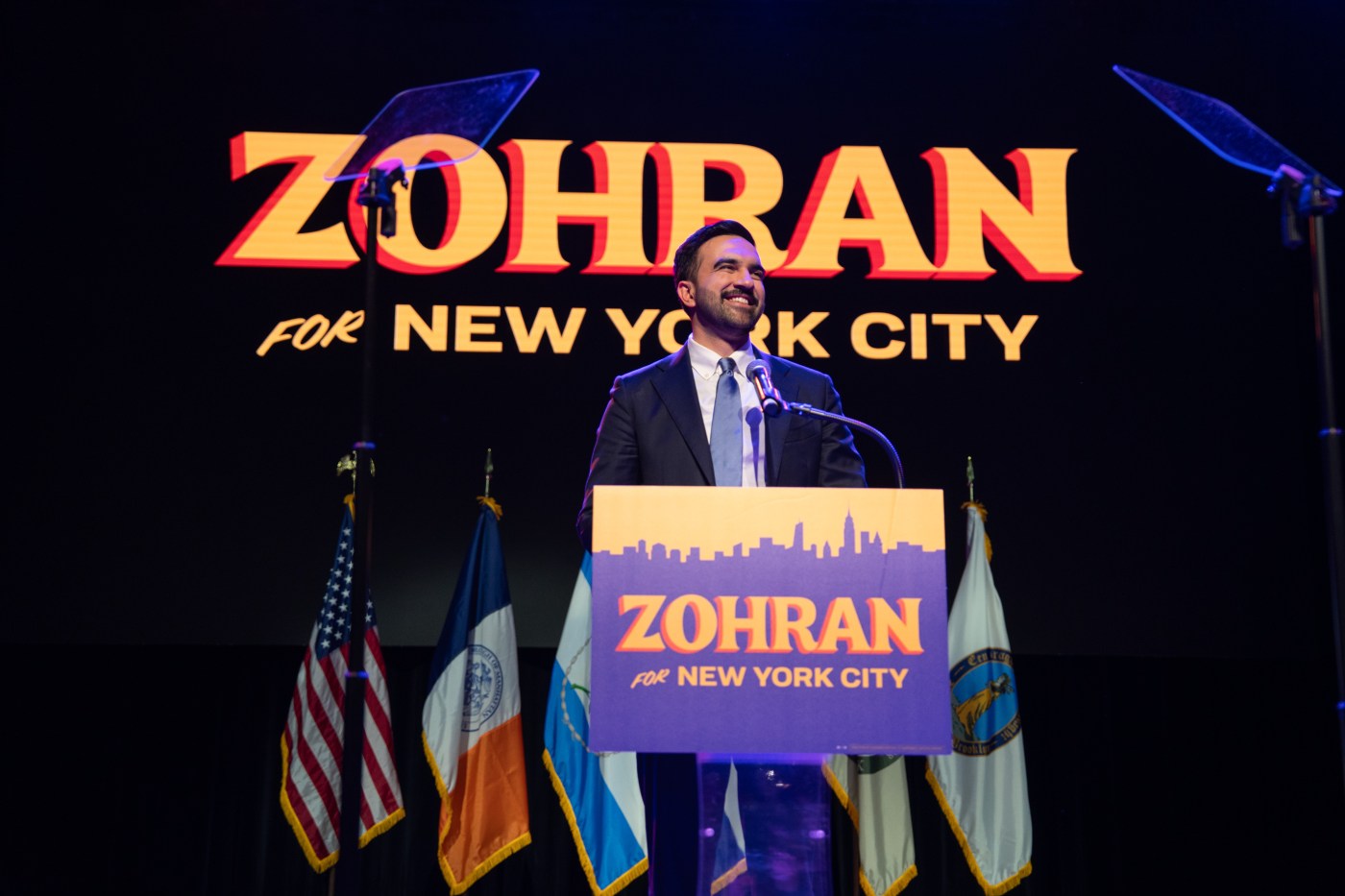
Zohran Mamdani’s recent victory in the New York City mayoral election has sparked a wave of political discourse, yet one essential factor contributing to his success remains underexplored: the city’s public matching funds program. Established nearly four decades ago, this initiative serves as a crucial counterbalance to the influence of significant financial contributions in politics, particularly in the aftermath of the *Citizens United* ruling.
Under this program, candidates receive $8 for every $1 donated by individual residents of New York City, with a cap of $250 per donor. This matching ratio enabled Mamdani to fully utilize the campaign spending limits in both the primary and general elections, allowing him to focus on garnering votes rather than constantly fundraising.
The program’s impact was evident when Mamdani encouraged his supporters to refrain from additional donations, a rare move in political campaigns. Notably, other prominent candidates, including former Governor Andrew Cuomo and outgoing Mayor Eric Adams, also participated in the matching funds program. This participation created a competitive environment where all candidates were incentivized to engage with small-dollar donors, broadening their appeal beyond wealthy contributors.
The fundraising efforts of the candidates illustrate the effectiveness of the matching funds program. Mamdani and Cuomo together amassed a remarkable total of 52,560 small donations and 7,772 respectively. In terms of total funds raised, the candidates reported figures of $6.7 million for Adams, $6 million for Cuomo, $4 million for Mamdani, and $1.5 million for Sliwa, culminating in substantial public matching funds of approximately $13.1 million for Mamdani, $8 million for Cuomo, and $5.3 million for Sliwa. Adams, however, received no public funds due to issues related to documentation and legal compliance.
The challenge of navigating campaign finance regulations became especially apparent for Adams, whose campaign was found ineligible for matching funds by the Campaign Finance Board for failing to submit adequate documentation and for potential legal violations. No candidate is automatically entitled to public funds; adherence to established rules is mandatory.
Mamdani’s campaign benefitted greatly from the financial support provided by the matching funds, which allowed him to build visibility and momentum throughout the election cycle. His grassroots movement effectively harnessed the power of small donors, raising nearly seven times more from this group compared to larger contributors. Despite facing significant super PAC spending favoring Cuomo, Mamdani’s ability to raise substantial public funding ensured he remained competitive.
This election cycle highlighted the importance of small-dollar contributions. While traditional financial backing from wealthy individuals and organizations remains influential, Mamdani’s success illustrates that public matching funds can empower candidates to challenge entrenched interests in politics. The sustained participation of everyday New Yorkers in the electoral process underscores the transformative potential of the matching funds program, which has historically increased both candidate diversity and civic engagement.
The results of the election further emphasize the impact of the matching funds initiative. Mamdani received over five times as many small contributions as Cuomo, demonstrating that even in a landscape dominated by substantial campaign financing, grassroots efforts can yield significant results.
As political landscapes continue to evolve, the role of matching funds in fostering accountability and transparency remains critical. It provides a pathway for candidates who may lack access to wealthy donors to effectively compete in elections. While individual candidate qualities, policy positions, and messaging are vital to campaign success, the financial dynamics facilitated by matching funds present a formidable opportunity for insurgent candidates to secure victories against well-funded opponents.
The insights from this electoral cycle reaffirm the need for robust campaign finance systems that promote inclusivity and support the democratic process. The ongoing discussion surrounding Mamdani’s victory will likely influence future campaigns, as the interplay between money and politics continues to shape the landscape of New York City and beyond.

Urgent Study Reveals Shark Teeth Insights to Combat Extinction

Church Members Rally Together After Thanksgiving Day Fire

Trump Promises to Release MRI Results from October Scan

U.S. Investors Boost Canadian Oil Firms Despite Falling Prices

Nick Jonas Unveils Solo Album Title and Release Date at Las Vegas Brunch

Researchers Call for Low-Alcohol Drink Label Changes for Pregnant Women

Community Aims for Record in World’s Largest Christmas Cookie Exchange

Mayor Appoints Alan Wong to District 4 Supervisor Position

Mayor Names Alan Wong as New District 4 Supervisor Amid Controversy

University of Hawaiʻi at Mānoa Joins $25.6M AI Initiative for Disaster Monitoring

IROS 2025 to Showcase Cutting-Edge Robotics Innovations in China

ALMA Discovers Companion Orbiting Red Giant Star π 1 Gruis

Stone Island’s Logo Worn by Extremists Sparks Brand Dilemma

Startup Liberate Bio Secures $31 Million for Next-Gen Therapies

Bravo Company Veterans Honored with Bronze Medals After 56 Years

Mary Morgan Jackson Crowned Little Miss National Peanut Festival 2025

Judge Considers Dismissal of Chelsea Housing Case Citing AI Flaws

Top Hyaluronic Acid Serums for Radiant Skin in 2025
-
Science4 weeks ago
University of Hawaiʻi at Mānoa Joins $25.6M AI Initiative for Disaster Monitoring
-
 Science2 months ago
IROS 2025 to Showcase Cutting-Edge Robotics Innovations in China
-
 Science2 weeks ago
ALMA Discovers Companion Orbiting Red Giant Star π 1 Gruis
-
 Lifestyle2 months ago
Stone Island’s Logo Worn by Extremists Sparks Brand Dilemma
-
 Health2 months ago
Startup Liberate Bio Secures $31 Million for Next-Gen Therapies
-
 World2 months ago
Bravo Company Veterans Honored with Bronze Medals After 56 Years
-
 Lifestyle2 months ago
Mary Morgan Jackson Crowned Little Miss National Peanut Festival 2025
-
 Politics2 months ago
Judge Considers Dismissal of Chelsea Housing Case Citing AI Flaws
-
 Health2 months ago
Top Hyaluronic Acid Serums for Radiant Skin in 2025
-

 Sports2 months ago
Yamamoto’s Mastery Leads Dodgers to 5-1 Victory in NLCS Game 2
-

 Science2 months ago
Arizona State University Transforms Programming Education Approach
-

 Sports2 months ago
Mel Kiper Jr. Reveals Top 25 Prospects for 2026 NFL Draft