
Politics
Oxford Chancellor Outlines Plan to Combat Antisemitism and Enhance Free Speech


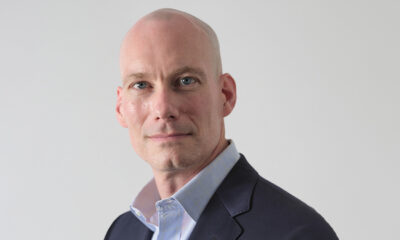
Lord Hague, Chancellor of the University of Oxford, recently addressed the Oxford Chabad Society, outlining his plan to address the rising tide of antisemitism and promote a culture of free speech. His remarks come in the wake of a troubling attack on the Heaton Park synagogue in Manchester, which he cited as a stark reminder of the deepening societal issues surrounding antisemitism in the UK.
In his address, Lord Hague emphasized the importance of a responsible approach to free speech, stating, “Oxford is a home of free speech within the law, coupled with the understanding that such rights involve a duty to listen to and include others.” He underscored the necessity of recognizing that the expression of ideas should not come at the expense of others’ safety or dignity.
Rising Antisemitism and Societal Challenges
The Chancellor highlighted alarming statistics regarding antisemitism, noting that since October 7th, incidents have doubled across the UK. According to recent reports, one in three British Jews experienced at least one antisemitic incident last year, with a threefold increase in those feeling unsafe in their own communities. Lord Hague pointed out that these figures are not just numbers; they reflect a broader societal crisis.
While acknowledging the right to critique the Israeli government, he warned against crossing into antisemitism. He referenced the words of former Israeli Prime Minister Ehud Olmert, who stated, “You don’t need to be antisemitic to be against the current Israeli Government.” However, Lord Hague noted that the line is often blurred, as many protesters have devolved into denying Israel’s right to exist or supporting terrorist organizations, which exacerbates an already tense atmosphere.
The Chancellor connected contemporary antisemitic sentiments to historical precedents, drawing parallels to how societal dysfunction often manifests through scapegoating minority groups. He referenced the late Chief Rabbi Jonathan Sacks, who argued that rising antisemitism is a warning sign of societal breakdown.
Transforming Free Speech and Addressing Extremism
Lord Hague identified three key trends fueling extremism and antisemitism in the UK. The first is the disconnect between the right to free speech and the responsibility that accompanies it. He criticized the shift from “respectful listening” to what he termed “abusive broadcast,” where individuals prioritize inflammatory remarks over constructive dialogue.
He stressed that universities should foster environments that encourage diverse viewpoints without resorting to hostility. “Freedom of speech is not just about saying what you want; it’s about creating a space where ideas can be debated respectfully,” he noted.
The second trend he pointed out is the rise of emotional reasoning and a polarized mindset, particularly among younger generations. Drawing from insights in the book The Coddling of the American Mind by Jonathan Haidt and Greg Lukianoff, he warned that this mentality dismisses opposing views and fosters division.
The third trend involves the role of social media in amplifying hate and disinformation. Algorithms designed to maximize user engagement often propagate divisive content, creating echo chambers that hinder respectful discourse. Lord Hague cited findings from the Centre for Countering Digital Hate, which reported a staggering 679,000 antisemitic posts on X (formerly Twitter) in 2024 alone.
To combat these trends, Lord Hague proposed several initiatives, including enhancing police powers to manage protests more effectively. He also called for educational reforms to instill critical thinking and resilience in young people, countering the pervasive narratives of fragility and victimhood.
The Chancellor concluded with a call for renewed commitment from government, institutions, and civil society to tackle the root causes of antisemitism and extremism. He emphasized that “working together, we can restore civility to civil society,” reiterating the importance of respectful dialogue as the foundation of a free and democratic society.
In summary, Lord Hague’s address reflects a growing recognition of the need to confront antisemitism head-on while ensuring that free speech thrives in a responsible and inclusive manner. The challenges ahead are significant, but they are not insurmountable with collective action and a commitment to understanding one another.

Church Members Rally Together After Thanksgiving Day Fire

Trump Promises to Release MRI Results from October Scan

U.S. Investors Boost Canadian Oil Firms Despite Falling Prices

Nick Jonas Unveils Solo Album Title and Release Date at Las Vegas Brunch

Researchers Call for Low-Alcohol Drink Label Changes for Pregnant Women

Community Aims for Record in World’s Largest Christmas Cookie Exchange

Mayor Appoints Alan Wong to District 4 Supervisor Position

Mayor Names Alan Wong as New District 4 Supervisor Amid Controversy

South Korea Takes Urgent Action to Stabilize FX Market

University of Hawaiʻi at Mānoa Joins $25.6M AI Initiative for Disaster Monitoring

IROS 2025 to Showcase Cutting-Edge Robotics Innovations in China

ALMA Discovers Companion Orbiting Red Giant Star π 1 Gruis

Stone Island’s Logo Worn by Extremists Sparks Brand Dilemma

Startup Liberate Bio Secures $31 Million for Next-Gen Therapies

Bravo Company Veterans Honored with Bronze Medals After 56 Years

Mary Morgan Jackson Crowned Little Miss National Peanut Festival 2025

Judge Considers Dismissal of Chelsea Housing Case Citing AI Flaws

Top Hyaluronic Acid Serums for Radiant Skin in 2025
-
Science4 weeks ago
University of Hawaiʻi at Mānoa Joins $25.6M AI Initiative for Disaster Monitoring
-
 Science2 months ago
IROS 2025 to Showcase Cutting-Edge Robotics Innovations in China
-
 Science2 weeks ago
ALMA Discovers Companion Orbiting Red Giant Star π 1 Gruis
-
 Lifestyle2 months ago
Stone Island’s Logo Worn by Extremists Sparks Brand Dilemma
-
 Health2 months ago
Startup Liberate Bio Secures $31 Million for Next-Gen Therapies
-
 World2 months ago
Bravo Company Veterans Honored with Bronze Medals After 56 Years
-
 Lifestyle2 months ago
Mary Morgan Jackson Crowned Little Miss National Peanut Festival 2025
-
 Politics2 months ago
Judge Considers Dismissal of Chelsea Housing Case Citing AI Flaws
-
 Health2 months ago
Top Hyaluronic Acid Serums for Radiant Skin in 2025
-

 Sports2 months ago
Yamamoto’s Mastery Leads Dodgers to 5-1 Victory in NLCS Game 2
-

 Science2 months ago
Arizona State University Transforms Programming Education Approach
-

 Sports2 months ago
Mel Kiper Jr. Reveals Top 25 Prospects for 2026 NFL Draft