
Politics
Social Media Faces New Challenges Under Elon Musk’s Leadership

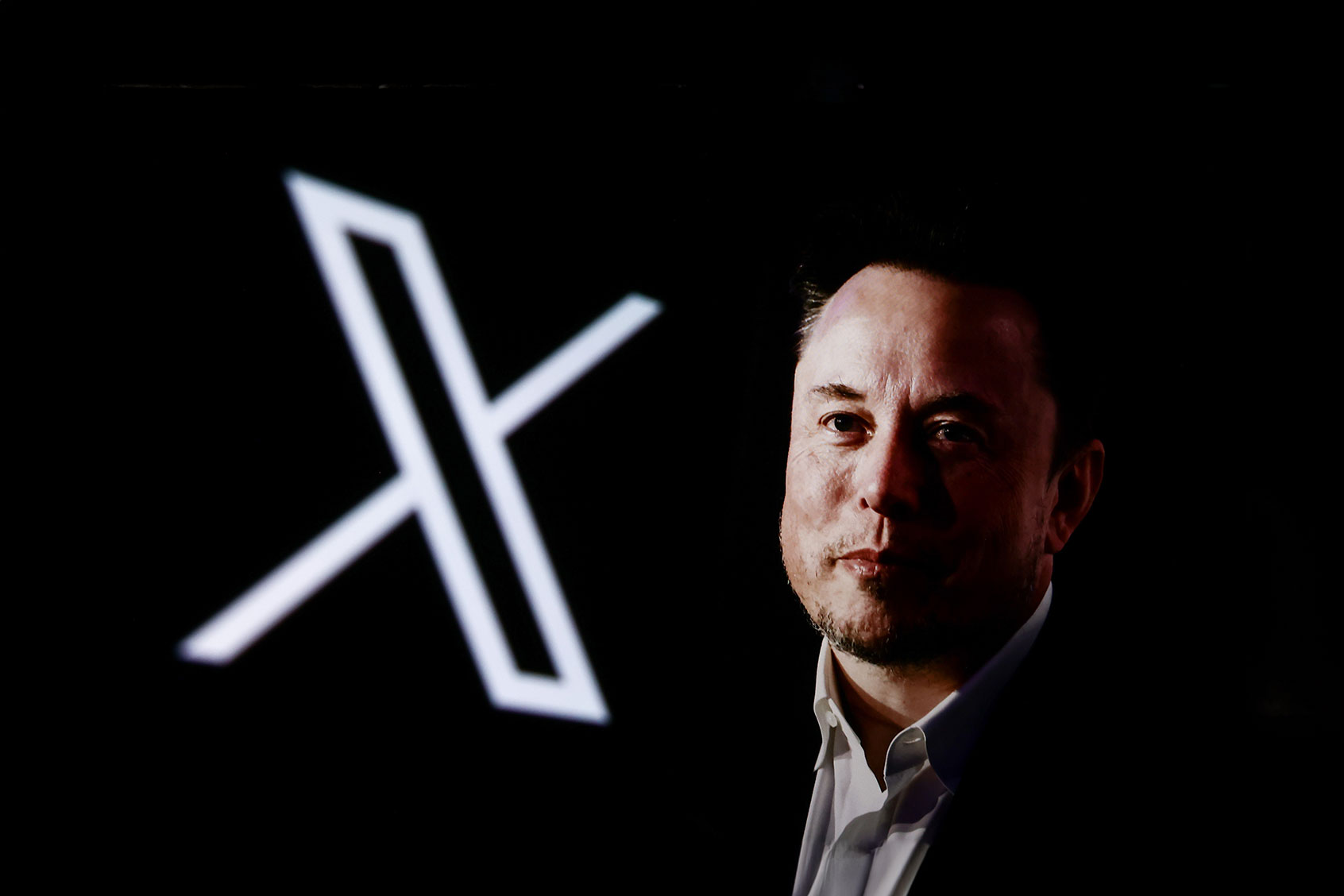
The landscape of social media is undergoing significant scrutiny, particularly in the wake of actions taken by Elon Musk since his acquisition of Twitter, now rebranded as X. Musk’s decisions have drawn attention to the platform’s role in disseminating misinformation and the resurgence of previously banned accounts, raising questions about the integrity of online discourse.
In 2014, Buzzfeed News highlighted the activities of the Internet Research Agency, a Russian organization that orchestrated a sophisticated propaganda campaign across social media. The agency’s operatives utilized multiple accounts on platforms like Facebook and Twitter to manipulate American political conversations. Despite nearly two decades of awareness regarding foreign interference, the United States continues to grapple with the implications of these tactics, as fraudulent accounts proliferate unchecked.
Following Musk’s takeover in 2022, he reinstated various accounts previously banned for promoting hate speech and disinformation, including that of former President Donald Trump. A recent analysis by CNN of 56 pro-Trump accounts on X uncovered a “systematic pattern of inauthentic behavior,” with some accounts displaying verified blue check marks despite being fraudulent. This highlights the challenges facing the platform in verifying user identities and combating misinformation.
Under Musk’s direction, X has dismantled many safeguards that were in place to combat the spread of falsehoods. The platform’s monetization strategy increasingly relies on user engagement, often driven by sensationalized content surrounding cultural issues. This approach has created a cycle of outrage that fuels user interaction, complicating efforts to maintain a civil online environment.
Significantly, in October 2024, as tensions arose within Trump’s support base following controversial events, X’s head of product, Nikita Bier, proposed a new feature aimed at exposing the locations of users. This initiative gained traction after Katie Pavlich, a conservative commentator, publicly urged Musk to address the issue of foreign bots disrupting American society. Bier responded with a commitment to implement changes within 72 hours.
The rollout of this feature, however, was marred by technical errors and raised concerns about privacy. Prominent conservative figures, including Florida Governor Ron DeSantis and influencer Dave Rubin, praised the initiative, even as it revealed that several major accounts were operating from Nigeria. The system’s inherent vulnerabilities have drawn criticism, particularly from journalists covering authoritarian regimes, as inaccuracies in location data could expose them to danger.
The implications of these developments extend beyond individual users. A decade ago, political commentators relied heavily on Twitter for real-time news and analysis. As X continues to grapple with the fallout from Musk’s management style, journalists remain particularly vulnerable to the effects of inauthentic accounts and misinformation.
Other social media platforms are not immune to similar challenges. Testimony from Vaishnavi Jayakumar, former head of safety and well-being at Meta, revealed that Instagram had a lenient policy regarding accounts engaging in human trafficking, allowing multiple violations before action was taken. This raises concerns about the effectiveness of current moderation practices, particularly regarding the safety of users and the mental health implications associated with social media use.
Meta’s internal studies reportedly established a correlation between social media use and mental health issues, including anxiety and depression. Despite this evidence, the company allegedly opted to prioritize profitability over user safety, effectively sidelining potential solutions to address these pressing concerns.
As social media platforms continue to prioritize engagement and growth, the potential for misinformation and harmful content remains high. There is a growing consensus that effective regulatory reform is necessary to establish clear guidelines and safeguard user experiences. Relying solely on the platforms to self-regulate has proven inadequate; substantial change is required to ensure that the systems designed for engagement do not compromise safety and transparency.

Church Members Rally Together After Thanksgiving Day Fire

Trump Promises to Release MRI Results from October Scan

U.S. Investors Boost Canadian Oil Firms Despite Falling Prices

Nick Jonas Unveils Solo Album Title and Release Date at Las Vegas Brunch

Researchers Call for Low-Alcohol Drink Label Changes for Pregnant Women

Community Aims for Record in World’s Largest Christmas Cookie Exchange

Mayor Appoints Alan Wong to District 4 Supervisor Position

Mayor Names Alan Wong as New District 4 Supervisor Amid Controversy

South Korea Takes Urgent Action to Stabilize FX Market

University of Hawaiʻi at Mānoa Joins $25.6M AI Initiative for Disaster Monitoring

IROS 2025 to Showcase Cutting-Edge Robotics Innovations in China

ALMA Discovers Companion Orbiting Red Giant Star π 1 Gruis

Stone Island’s Logo Worn by Extremists Sparks Brand Dilemma

Startup Liberate Bio Secures $31 Million for Next-Gen Therapies

Bravo Company Veterans Honored with Bronze Medals After 56 Years

Mary Morgan Jackson Crowned Little Miss National Peanut Festival 2025

Judge Considers Dismissal of Chelsea Housing Case Citing AI Flaws

Top Hyaluronic Acid Serums for Radiant Skin in 2025
-
Science4 weeks ago
University of Hawaiʻi at Mānoa Joins $25.6M AI Initiative for Disaster Monitoring
-
 Science2 months ago
IROS 2025 to Showcase Cutting-Edge Robotics Innovations in China
-
 Science2 weeks ago
ALMA Discovers Companion Orbiting Red Giant Star π 1 Gruis
-
 Lifestyle2 months ago
Stone Island’s Logo Worn by Extremists Sparks Brand Dilemma
-
 Health2 months ago
Startup Liberate Bio Secures $31 Million for Next-Gen Therapies
-
 World2 months ago
Bravo Company Veterans Honored with Bronze Medals After 56 Years
-
 Lifestyle2 months ago
Mary Morgan Jackson Crowned Little Miss National Peanut Festival 2025
-
 Politics2 months ago
Judge Considers Dismissal of Chelsea Housing Case Citing AI Flaws
-
 Health2 months ago
Top Hyaluronic Acid Serums for Radiant Skin in 2025
-

 Sports2 months ago
Yamamoto’s Mastery Leads Dodgers to 5-1 Victory in NLCS Game 2
-

 Science2 months ago
Arizona State University Transforms Programming Education Approach
-

 Sports2 months ago
Mel Kiper Jr. Reveals Top 25 Prospects for 2026 NFL Draft