
Politics
Trump’s Epstein Decision Sparks Congressional Backlash and Debate

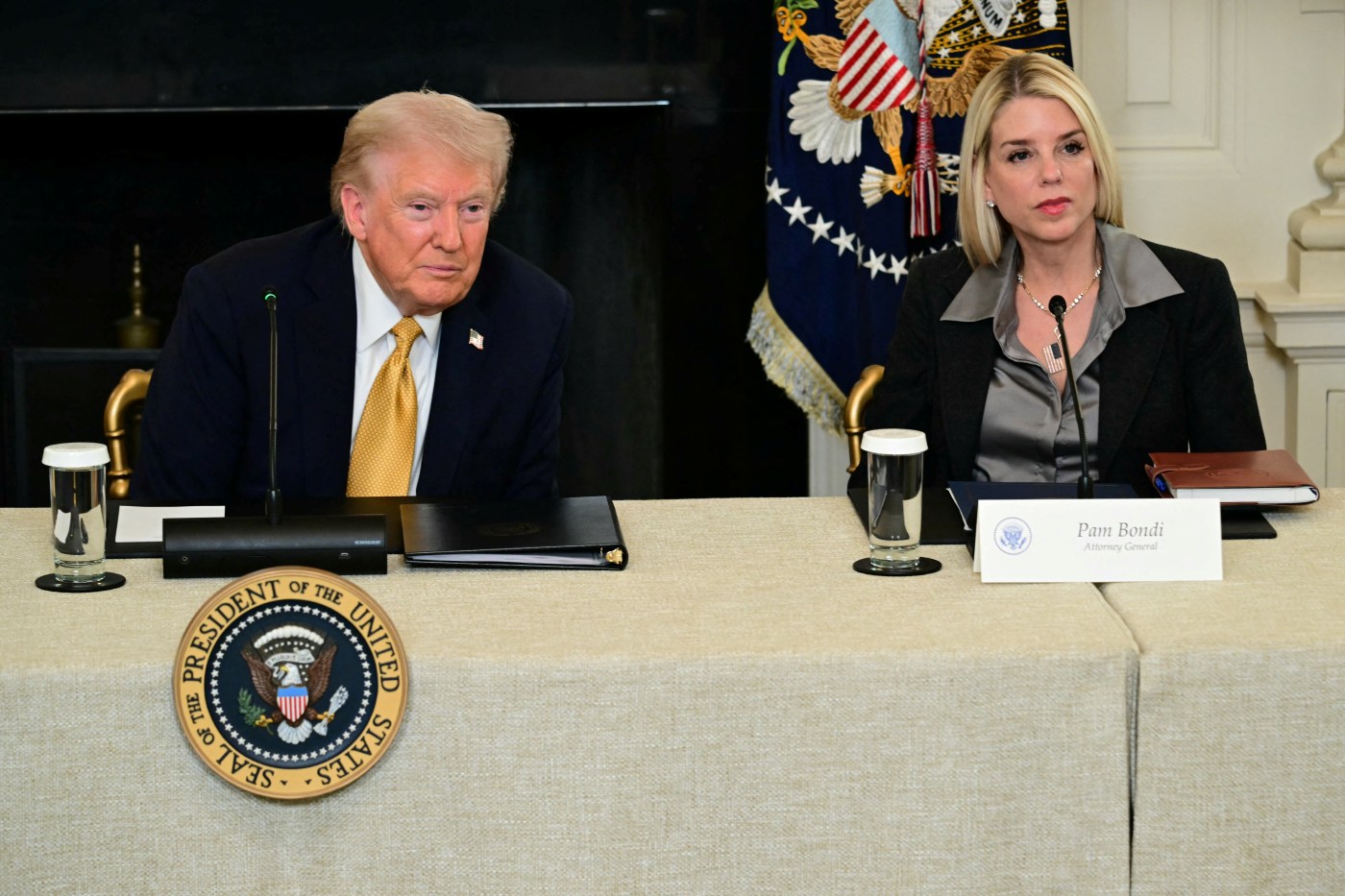
President Donald Trump’s recent decision to support the release of the Epstein files has led to a swift and surprising shift among Republicans in Congress. In a near-unanimous vote, lawmakers approved the public release of the files, despite only days earlier expressing a preference to keep them sealed. This abrupt change raises questions about the independence of the legislative branch and highlights troubling trends in American democracy.
The Founding Fathers established three separate branches of government: the legislative, judicial, and executive. Each was designed to function independently, with the legislative branch responsible for lawmaking. However, Trump’s influence appears to have eroded this principle. Once he indicated his support for disclosing the Epstein files, Republican lawmakers quickly aligned themselves with his stance, undermining their role as an independent body.
Concerns Over Democratic Integrity
This episode is more than a political maneuver; it reflects a concerning trend toward democratic decay. The principles of checks and balances, integral to the U.S. Constitution, depend on the strength and integrity of each branch of government. Instead, the congressional response has demonstrated inconsistency and a willingness to abandon democratic norms for political expediency.
“What we witnessed instead was a display of weakness, inconsistency and rank hypocrisy.”
Critics argue that the rapid shift in Congress illustrates a capitulation to Trump’s leadership rather than an exercise of independent judgment. The implications of this behavior extend beyond this single incident, suggesting a broader vulnerability within the democratic framework.
Impact on Governance and Public Perception
Some observers speculate that Trump’s agreement to release the files indicates a calculated move to cleanse potential damaging information before it reaches the public. After months of silence, his sudden endorsement of transparency raises eyebrows regarding the integrity of the information to be released. Critics accuse the administration of manipulating public perception while obscuring the truth.
As discussions around the Epstein files continue, the implications for governance become increasingly evident. Concerns regarding accountability and ethical decision-making resonate among constituents, reflecting a growing dissatisfaction with perceived collusion to protect political interests. The fallout from this decision may influence public trust in both the executive and legislative branches moving forward.
In related news, the historic Cotton Club, a landmark in Harlem’s cultural legacy, has officially entered the market for sale. This presents a unique opportunity for meaningful reinvestment and cultural preservation in New York City. Stakeholders are now considering how to honor the club’s rich history while revitalizing the area.
Additionally, discussions surrounding the role of the NYPD under Commissioner Jessica Tisch have drawn attention. Some community members are calling for a more comprehensive approach to policing that prioritizes community engagement and accountability. The pushback against the editorial board’s stance on police policy reflects broader societal concerns regarding law enforcement and its relationship with diverse communities.
As these various issues unfold, they highlight the complexities of governance and the importance of maintaining a vigilant democratic framework. The actions of political leaders will continue to shape public perception and influence the future direction of American democracy.

Urgent Study Reveals Shark Teeth Insights to Combat Extinction

Church Members Rally Together After Thanksgiving Day Fire

Trump Promises to Release MRI Results from October Scan

U.S. Investors Boost Canadian Oil Firms Despite Falling Prices

Nick Jonas Unveils Solo Album Title and Release Date at Las Vegas Brunch

Researchers Call for Low-Alcohol Drink Label Changes for Pregnant Women

Community Aims for Record in World’s Largest Christmas Cookie Exchange

Mayor Appoints Alan Wong to District 4 Supervisor Position

Mayor Names Alan Wong as New District 4 Supervisor Amid Controversy

University of Hawaiʻi at Mānoa Joins $25.6M AI Initiative for Disaster Monitoring

IROS 2025 to Showcase Cutting-Edge Robotics Innovations in China

ALMA Discovers Companion Orbiting Red Giant Star π 1 Gruis

Stone Island’s Logo Worn by Extremists Sparks Brand Dilemma

Startup Liberate Bio Secures $31 Million for Next-Gen Therapies

Bravo Company Veterans Honored with Bronze Medals After 56 Years

Mary Morgan Jackson Crowned Little Miss National Peanut Festival 2025

Judge Considers Dismissal of Chelsea Housing Case Citing AI Flaws

Top Hyaluronic Acid Serums for Radiant Skin in 2025
-
Science4 weeks ago
University of Hawaiʻi at Mānoa Joins $25.6M AI Initiative for Disaster Monitoring
-
 Science2 months ago
IROS 2025 to Showcase Cutting-Edge Robotics Innovations in China
-
 Science2 weeks ago
ALMA Discovers Companion Orbiting Red Giant Star π 1 Gruis
-
 Lifestyle2 months ago
Stone Island’s Logo Worn by Extremists Sparks Brand Dilemma
-
 Health2 months ago
Startup Liberate Bio Secures $31 Million for Next-Gen Therapies
-
 World2 months ago
Bravo Company Veterans Honored with Bronze Medals After 56 Years
-
 Lifestyle2 months ago
Mary Morgan Jackson Crowned Little Miss National Peanut Festival 2025
-
 Politics2 months ago
Judge Considers Dismissal of Chelsea Housing Case Citing AI Flaws
-
 Health2 months ago
Top Hyaluronic Acid Serums for Radiant Skin in 2025
-

 Sports2 months ago
Yamamoto’s Mastery Leads Dodgers to 5-1 Victory in NLCS Game 2
-

 Science2 months ago
Arizona State University Transforms Programming Education Approach
-

 Sports2 months ago
Mel Kiper Jr. Reveals Top 25 Prospects for 2026 NFL Draft