
Science
Discover the Night Sky: Your Guide to Telescope Adventures

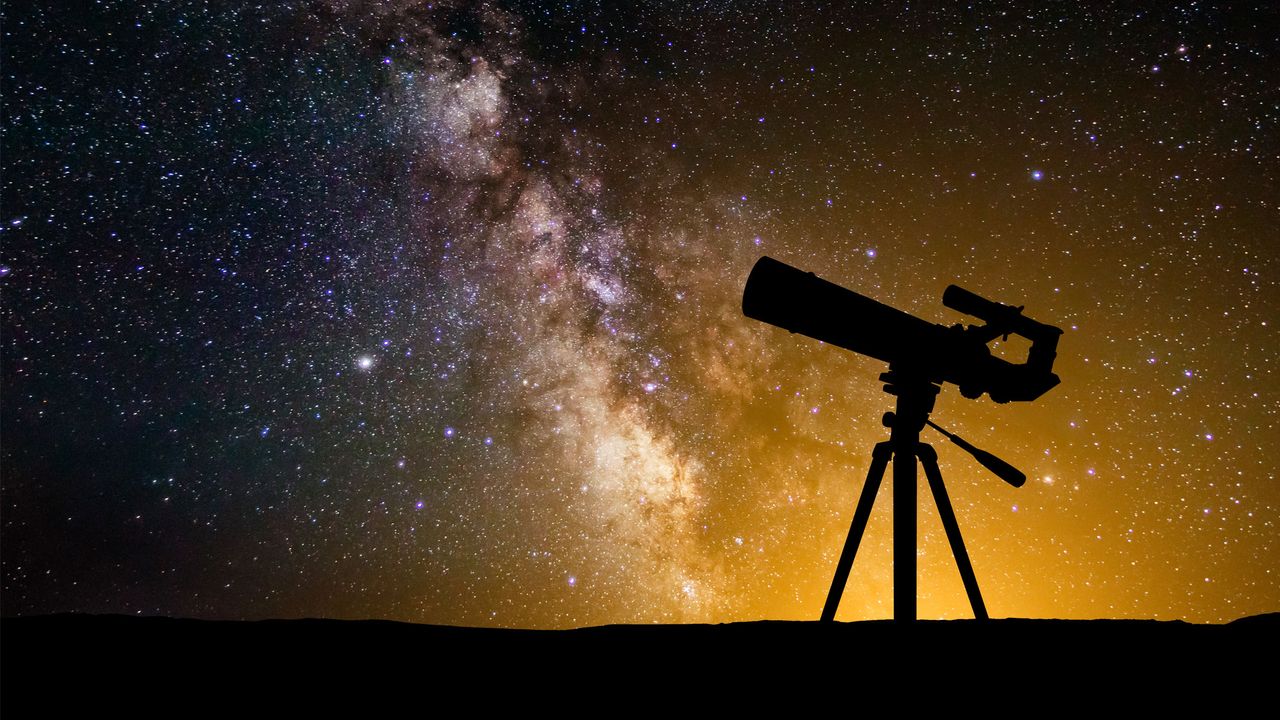
With a telescope newly unboxed this festive season, enthusiasts are poised to explore the cosmos. From December 2025 into January 2026, celestial wonders such as a waxing crescent moon and the vibrant planet Jupiter will be prominent in the evening sky. This period offers a unique opportunity for both novice astronomers and seasoned stargazers to dive into the world of astronomy.
Getting Started with Your Telescope
Before embarking on your stargazing journey, ensure your telescope is properly set up during daylight. Follow the assembly instructions carefully, taking the time to familiarize yourself with the various knobs and levers. Level the tripod and align the finder scope using a distant object, such as a tree. This preparatory step is crucial, as an aligned finder will make locating celestial objects much easier once night falls.
The last week of December is particularly opportune for observing the moon. As it waxes into a crescent, it will be visible shortly after sunset, making it accessible for early evening viewing. Most beginner telescopes come equipped with two eyepieces: 10mm and 25mm. Start with the 25mm eyepiece for a broader field of view, which is helpful for locating the moon. Once found, switch to the 10mm eyepiece to enhance the details of the moon’s surface, focusing on the terminator—the line between light and shadow.
Navigating the Winter Night Sky
The winter sky is filled with notable constellations and deep-sky objects. Understanding these patterns can greatly enhance your ability to use the telescope effectively. In late December and January, constellations like Orion, Taurus, Auriga, and Gemini dominate the southeastern sky. Jupiter shines brightly within this region, acting as a guidepost for new telescope owners.
To locate Jupiter, look for the brightest object in the eastern sky that does not twinkle. This planet, reaching opposition on January 10, 2026, will be at its closest, largest, and brightest. Once located, center it in the finder and then switch to the 25mm eyepiece for a clearer view, followed by the 10mm eyepiece to see its distinct cloud bands and possibly up to four of its moons, including Ganymede and Europa.
For those in the Southern Hemisphere, the night sky offers its own unique sights. The Orion Nebula and the Pleiades cluster are excellent targets, alongside the stunning Carina Nebula. Familiarity with these constellations turns the overwhelming expanse of the sky into a navigable map, making it easier to locate intriguing objects over time.
Whether you are viewing Jupiter or the Orion Nebula, patience is essential. Avoid the temptation to rush ahead; instead, spend nights gradually building your skills and knowledge. Take advantage of clear nights, particularly during the new moon phase, when the sky is darkest, enhancing visibility.
As you explore the cosmos through your telescope, the experience will transform from an initial sense of overwhelming infinity into a familiar landscape. With perseverance and curiosity, the night sky will reveal its wonders, making the journey into astronomy a rewarding experience.

North Texas Secures Historic Bowl Win Over San Diego State, 49-47

Rising Star Choo Young Woo Shares Heartfelt Memories of First Love

Natural Gas Leak Shuts Down 5 Freeway in Castaic, Urgent Response Underway

Derrick Jones Jr. Set to Return Sunday for Clippers vs. Pistons

BYU Triumphs in Pop Tarts Bowl, Surges to Historic 12-Game Win

Spurs’ Wembanyama Returns, Fox Out Against Jazz in Key Matchup

French Salons Highlight 9 Timeless Haircuts for Effortless Elegance

New Jersey’s Safest Towns for 2025: Fort Lee and Edgewater Shine

Simu Liu Stars in Gripping Spy Thriller ‘The Copenhagen Test’

University of Hawaiʻi at Mānoa Joins $25.6M AI Initiative for Disaster Monitoring

New Gel Offers Hope for Regrowing Tooth Enamel in Dentistry

ALMA Discovers Companion Orbiting Red Giant Star π 1 Gruis

Park Jung Min’s Endearing Moment with Hwasa Steals Show at Awards

IROS 2025 to Showcase Cutting-Edge Robotics Innovations in China

Stone Island’s Logo Worn by Extremists Sparks Brand Dilemma

Sampson County Celebrates Susie Faison’s 100th Birthday Milestone

Mary Morgan Jackson Crowned Little Miss National Peanut Festival 2025

Startup Liberate Bio Secures $31 Million for Next-Gen Therapies
-
Science2 months ago
University of Hawaiʻi at Mānoa Joins $25.6M AI Initiative for Disaster Monitoring
-
 Health2 months ago
New Gel Offers Hope for Regrowing Tooth Enamel in Dentistry
-
 Science1 month ago
ALMA Discovers Companion Orbiting Red Giant Star π 1 Gruis
-
 Lifestyle1 month ago
Park Jung Min’s Endearing Moment with Hwasa Steals Show at Awards
-
 Science2 months ago
IROS 2025 to Showcase Cutting-Edge Robotics Innovations in China
-
 Lifestyle2 months ago
Stone Island’s Logo Worn by Extremists Sparks Brand Dilemma
-
 Lifestyle2 months ago
Sampson County Celebrates Susie Faison’s 100th Birthday Milestone
-
 Lifestyle2 months ago
Mary Morgan Jackson Crowned Little Miss National Peanut Festival 2025
-
 Health2 months ago
Startup Liberate Bio Secures $31 Million for Next-Gen Therapies
-

 Health2 months ago
Top Hyaluronic Acid Serums for Radiant Skin in 2025
-

 Politics2 months ago
Judge Considers Dismissal of Chelsea Housing Case Citing AI Flaws
-

 Science2 months ago
Arizona State University Transforms Programming Education Approach