
Top Stories
Stop Buying Cheap SSDs NOW: Risks to Your OS Revealed!

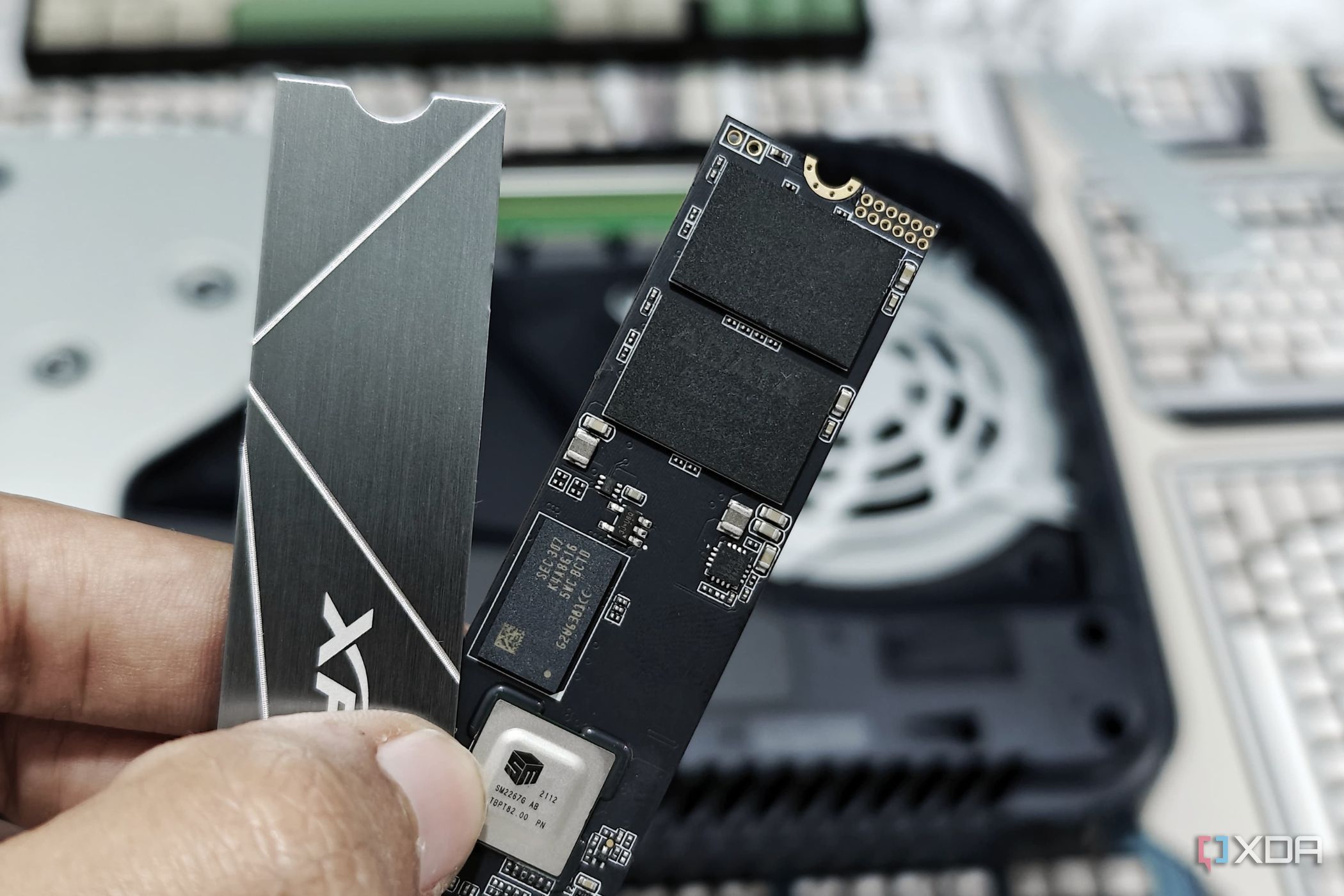
URGENT UPDATE: Experts are sounding the alarm on the dangers of using cheap SSDs for your operating system. As of October 2023, tech enthusiasts and professionals warn that budget SSDs may be tempting due to their marked-down prices, but their long-term impact on performance and data safety is alarming.
The latest data shows that many consumers are opting for low-cost SSDs to save money, but this could lead to disastrous consequences. Operating systems constantly read and write data, making a reliable SSD crucial. Skimping on quality can result in slow boot times, frustrating micro-stutters, and even catastrophic drive failures.
Recent findings indicate that budget SSDs frequently utilize low-quality NAND technology, such as QLC or cut-down TLC, which can wear out far quicker than expected. For example, standard 1 TB budget SSDs are typically rated for only 200-600 Terabytes Written (TBW). In contrast, mid-range models often exceed 1,000 TBW, leading to significantly longer drive life and better performance.
Furthermore, experts highlight a critical flaw in power loss resilience among cheaper SSDs. Many lack essential safeguards to protect data during unexpected power interruptions, whether from outages, faulty wiring, or thermal shutdowns. This vulnerability can corrupt not just user files but also vital metadata, resulting in severe boot issues and software instability.
In an official statement, one tech analyst noted,
“The risks associated with budget SSDs far outweigh the initial savings. For an OS, you must prioritize quality to avoid future headaches.”
Another crucial element is the absence of DRAM in many budget SSDs. Drives equipped with dedicated DRAM offer vastly superior performance compared to those relying on Host Memory Buffer (HMB). This architectural difference can drastically affect productivity in tasks involving large file operations and constant small writes. DRAM-equipped SSDs ensure smoother multitasking, faster boot times, and reduced wear and tear.
While some users argue, “It boots fast enough, and I can just replace it later,” the reality is that the process of reinstalling an OS and recovering lost data can be time-consuming and frustrating. The initial cost savings can spiral into significant downtime and additional expenses.
Experts recommend investing in a quality SSD for your operating system, emphasizing that this decision provides peace of mind that budget alternatives simply cannot guarantee. While cheap SSDs may suffice for cold storage or media libraries, they are ill-suited for the demands of an operating system.
As of now, consumers are urged to reconsider their purchasing decisions. The hardware market is evolving, and making informed choices is more critical than ever. Stay tuned for further updates on SSD technology and recommendations from industry experts.
For those in the market for an SSD, prioritize quality over cost to ensure a reliable and efficient computing experience. Share this urgent advisory with friends and family to help them avoid costly mistakes!

Urgent Discovery: 400+ Victorian-Era Shoes Wash Ashore in Wales

Houston’s Foucault Pendulum Stops Swinging for First Time Since 1970s

Arizona High School Football 2025: Top Passing Leaders Revealed

Former Teacher Reveals Disturbing Allegations Against Farage

TAZARA Railway Marks 50 Years Amid Promises of Revitalization

Creator Jacob Tierney Unveils Season 2 Plans for Heated Rivalry

Discover Hidden Added Sugars in Everyday Foods

Urgent Debate Sparks Over Wedding Gift Registries for Remarriages

Urgent Weather Update: Fog Clears for Afternoon Sunshine in NorCal

New Gel Offers Hope for Regrowing Tooth Enamel in Dentistry

University of Hawaiʻi at Mānoa Joins $25.6M AI Initiative for Disaster Monitoring

ALMA Discovers Companion Orbiting Red Giant Star π 1 Gruis

Park Jung Min’s Endearing Moment with Hwasa Steals Show at Awards

IROS 2025 to Showcase Cutting-Edge Robotics Innovations in China

Stone Island’s Logo Worn by Extremists Sparks Brand Dilemma

Sampson County Celebrates Susie Faison’s 100th Birthday Milestone

Mary Morgan Jackson Crowned Little Miss National Peanut Festival 2025

Startup Liberate Bio Secures $31 Million for Next-Gen Therapies
-
 Health2 months ago
New Gel Offers Hope for Regrowing Tooth Enamel in Dentistry
-
Science2 months ago
University of Hawaiʻi at Mānoa Joins $25.6M AI Initiative for Disaster Monitoring
-
 Science1 month ago
ALMA Discovers Companion Orbiting Red Giant Star π 1 Gruis
-
 Lifestyle1 month ago
Park Jung Min’s Endearing Moment with Hwasa Steals Show at Awards
-
 Science2 months ago
IROS 2025 to Showcase Cutting-Edge Robotics Innovations in China
-
 Lifestyle2 months ago
Stone Island’s Logo Worn by Extremists Sparks Brand Dilemma
-
 Lifestyle2 months ago
Sampson County Celebrates Susie Faison’s 100th Birthday Milestone
-
 Lifestyle2 months ago
Mary Morgan Jackson Crowned Little Miss National Peanut Festival 2025
-
 Health2 months ago
Startup Liberate Bio Secures $31 Million for Next-Gen Therapies
-

 Health2 months ago
Top Hyaluronic Acid Serums for Radiant Skin in 2025
-

 Science2 months ago
Arizona State University Transforms Programming Education Approach
-

 Politics2 months ago
Judge Considers Dismissal of Chelsea Housing Case Citing AI Flaws