
Science
Groundbreaking Protein Unlocks Insights into Brain Cell Communication

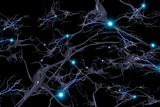
Advancements in neuroscience have reached a significant milestone with the development of a novel protein that enhances understanding of brain cell communication. Researchers at the Allen Institute and the Janelia Research Campus at the Howard Hughes Medical Institute have engineered a protein named iGluSnFR4, which allows scientists to monitor the chemical signals entering neurons. This breakthrough could transform the study of neurobiology and lead to new insights into various neurological conditions.
The complexity of the brain’s signaling mechanisms has long posed challenges for researchers. Traditionally, scientists have been limited to measuring the signals that neurons emit, rather than the chemical inputs they receive. The newly developed protein addresses this gap, enabling the detection of glutamate, a critical neurotransmitter involved in essential brain functions such as memory and cognition. The findings were published in a recent article in Nature Methods.
Understanding Neuronal Communication
To appreciate the significance of the iGluSnFR4 protein, it is essential to grasp the intricacies of neuronal communication. Neurons transmit electrical signals down their axons, which culminate in the release of neurotransmitters at their synapses. These neurotransmitters, particularly glutamate, facilitate communication between neurons by crossing synaptic gaps. The challenge has been that the chemical signals received by neurons are often too faint and transient to measure effectively.
As Kaspar Podgorski, a co-author of the study, explained, “Neuroscientists have good methods for measuring structural connections between neurons, but measuring what neurons communicate has proven difficult.” The iGluSnFR4 protein changes this dynamic by providing a clearer picture of the brain’s biochemical conversations.
Enhancing Measurement Capabilities
The latest research introduces two variants of the protein, iGluSnFR4f and iGluSnFR4s, which are designed to track rapid signals and those produced by larger groups of neurons, respectively. In experimental setups involving mouse brains, the proteins successfully indicated neuronal activity through a fluorescent signal visible under a microscope. This advancement not only enhances the ability to observe brain activity in real-time but also opens avenues for further research into how the brain processes information.
The implications of this work extend beyond basic neuroscience. Understanding glutamate signaling is crucial in addressing various neurological disorders, including schizophrenia and epilepsy. As Podgorski noted, “What we have invented here is a way of measuring information that comes into neurons from different sources, a critical part missing from neuroscience research.”
Future Directions
The introduction of the iGluSnFR4 protein marks a pivotal development in the field of neuroscience, offering researchers a powerful tool to investigate the complexities of brain function. By illuminating the interplay of signals between neurons, this innovation could significantly advance our understanding of how the brain operates and what happens when its signaling processes are disrupted.
As scientists continue to explore the depths of the brain’s hidden language, the potential for new discoveries and therapeutic strategies remains vast. The research team at the Allen Institute and the Janelia Research Campus is optimistic that their findings will pave the way for future breakthroughs in understanding and treating neurological disorders.

Yorkshire Ripper Captured: A Look Back on January 2, 1981

Trump and Epstein’s Relationship Crumbled Over Real Estate Deal

German Chamber of Commerce Calls for Fundamental Climate Policy Shift

Amplius Wealth Advisors Increases Stake in iShares TIPS ETF by 17,600%

Discover the Most Anticipated Video Games Set for 2026 Release

Sally Burton Faces New Health Challenge After Cancer Survival

Community Mourns the Passing of Lowell W. Smith, 93

Zohran Mamdani Sworn In as New York City Mayor at Historic Ceremony

Urgent Update: West Virginia Mine Explosion Claims 12 Lives

University of Hawaiʻi at Mānoa Joins $25.6M AI Initiative for Disaster Monitoring

New Gel Offers Hope for Regrowing Tooth Enamel in Dentistry

ALMA Discovers Companion Orbiting Red Giant Star π 1 Gruis

Park Jung Min’s Endearing Moment with Hwasa Steals Show at Awards

IROS 2025 to Showcase Cutting-Edge Robotics Innovations in China

Stone Island’s Logo Worn by Extremists Sparks Brand Dilemma

Sampson County Celebrates Susie Faison’s 100th Birthday Milestone

Startup Liberate Bio Secures $31 Million for Next-Gen Therapies

Mary Morgan Jackson Crowned Little Miss National Peanut Festival 2025
-
Science2 months ago
University of Hawaiʻi at Mānoa Joins $25.6M AI Initiative for Disaster Monitoring
-
 Health2 months ago
New Gel Offers Hope for Regrowing Tooth Enamel in Dentistry
-
 Science2 months ago
ALMA Discovers Companion Orbiting Red Giant Star π 1 Gruis
-
 Lifestyle1 month ago
Park Jung Min’s Endearing Moment with Hwasa Steals Show at Awards
-
 Science3 months ago
IROS 2025 to Showcase Cutting-Edge Robotics Innovations in China
-
 Lifestyle3 months ago
Stone Island’s Logo Worn by Extremists Sparks Brand Dilemma
-
 Lifestyle2 months ago
Sampson County Celebrates Susie Faison’s 100th Birthday Milestone
-
 Health3 months ago
Startup Liberate Bio Secures $31 Million for Next-Gen Therapies
-
 Lifestyle3 months ago
Mary Morgan Jackson Crowned Little Miss National Peanut Festival 2025
-

 Science3 months ago
Arizona State University Transforms Programming Education Approach
-

 Science2 months ago
Interstellar Comet 3I/ATLAS Approaches Sun, No Threat to Earth
-

 Health3 months ago
Top Hyaluronic Acid Serums for Radiant Skin in 2025