
Science
UC San Diego Engineer Secures Grant to Investigate Aging in Cells

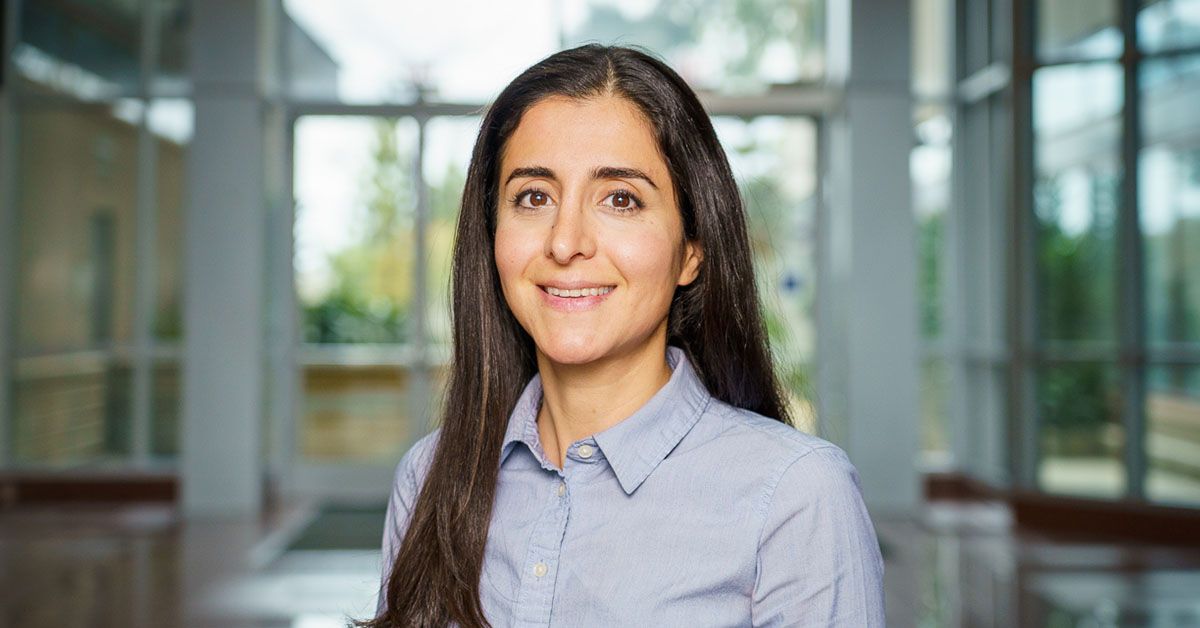
Professor Zeinab Jahed from the Aiiso Yufeng Li Family Department of Chemical and Nano Engineering at the University of California San Diego has been awarded a seed grant from the Hypothesis Fund. This funding will support her research into how aging affects brain and heart cells, specifically focusing on cells that do not divide, such as neurons and cardiomyocytes.
While much of the research surrounding aging has concentrated on dividing cells, those that remain post-mitotic exhibit significant signs of aging. Jahed posits that the aging process in these cells may be linked to the deterioration of the nuclear membrane, which serves as a protective barrier for a cell’s DNA. Her new project aims to investigate this hypothesis.
Research Methodology and Technology
Jahed’s team will employ cutting-edge nanotechnology developed in her lab to create and observe small ruptures in the nuclear membrane in real time. The technology utilizes an array of nanosized pillars that can gently breach the cell nucleus without harming the surrounding cell structure. When a cell is positioned atop this array, its nucleus conforms around the pillars, forming local curvatures in the nuclear membrane. These curvatures lead to the formation of tiny, self-sealing ruptures.
Researchers will analyze how well live cells manage to repair these ruptures and whether their repair capabilities decline with age. The study will focus on neurons and cardiomyocytes derived from established aging models at UC San Diego. Key metrics will include the frequency of nuclear ruptures, the speed of their repair, and the implications these events have on DNA damage, protein localization, and overall cell survival.
This research represents a pioneering effort to establish the first quantitative relationship between age and nuclear membrane integrity in non-dividing tissues. By comparing the cellular responses of young and old cells, the project aims to shift the understanding of aging from viewing nuclear damage merely as a consequence to recognizing it as a potential root cause, especially in cells that do not renew themselves.
Significance and Support
The findings from Jahed’s research could significantly alter the scientific community’s understanding of cellular aging. The Hypothesis Fund supports innovative early-stage research initiatives that might otherwise remain underfunded or overlooked through conventional funding routes. By encouraging bold ideas in basic research, the Fund plays a crucial role in advancing scientific knowledge.
As Jahed moves forward with this project, the implications of her findings could extend beyond academic interest, potentially influencing future therapeutic strategies aimed at countering age-related cellular decline.

BYU Triumphs in Pop Tarts Bowl, Surges to Historic 12-Game Win

Spurs’ Wembanyama Returns, Fox Out Against Jazz in Key Matchup

French Salons Highlight 9 Timeless Haircuts for Effortless Elegance

New Jersey’s Safest Towns for 2025: Fort Lee and Edgewater Shine

Simu Liu Stars in Gripping Spy Thriller ‘The Copenhagen Test’

Archbishop Williams Defeats Latin Academy at BABC Holiday Showcase

Security Warnings Ignored: Bondi Beach Attack Leaves 15 Dead

Stock Up on Home Goods Now to Avoid Price Hikes in 2026

Star Wars Outlaws Hits 70% Off in Steam Winter Sale – Act Now!

New Gel Offers Hope for Regrowing Tooth Enamel in Dentistry

University of Hawaiʻi at Mānoa Joins $25.6M AI Initiative for Disaster Monitoring

ALMA Discovers Companion Orbiting Red Giant Star π 1 Gruis

Park Jung Min’s Endearing Moment with Hwasa Steals Show at Awards

IROS 2025 to Showcase Cutting-Edge Robotics Innovations in China

Stone Island’s Logo Worn by Extremists Sparks Brand Dilemma

Sampson County Celebrates Susie Faison’s 100th Birthday Milestone

Mary Morgan Jackson Crowned Little Miss National Peanut Festival 2025

Startup Liberate Bio Secures $31 Million for Next-Gen Therapies
-
Science2 months ago
University of Hawaiʻi at Mānoa Joins $25.6M AI Initiative for Disaster Monitoring
-
 Health2 months ago
New Gel Offers Hope for Regrowing Tooth Enamel in Dentistry
-
 Science1 month ago
ALMA Discovers Companion Orbiting Red Giant Star π 1 Gruis
-
 Lifestyle1 month ago
Park Jung Min’s Endearing Moment with Hwasa Steals Show at Awards
-
 Science2 months ago
IROS 2025 to Showcase Cutting-Edge Robotics Innovations in China
-
 Lifestyle2 months ago
Stone Island’s Logo Worn by Extremists Sparks Brand Dilemma
-
 Lifestyle2 months ago
Sampson County Celebrates Susie Faison’s 100th Birthday Milestone
-
 Lifestyle2 months ago
Mary Morgan Jackson Crowned Little Miss National Peanut Festival 2025
-
 Health2 months ago
Startup Liberate Bio Secures $31 Million for Next-Gen Therapies
-

 Health2 months ago
Top Hyaluronic Acid Serums for Radiant Skin in 2025
-
 Science2 months ago
Arizona State University Transforms Programming Education Approach
-
 Politics2 months ago
Judge Considers Dismissal of Chelsea Housing Case Citing AI Flaws