
Politics
Americans Struggle with Housing Costs as Trump Proposes 50-Year Mortgage

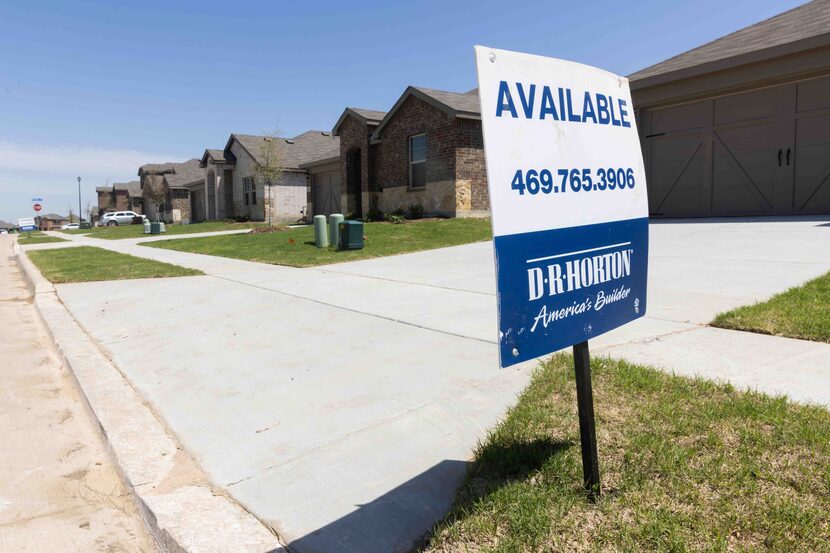
Americans are grappling with soaring living costs, particularly with housing and groceries, as highlighted during recent holiday gatherings. The current situation reflects a significant shift from previous years, with many first-time homebuyers facing a typical mortgage payment of approximately $2,500 per month. This figure is more than double the average payment from 2020, according to the Harvard University Joint Center for Housing Studies.
The rising costs can be attributed to multiple factors, including a shortage of housing, escalating property values, and increasing interest rates. While many are feeling the economic strain, President Donald Trump recently attempted to address the issue through a social media post, contrasting the traditional 30-year mortgage championed by Franklin Delano Roosevelt with a proposed 50-year mortgage. This informal suggestion has received considerable criticism for merely extending debt terms while potentially increasing overall interest payments.
Housing affordability has emerged as a pressing issue for politicians across the United States. While revisiting mortgage structures may sound appealing, the reality is that the solution lies in addressing the underlying supply and demand challenges. The federal government’s role in establishing the 30-year fixed mortgage post-Great Depression made homeownership accessible to a significant portion of the population. Yet, the current landscape suggests that solutions need to be more localized.
Efforts to improve housing availability are gaining traction at the state level. In 2025, over 100 laws were enacted across various states to facilitate home construction. Notably, Texas passed seven such laws with bipartisan support, as reported by Alex Horowitz, director of the Pew Charitable Trusts’ Housing Policy Initiative. Texas has historically benefitted from a lighter regulatory approach, making it comparatively more successful in expanding housing supply. However, even Texas is facing challenges, as affordability continues to decline.
Cities like Dallas present additional hurdles for developers, despite improvements in processing building permits. Complicated zoning regulations can deter construction, leading to costly delays and difficulties in bringing new housing projects to fruition. Simply advocating for development, such as the slogan “Build, baby, build,” will not suffice. A more effective approach would involve streamlining regulations to facilitate the construction of homes for individuals across various income levels.
As the conversation around housing affordability continues, it is crucial for local government officials and legislators to prioritize policies that promote increased housing supply. Tackling the issue at the state and city levels may provide a more immediate and effective path to alleviate the financial pressures faced by many Americans. The ongoing dialogue surrounding housing policy will likely remain central to political agendas, especially as the nation seeks solutions for its escalating living costs.

Robinhood Stock Surges 2.5% Today Amid Tech Market Recovery

Philadelphia’s Earth Month Kicks Off with Free Events in Parks

GSK’s Inhaler Decision Sparks Health Concerns for Children

Bradford’s Fish Fry Fridays Offer Community Spirit and Flavor

Speculation Rises on Shutdowns During Trump’s Potential Presidency

Samsung Galaxy Watch 9 to Feature Larger Battery, Report Reveals

Inventors Find New Purpose Through Unconventional Paths

UConn Huskies Aim for Back-to-Back Titles in 2026 NCAA Tournament

U.S. Mine Countermeasure Ships Dock in Malaysia for Logistics Stop

University of Hawaiʻi at Mānoa Joins $25.6M AI Initiative for Disaster Monitoring

$2.2 Million Boost for Cancer Research and Training in Hawaiʻi

ALMA Discovers Companion Orbiting Red Giant Star π 1 Gruis

Sacituzumab Govitecan Shows Promise for HR+/HER2− Breast Cancer

币安人生 Sees $15.92 Million in Trading Volume Amid Market Fluctuations

New Gel Offers Hope for Regrowing Tooth Enamel in Dentistry

CAVA Group Shares Surge 5.1% Amid Mixed Analyst Ratings

Christian Bale in Talks to Join Leonardo DiCaprio in Heat 2

Supreme Court to Review Birthright Citizenship for Children of Immigrants
-
Science9 months ago
University of Hawaiʻi at Mānoa Joins $25.6M AI Initiative for Disaster Monitoring
-
 Health8 months ago
$2.2 Million Boost for Cancer Research and Training in Hawaiʻi
-
 Science9 months ago
ALMA Discovers Companion Orbiting Red Giant Star π 1 Gruis
-
 Health7 months ago
Sacituzumab Govitecan Shows Promise for HR+/HER2− Breast Cancer
-
Politics5 months ago
币安人生 Sees $15.92 Million in Trading Volume Amid Market Fluctuations
-
 Health9 months ago
New Gel Offers Hope for Regrowing Tooth Enamel in Dentistry
-
 Business8 months ago
CAVA Group Shares Surge 5.1% Amid Mixed Analyst Ratings
-
 Entertainment9 months ago
Christian Bale in Talks to Join Leonardo DiCaprio in Heat 2
-
 Politics8 months ago
Supreme Court to Review Birthright Citizenship for Children of Immigrants
-

 Lifestyle9 months ago
Art Deco and Traditional Designs Set to Transform Homes in 2026
-

 Lifestyle8 months ago
Fernando Mendoza Secures Maxwell and O’Brien Awards Ahead of Heisman
-

 World8 months ago
Swiss Residents Reject 50% Inheritance Tax on Wealthy