
Health
Federal Reserve Faces Pressure as Oil Prices Surge to $120

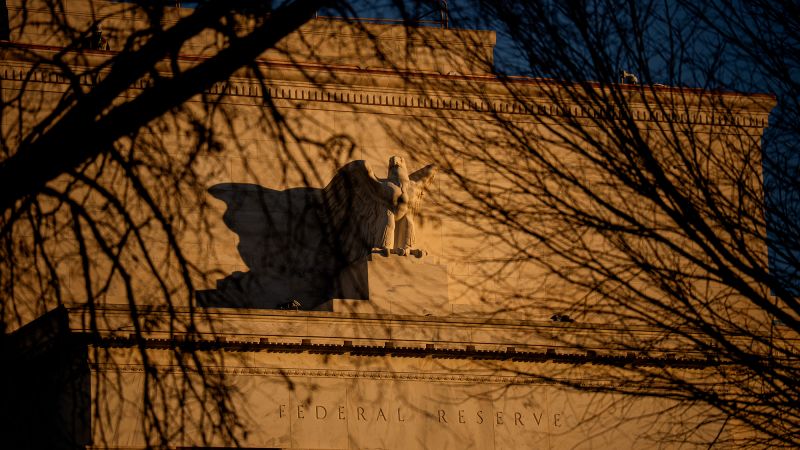
The Federal Reserve is confronted with a significant challenge as soaring oil prices threaten to impact the US economy. With West Texas Intermediate (WTI) crude oil prices briefly exceeding $120 per barrel last week, the potential for rising inflation and slowing economic growth looms large. As policymakers convene this week, they must navigate the complexities of the current oil crisis, which is attributed to escalating tensions stemming from President Donald Trump‘s actions against Iran.
Historical Context of Oil Crises
Past oil crises have tested the resilience of the US economy, but experts suggest that this situation is unique. Unlike in previous decades, the United States is now the world’s largest oil producer, significantly reducing its reliance on imported crude oil. Nevertheless, experts warn that the disruption to global energy markets is more severe this time. According to Nicholas Mulder, a history professor at Cornell University, the current crisis involves approximately 20 million barrels of Gulf oil production being compromised, a stark contrast to the 4.5 million barrels affected during the 1973 oil embargo.
The 1973 crisis began when Egypt and Syria launched a surprise attack on Israel, leading to an oil embargo by Arab members of the Organization of Petroleum Exporting Countries (OPEC). The repercussions were felt across the US economy, which depended heavily on foreign oil. In response to the crisis, then-Fed Chair Arthur Burns hesitated to raise interest rates, believing that inflationary pressures were beyond the scope of monetary policy. This hesitation ultimately contributed to entrenched inflation and stagnant economic growth.
Current Economic Landscape
Today, the economic landscape is markedly different. The US economy has transitioned to a service-based model, which may provide some insulation against oil-related shocks. However, Josh Freed, senior vice president for the climate and energy program at Third Way, cautioned that the physical damage from attacks on oil facilities could exacerbate the current crisis. “Facilities are under attack from Iranian drones and missiles,” Freed stated, noting that the resulting uncertainty may complicate recovery efforts.
The impact on American consumers is already evident. The latest consumer survey from the University of Michigan revealed a 2% decline in sentiment this month, with many respondents citing the ongoing conflict as a contributing factor. Furthermore, the Bureau of Labor Statistics reported a loss of 92,000 jobs in February, raising the unemployment rate from 4.3% to 4.4%. While job openings increased by 400,000 in January, there remains a significant imbalance with more unemployed individuals than available positions.
Inflation Concerns and Fed’s Dilemma
As the situation unfolds, the potential for inflation remains a central concern. Tani Fukui, senior director of economic and market strategy at MetLife Investment Management, emphasized the inevitability of an inflationary impact from the conflict with Iran, but noted that the extent of this impact remains uncertain. The challenge for the Federal Reserve will be to respond effectively to these pressures without triggering a recession.
The upcoming discussions among Fed officials will be critical. With Kevin Warsh, Trump’s nominee to lead the central bank, awaiting Senate confirmation, any calls for lower interest rates may be met with skepticism. The current economic scenario poses a complex dilemma for policymakers, who must balance the risks of rising inflation with the need to support job growth.
As the Federal Reserve grapples with these challenges, the lessons of history may guide their decisions. The ability to respond effectively to the current oil crisis will be crucial as the US economy navigates this turbulent period. The stakes are high, and the implications for American households and businesses are significant as they face the prospect of escalating prices and uncertain economic conditions.

Robinhood Stock Surges 2.5% Today Amid Tech Market Recovery

Philadelphia’s Earth Month Kicks Off with Free Events in Parks

GSK’s Inhaler Decision Sparks Health Concerns for Children

Bradford’s Fish Fry Fridays Offer Community Spirit and Flavor

Speculation Rises on Shutdowns During Trump’s Potential Presidency

Samsung Galaxy Watch 9 to Feature Larger Battery, Report Reveals

Inventors Find New Purpose Through Unconventional Paths

UConn Huskies Aim for Back-to-Back Titles in 2026 NCAA Tournament

U.S. Mine Countermeasure Ships Dock in Malaysia for Logistics Stop

University of Hawaiʻi at Mānoa Joins $25.6M AI Initiative for Disaster Monitoring

$2.2 Million Boost for Cancer Research and Training in Hawaiʻi

ALMA Discovers Companion Orbiting Red Giant Star π 1 Gruis

Sacituzumab Govitecan Shows Promise for HR+/HER2− Breast Cancer

币安人生 Sees $15.92 Million in Trading Volume Amid Market Fluctuations

New Gel Offers Hope for Regrowing Tooth Enamel in Dentistry

CAVA Group Shares Surge 5.1% Amid Mixed Analyst Ratings

Christian Bale in Talks to Join Leonardo DiCaprio in Heat 2

Supreme Court to Review Birthright Citizenship for Children of Immigrants
-
Science9 months ago
University of Hawaiʻi at Mānoa Joins $25.6M AI Initiative for Disaster Monitoring
-
 Health7 months ago
$2.2 Million Boost for Cancer Research and Training in Hawaiʻi
-
 Science9 months ago
ALMA Discovers Companion Orbiting Red Giant Star π 1 Gruis
-
 Health7 months ago
Sacituzumab Govitecan Shows Promise for HR+/HER2− Breast Cancer
-
Politics5 months ago
币安人生 Sees $15.92 Million in Trading Volume Amid Market Fluctuations
-
 Health9 months ago
New Gel Offers Hope for Regrowing Tooth Enamel in Dentistry
-
 Business8 months ago
CAVA Group Shares Surge 5.1% Amid Mixed Analyst Ratings
-
 Entertainment8 months ago
Christian Bale in Talks to Join Leonardo DiCaprio in Heat 2
-
 Politics8 months ago
Supreme Court to Review Birthright Citizenship for Children of Immigrants
-

 Lifestyle8 months ago
Art Deco and Traditional Designs Set to Transform Homes in 2026
-

 Lifestyle8 months ago
Fernando Mendoza Secures Maxwell and O’Brien Awards Ahead of Heisman
-

 World8 months ago
Swiss Residents Reject 50% Inheritance Tax on Wealthy