
World
Poland’s Economic Transformation: From Rationing to a $1 Trillion Economy

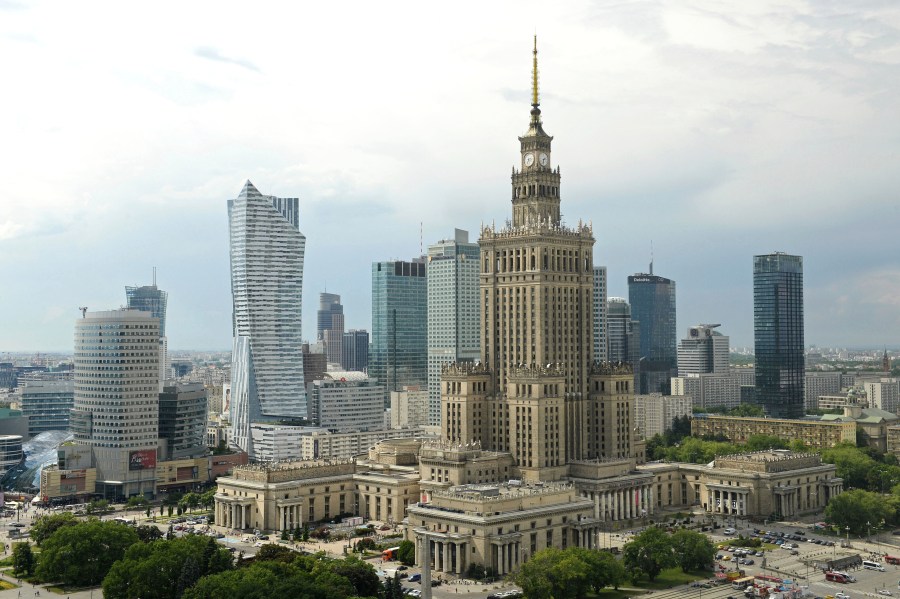
In a remarkable economic turnaround, Poland has transformed from a nation grappling with shortages and low wages to becoming the world’s 20th largest economy. With an annual output exceeding $1 trillion, Poland has surpassed Switzerland and solidified its position as a significant player in the global market.
From Scarcity to Prosperity
A generation ago, during the late 1980s, Poland was still feeling the repercussions of decades of Communist rule. Citizens faced daily challenges, including rationing of essential goods such as sugar and flour. At that time, the average Pole earned only one-tenth of what their counterparts in West Germany made. The economic landscape was bleak, with limited opportunities for growth or prosperity.
Following the fall of Communism in 1989, Poland embarked on a journey toward economic reform. The transition involved comprehensive changes aimed at establishing a market-oriented economy. The introduction of policies promoting privatization and foreign investment played a crucial role in revitalizing the nation’s economic framework.
According to the World Bank, Poland’s GDP has grown consistently over the past three decades, driven by a robust manufacturing sector and a burgeoning services industry. The country’s strategic location in Central Europe has also made it an attractive destination for multinational companies looking to expand into new markets.
A Thriving Economy in Numbers
Today, Poland boasts a diversified economy with strengths in various sectors, including technology, automotive, and agriculture. The nation’s gross domestic product (GDP) has seen unprecedented growth, marking a significant milestone with its recent climb past Switzerland.
As of 2023, Poland’s economy is valued at over $1 trillion, underscoring its successful transition from post-Communist challenges to a thriving democratic market economy. The country has also become a vital member of the European Union, benefiting from access to broader markets and financial support for development initiatives.
The shift in Poland’s economic status has not only brought financial benefits but has also improved the quality of life for many citizens. Unemployment rates have dropped significantly, and wage levels have risen, providing a more stable and prosperous future for the population.
As Poland continues to grow, it faces new challenges, including an aging workforce and the need for sustainable development. However, the resilience and adaptability demonstrated throughout its transformation suggest that Poland is well-equipped to navigate these hurdles.
In conclusion, Poland’s journey from a struggling economy to a significant global player is a testament to the power of reform and determination. The nation has successfully leveraged its historical context to build a prosperous future, inspiring other countries striving for similar success.

Robinhood Stock Surges 2.5% Today Amid Tech Market Recovery

Philadelphia’s Earth Month Kicks Off with Free Events in Parks

GSK’s Inhaler Decision Sparks Health Concerns for Children

Bradford’s Fish Fry Fridays Offer Community Spirit and Flavor

Speculation Rises on Shutdowns During Trump’s Potential Presidency

Samsung Galaxy Watch 9 to Feature Larger Battery, Report Reveals

Inventors Find New Purpose Through Unconventional Paths

UConn Huskies Aim for Back-to-Back Titles in 2026 NCAA Tournament

U.S. Mine Countermeasure Ships Dock in Malaysia for Logistics Stop

University of Hawaiʻi at Mānoa Joins $25.6M AI Initiative for Disaster Monitoring

$2.2 Million Boost for Cancer Research and Training in Hawaiʻi

ALMA Discovers Companion Orbiting Red Giant Star π 1 Gruis

Sacituzumab Govitecan Shows Promise for HR+/HER2− Breast Cancer

币安人生 Sees $15.92 Million in Trading Volume Amid Market Fluctuations

New Gel Offers Hope for Regrowing Tooth Enamel in Dentistry

CAVA Group Shares Surge 5.1% Amid Mixed Analyst Ratings

Christian Bale in Talks to Join Leonardo DiCaprio in Heat 2

Supreme Court to Review Birthright Citizenship for Children of Immigrants
-
Science9 months ago
University of Hawaiʻi at Mānoa Joins $25.6M AI Initiative for Disaster Monitoring
-
 Health7 months ago
$2.2 Million Boost for Cancer Research and Training in Hawaiʻi
-
 Science9 months ago
ALMA Discovers Companion Orbiting Red Giant Star π 1 Gruis
-
 Health7 months ago
Sacituzumab Govitecan Shows Promise for HR+/HER2− Breast Cancer
-
Politics5 months ago
币安人生 Sees $15.92 Million in Trading Volume Amid Market Fluctuations
-
 Health9 months ago
New Gel Offers Hope for Regrowing Tooth Enamel in Dentistry
-
 Business8 months ago
CAVA Group Shares Surge 5.1% Amid Mixed Analyst Ratings
-
 Entertainment8 months ago
Christian Bale in Talks to Join Leonardo DiCaprio in Heat 2
-
 Politics8 months ago
Supreme Court to Review Birthright Citizenship for Children of Immigrants
-

 Lifestyle8 months ago
Art Deco and Traditional Designs Set to Transform Homes in 2026
-

 Lifestyle8 months ago
Fernando Mendoza Secures Maxwell and O’Brien Awards Ahead of Heisman
-

 World8 months ago
Swiss Residents Reject 50% Inheritance Tax on Wealthy