
World
Trump’s Drug Policy Faces Criticism Amid Controversial Pardons

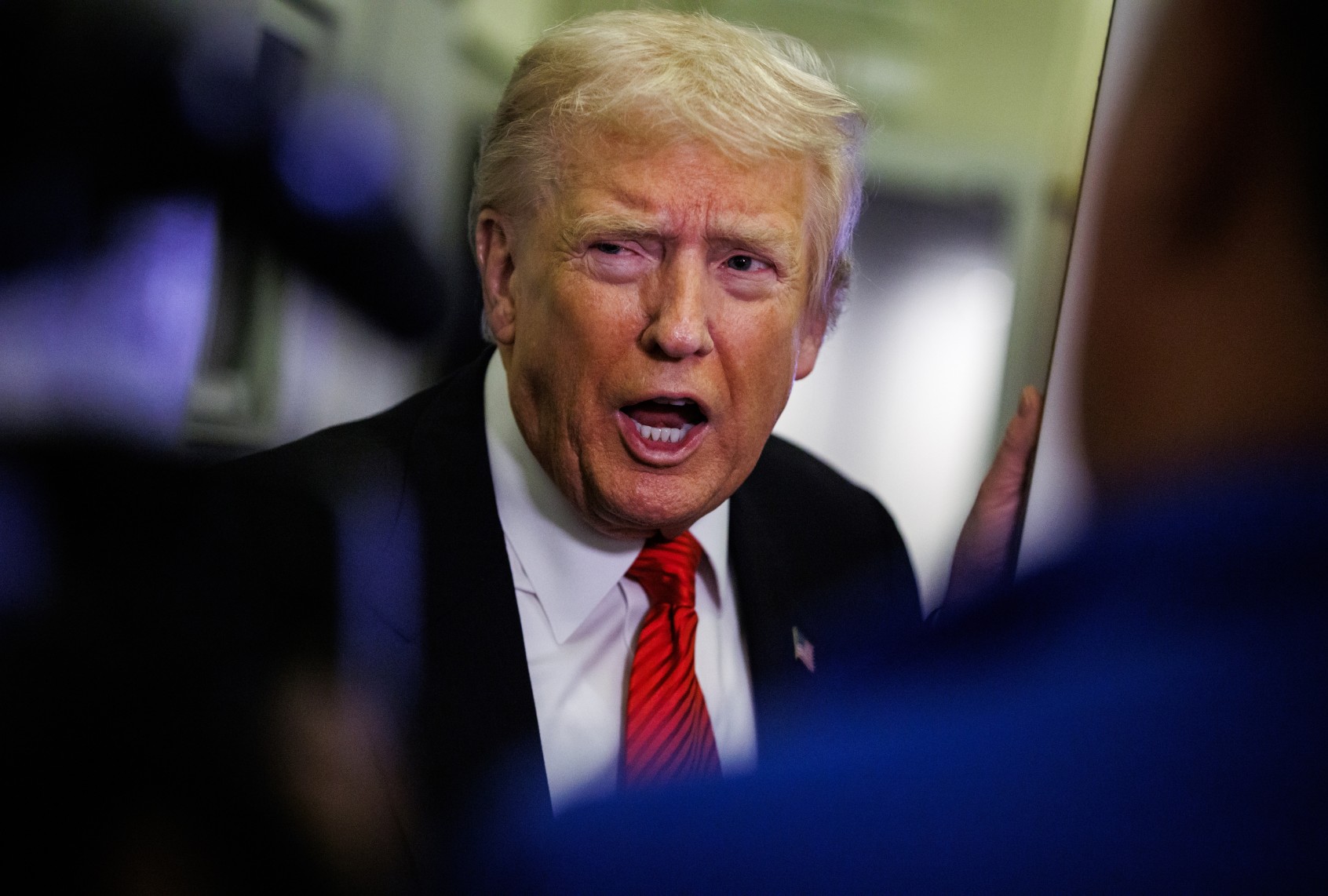
President Donald Trump has sparked controversy with his recent drug policy initiatives, particularly concerning the ongoing military operations against alleged drug traffickers and the surprising announcement of a pardon for former Honduran President Juan Orlando Hernández. The developments have drawn significant attention, raising questions about the consistency of Trump’s approach in the war on drugs.
Over the Thanksgiving weekend, Trump issued a stark warning on his platform, Truth Social, stating, “To all Airlines, Pilots, Drug Dealers, and Human Traffickers, please consider THE AIRSPACE ABOVE AND SURROUNDING VENEZUELA TO BE CLOSED IN ITS ENTIRETY.” This declaration led many to speculate about an imminent military action against Venezuela, a notion Trump later downplayed, advising the media not to “read anything into it.” However, a phone call with Venezuelan President Nicolás Maduro reportedly revealed Trump advising Maduro to leave the country within a week.
While the situation in Venezuela escalates, the U.S. administration has intensified military operations against alleged drug boats in the Caribbean. Critics have highlighted a new scandal involving Pete Hegseth, the Defense Secretary, who is accused of potentially ordering the execution of unarmed survivors following a military attack on September 2. Trump defended Hegseth, stating he never issued such orders, but acknowledged that should evidence surface, Hegseth’s departure from the Pentagon would be likely.
The backdrop to these military actions is Trump’s portrayal of Venezuelan officials as “narco-terrorists” undermining U.S. security. In 2020, the Justice Department charged Maduro and 14 others with serious offenses including narcotics trafficking, alleging an intent to flood the United States with cocaine. Critics point out that the indictment primarily focused on money laundering, while cocaine trafficking from Venezuela is largely directed towards Europe, not the U.S.
Amid these aggressive policies, Trump made headlines by announcing his intention to pardon Hernández, who is currently serving a 45-year prison sentence in the United States for trafficking over 500 tons of cocaine. This unexpected decision came during a social media post where Trump claimed that Hernández was treated unfairly, suggesting his case was politically motivated.
Hernández’s tenure included allegations of direct involvement in drug trafficking, including claims of accepting substantial bribes to facilitate drug shipments. His case has drawn scrutiny due to the extensive evidence presented during his prosecution, which included testimony and physical evidence linking him to organized crime.
Lobbyists advocating for Hernández have reportedly intensified their efforts to sway Trump, with connections to influential figures in the tech industry and discussions surrounding investment opportunities like the Próspera charter city initiative in Honduras. This initiative, viewed by some as a libertarian experiment, has faced opposition from the current Honduran government.
In a related context, Trump also signaled support for Ross Ulbricht, the founder of the Silk Road, a notorious online drug marketplace. During his 2024 campaign, Trump expressed intentions to pardon Ulbricht, who was convicted of facilitating illegal drug sales, including fentanyl. This pattern of pardoning individuals with drug trafficking histories while simultaneously advocating for harsh penalties against drug dealers raises significant contradictions in Trump’s policy.
As the U.S. grapples with a drug crisis that claimed the lives of over 100,000 Americans last year, the portrayal of drug-related crimes as a national security threat has intensified. Republican Senator Dave McCormick likened the current situation to the Vietnam War, highlighting the stark reality of the opioid crisis. His colleague, Senator Markwayne Mullin, echoed similar sentiments, claiming that Venezuela is responsible for the deaths of countless Americans through its drug trade.
The mixed signals from Trump’s administration regarding drug policy and pardons reflect a complex landscape where political motivations intertwine with serious public health issues. As the situation unfolds, the implications of these decisions will likely continue to resonate throughout the political and social fabric of the United States.

Robinhood Stock Surges 2.5% Today Amid Tech Market Recovery

Philadelphia’s Earth Month Kicks Off with Free Events in Parks

GSK’s Inhaler Decision Sparks Health Concerns for Children

Bradford’s Fish Fry Fridays Offer Community Spirit and Flavor

Speculation Rises on Shutdowns During Trump’s Potential Presidency

Samsung Galaxy Watch 9 to Feature Larger Battery, Report Reveals

Inventors Find New Purpose Through Unconventional Paths

UConn Huskies Aim for Back-to-Back Titles in 2026 NCAA Tournament

U.S. Mine Countermeasure Ships Dock in Malaysia for Logistics Stop

University of Hawaiʻi at Mānoa Joins $25.6M AI Initiative for Disaster Monitoring

$2.2 Million Boost for Cancer Research and Training in Hawaiʻi

ALMA Discovers Companion Orbiting Red Giant Star π 1 Gruis

Sacituzumab Govitecan Shows Promise for HR+/HER2− Breast Cancer

币安人生 Sees $15.92 Million in Trading Volume Amid Market Fluctuations

New Gel Offers Hope for Regrowing Tooth Enamel in Dentistry

CAVA Group Shares Surge 5.1% Amid Mixed Analyst Ratings

Christian Bale in Talks to Join Leonardo DiCaprio in Heat 2

Supreme Court to Review Birthright Citizenship for Children of Immigrants
-
Science8 months ago
University of Hawaiʻi at Mānoa Joins $25.6M AI Initiative for Disaster Monitoring
-
 Health7 months ago
$2.2 Million Boost for Cancer Research and Training in Hawaiʻi
-
 Science8 months ago
ALMA Discovers Companion Orbiting Red Giant Star π 1 Gruis
-
 Health7 months ago
Sacituzumab Govitecan Shows Promise for HR+/HER2− Breast Cancer
-
Politics4 months ago
币安人生 Sees $15.92 Million in Trading Volume Amid Market Fluctuations
-
 Health8 months ago
New Gel Offers Hope for Regrowing Tooth Enamel in Dentistry
-
 Business7 months ago
CAVA Group Shares Surge 5.1% Amid Mixed Analyst Ratings
-
 Entertainment8 months ago
Christian Bale in Talks to Join Leonardo DiCaprio in Heat 2
-
 Politics7 months ago
Supreme Court to Review Birthright Citizenship for Children of Immigrants
-

 Lifestyle7 months ago
Fernando Mendoza Secures Maxwell and O’Brien Awards Ahead of Heisman
-

 Lifestyle8 months ago
Art Deco and Traditional Designs Set to Transform Homes in 2026
-

 World7 months ago
Swiss Residents Reject 50% Inheritance Tax on Wealthy