
Health
CDC Updates Hepatitis B Vaccine Recommendations for Infants

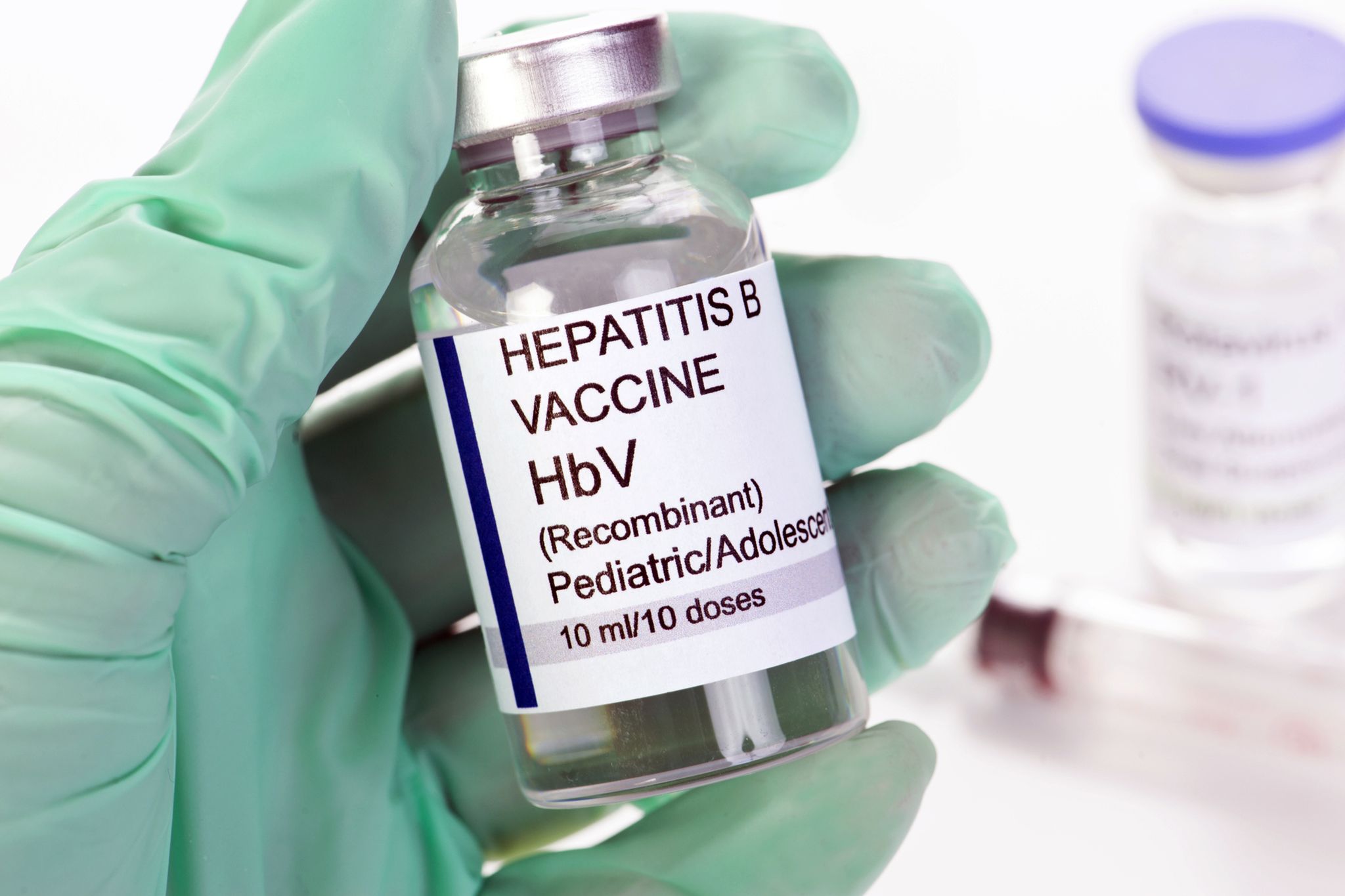
The Centers for Disease Control and Prevention’s (CDC) Advisory Committee on Immunization Practices (ACIP) has revised its recommendations regarding the administration of the hepatitis B vaccine for infants. Effective immediately, these guidelines allow healthcare providers to delay the initial dose from birth to two months, contingent on discussions between parents and physicians. The new approach emphasizes shared decision-making, with subsequent doses also subject to consultation between caregivers and healthcare professionals.
This policy shift marks a significant departure from long-standing practices that have seen newborns universally vaccinated at birth since 1991. Under the revised guidelines, infants whose mothers test positive for hepatitis B will continue to receive the vaccine at birth, a crucial measure given that maternal transmission is the most common route of infection for infants.
Many healthcare providers, including the Austin Regional Clinic, have indicated their commitment to the previous recommendations of the American Academy of Pediatrics (AAP). In a statement, the clinic expressed alignment with the AAP’s ongoing guideline for routine hepatitis B vaccination for all newborns.
Dr. Lara Shekerdemian, pediatrician in chief at Texas Children’s Hospital, highlighted the importance of vaccination. “Decades of scientific research and ongoing safety monitoring continue to show that vaccines are safe, effective, and provide strong protection for children and communities,” she stated. Dr. Shekerdemian urged parents to consult with their clinicians to make informed decisions regarding their children’s health.
The AAP maintains its position that all infants should receive the hepatitis B vaccine within 24 hours of birth, followed by additional doses at two months and six months. The organization has emphasized that the timing of these vaccinations has been rigorously tested and proven to be safe and effective over several decades.
Insurance providers are expected to continue covering claims for vaccinations that align with the AAP’s guidelines. This follows a precedent set during previous changes to vaccine schedules by the CDC, which has seen adjustments made under the current administration.
Vaccinating newborns against hepatitis B at birth is critical in preventing transmission during delivery and building immunity that extends into adulthood. The dangers of hepatitis B include severe liver disease and liver cancer in adults. For infants and children, potential symptoms can include jaundice, difficulty gaining weight, and chronic liver disease.
The AAP has raised concerns about the potential risks associated with delaying the vaccine. In its statement, the organization stressed that “delaying the birth dose of the hepatitis B vaccine has no clear benefits and leaves children vulnerable to infection.” Historical data supports this assertion; between 1981 and 1991, when the vaccine was only administered to infants with infected mothers, cases of hepatitis B remained prevalent. Once the vaccine became universally available to all newborns, there was a remarkable 99% reduction in infant hepatitis B infections, according to a recent joint report from the Vaccine Integrity Project and the Center for Infectious Disease and Public Policy at the University of Minnesota.
The hepatitis B vaccine, like all vaccines, may cause mild side effects, including tenderness or redness at the injection site, low-grade fever, and fussiness. However, these risks are minor compared to the potential health threats posed by hepatitis B.
As the healthcare community adapts to these changes, it remains to be seen how many local providers will implement the new guidelines in practice. The emphasis on parental involvement in vaccination decisions could lead to varied approaches across different clinics and hospitals.

Robinhood Stock Surges 2.5% Today Amid Tech Market Recovery

Philadelphia’s Earth Month Kicks Off with Free Events in Parks

GSK’s Inhaler Decision Sparks Health Concerns for Children

Bradford’s Fish Fry Fridays Offer Community Spirit and Flavor

Speculation Rises on Shutdowns During Trump’s Potential Presidency

Samsung Galaxy Watch 9 to Feature Larger Battery, Report Reveals

Inventors Find New Purpose Through Unconventional Paths

UConn Huskies Aim for Back-to-Back Titles in 2026 NCAA Tournament

U.S. Mine Countermeasure Ships Dock in Malaysia for Logistics Stop

University of Hawaiʻi at Mānoa Joins $25.6M AI Initiative for Disaster Monitoring

$2.2 Million Boost for Cancer Research and Training in Hawaiʻi

ALMA Discovers Companion Orbiting Red Giant Star π 1 Gruis

Sacituzumab Govitecan Shows Promise for HR+/HER2− Breast Cancer

币安人生 Sees $15.92 Million in Trading Volume Amid Market Fluctuations

New Gel Offers Hope for Regrowing Tooth Enamel in Dentistry

CAVA Group Shares Surge 5.1% Amid Mixed Analyst Ratings

Christian Bale in Talks to Join Leonardo DiCaprio in Heat 2

Supreme Court to Review Birthright Citizenship for Children of Immigrants
-
Science9 months ago
University of Hawaiʻi at Mānoa Joins $25.6M AI Initiative for Disaster Monitoring
-
 Health8 months ago
$2.2 Million Boost for Cancer Research and Training in Hawaiʻi
-
 Science9 months ago
ALMA Discovers Companion Orbiting Red Giant Star π 1 Gruis
-
 Health7 months ago
Sacituzumab Govitecan Shows Promise for HR+/HER2− Breast Cancer
-
Politics5 months ago
币安人生 Sees $15.92 Million in Trading Volume Amid Market Fluctuations
-
 Health9 months ago
New Gel Offers Hope for Regrowing Tooth Enamel in Dentistry
-
 Business8 months ago
CAVA Group Shares Surge 5.1% Amid Mixed Analyst Ratings
-
 Entertainment9 months ago
Christian Bale in Talks to Join Leonardo DiCaprio in Heat 2
-
 Politics8 months ago
Supreme Court to Review Birthright Citizenship for Children of Immigrants
-

 Lifestyle9 months ago
Art Deco and Traditional Designs Set to Transform Homes in 2026
-

 Lifestyle8 months ago
Fernando Mendoza Secures Maxwell and O’Brien Awards Ahead of Heisman
-

 World8 months ago
Swiss Residents Reject 50% Inheritance Tax on Wealthy