
Politics
U.S. Lawmakers Question Navy Admiral on Controversial Boat Strikes

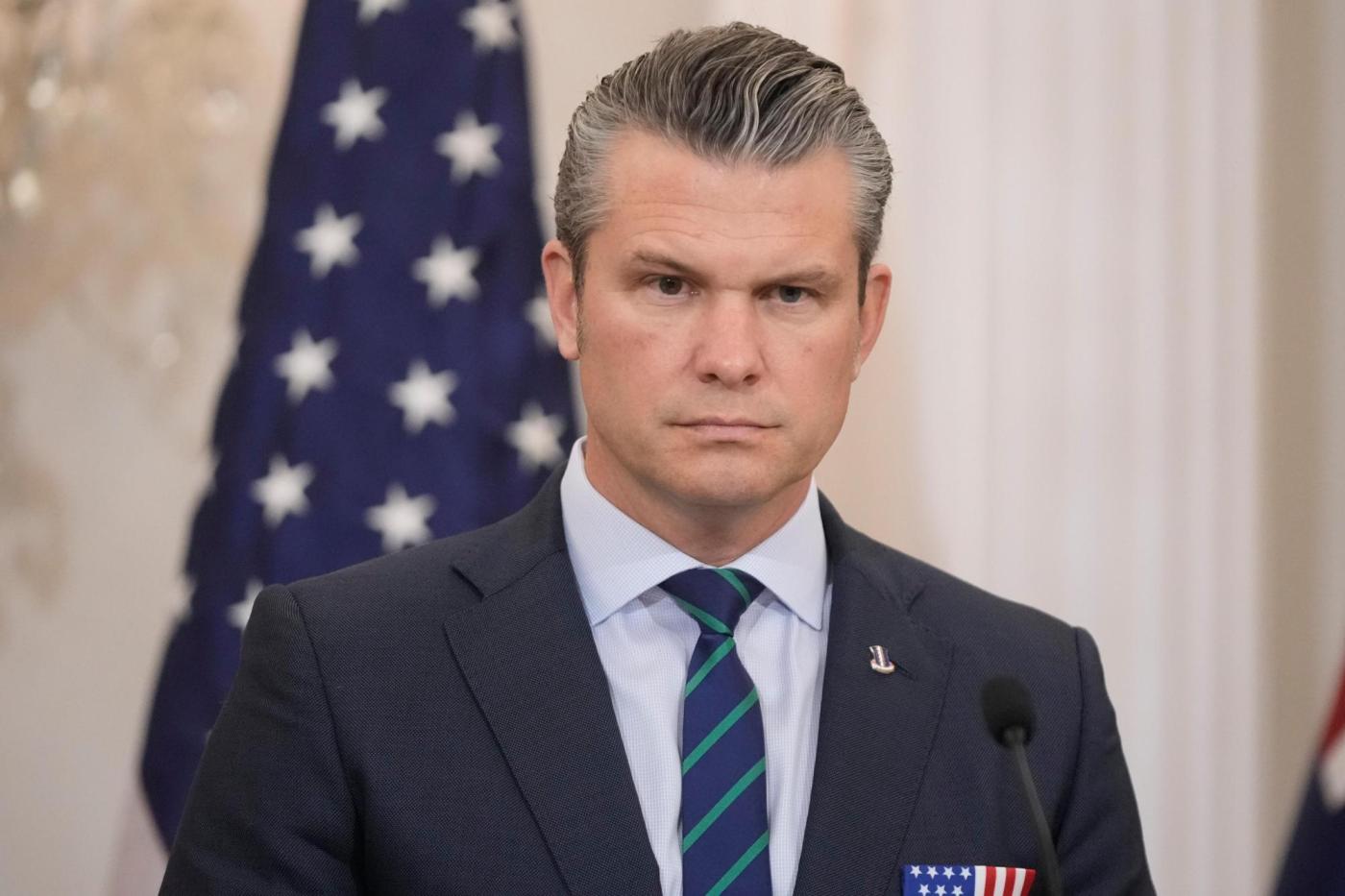
The U.S. Navy admiral overseeing controversial strikes against vessels allegedly transporting drugs near Venezuela spoke to key lawmakers on Tuesday, as Congress seeks clarity on the military operations ordered by President Donald Trump. Admiral Alvin Holsey, who is set to retire from his role as commander of U.S. Southern Command, addressed members of the Senate Armed Services Committee during a classified video call, following an incident where two survivors of a strike were reportedly killed.
The discussion comes amid increasing scrutiny regarding the use of military force in the drug interdiction campaign, particularly after the September 2 strike that resulted in civilian casualties. Senator Roger Wicker, the committee’s Republican chair, acknowledged Holsey’s service but refrained from discussing the specifics of the session. Lawmakers are pressing the Department of Defense for the release of unedited video footage of the strikes as well as the orders that authorized these attacks, which may be included in the upcoming defense authorization bill.
Lawmakers are particularly concerned about the implications of the September incident, which legal experts suggest could have violated regulations governing the use of deadly force. Senator Chris Coons, a Democrat from Delaware, criticized the military’s approach, stating, “They are using expensive, exquisite American military capabilities to kill people who are the equivalent of corner dealers and not making progress interdicting the trafficking by the cartels.”
The inquiry into Admiral Holsey’s operations may reveal further details about the objectives and parameters of Trump’s military campaign, which has reportedly targeted 22 vessels and led to the deaths of at least 87 individuals since its inception. The campaign is characterized by a shift in strategy, with the Trump administration asserting that drug traffickers pose a direct threat to U.S. national security, drawing parallels to the global war on terror.
In addition to Holsey’s briefing, Congressional leaders are scheduled to receive a broader briefing on foreign policy and national security from Secretary of State Marco Rubio and Defense Secretary Pete Hegseth. Lawmakers are particularly focused on the intelligence used to justify the strikes, questioning whether the military accurately assessed the vessels’ cargo and intended destinations.
Concerns were raised regarding the intelligence surrounding the September 2 strike, wherein it was revealed that the targeted vessel was heading south at the time of the attack and was allegedly en route to meet another boat bound for Suriname.
The Republican-controlled Congress’s response remains uncertain. Senator Thom Tillis of North Carolina, who has previously called for accountability following the civilian casualties, emphasized the need for comprehensive data to form informed conclusions on the military’s actions.
President Trump defended the strikes, claiming that the deceased individuals were attempting to right their capsized boat during the operation. In contrast, Adm. Frank “Mitch” Bradley, the special operations commander who authorized the second strike, informed lawmakers that the decision was made to prevent cartel members from retrieving the cocaine aboard the vessel.
This ongoing situation highlights the complexities and consequences of military engagement in drug interdiction efforts, raising significant questions about policy, accountability, and the protection of civilian lives. As Congress continues to seek answers, the implications of these operations will likely resonate throughout the political landscape.

Robinhood Stock Surges 2.5% Today Amid Tech Market Recovery

Philadelphia’s Earth Month Kicks Off with Free Events in Parks

GSK’s Inhaler Decision Sparks Health Concerns for Children

Bradford’s Fish Fry Fridays Offer Community Spirit and Flavor

Speculation Rises on Shutdowns During Trump’s Potential Presidency

Samsung Galaxy Watch 9 to Feature Larger Battery, Report Reveals

Inventors Find New Purpose Through Unconventional Paths

UConn Huskies Aim for Back-to-Back Titles in 2026 NCAA Tournament

U.S. Mine Countermeasure Ships Dock in Malaysia for Logistics Stop

University of Hawaiʻi at Mānoa Joins $25.6M AI Initiative for Disaster Monitoring

$2.2 Million Boost for Cancer Research and Training in Hawaiʻi

ALMA Discovers Companion Orbiting Red Giant Star π 1 Gruis

Sacituzumab Govitecan Shows Promise for HR+/HER2− Breast Cancer

币安人生 Sees $15.92 Million in Trading Volume Amid Market Fluctuations

New Gel Offers Hope for Regrowing Tooth Enamel in Dentistry

CAVA Group Shares Surge 5.1% Amid Mixed Analyst Ratings

Christian Bale in Talks to Join Leonardo DiCaprio in Heat 2

Supreme Court to Review Birthright Citizenship for Children of Immigrants
-
Science9 months ago
University of Hawaiʻi at Mānoa Joins $25.6M AI Initiative for Disaster Monitoring
-
 Health8 months ago
$2.2 Million Boost for Cancer Research and Training in Hawaiʻi
-
 Science9 months ago
ALMA Discovers Companion Orbiting Red Giant Star π 1 Gruis
-
 Health7 months ago
Sacituzumab Govitecan Shows Promise for HR+/HER2− Breast Cancer
-
Politics5 months ago
币安人生 Sees $15.92 Million in Trading Volume Amid Market Fluctuations
-
 Health9 months ago
New Gel Offers Hope for Regrowing Tooth Enamel in Dentistry
-
 Business8 months ago
CAVA Group Shares Surge 5.1% Amid Mixed Analyst Ratings
-
 Entertainment9 months ago
Christian Bale in Talks to Join Leonardo DiCaprio in Heat 2
-
 Politics8 months ago
Supreme Court to Review Birthright Citizenship for Children of Immigrants
-

 Lifestyle9 months ago
Art Deco and Traditional Designs Set to Transform Homes in 2026
-

 Lifestyle8 months ago
Fernando Mendoza Secures Maxwell and O’Brien Awards Ahead of Heisman
-

 World8 months ago
Swiss Residents Reject 50% Inheritance Tax on Wealthy