
Health
UK and US Strike Controversial Medicines Deal Amid Criticism

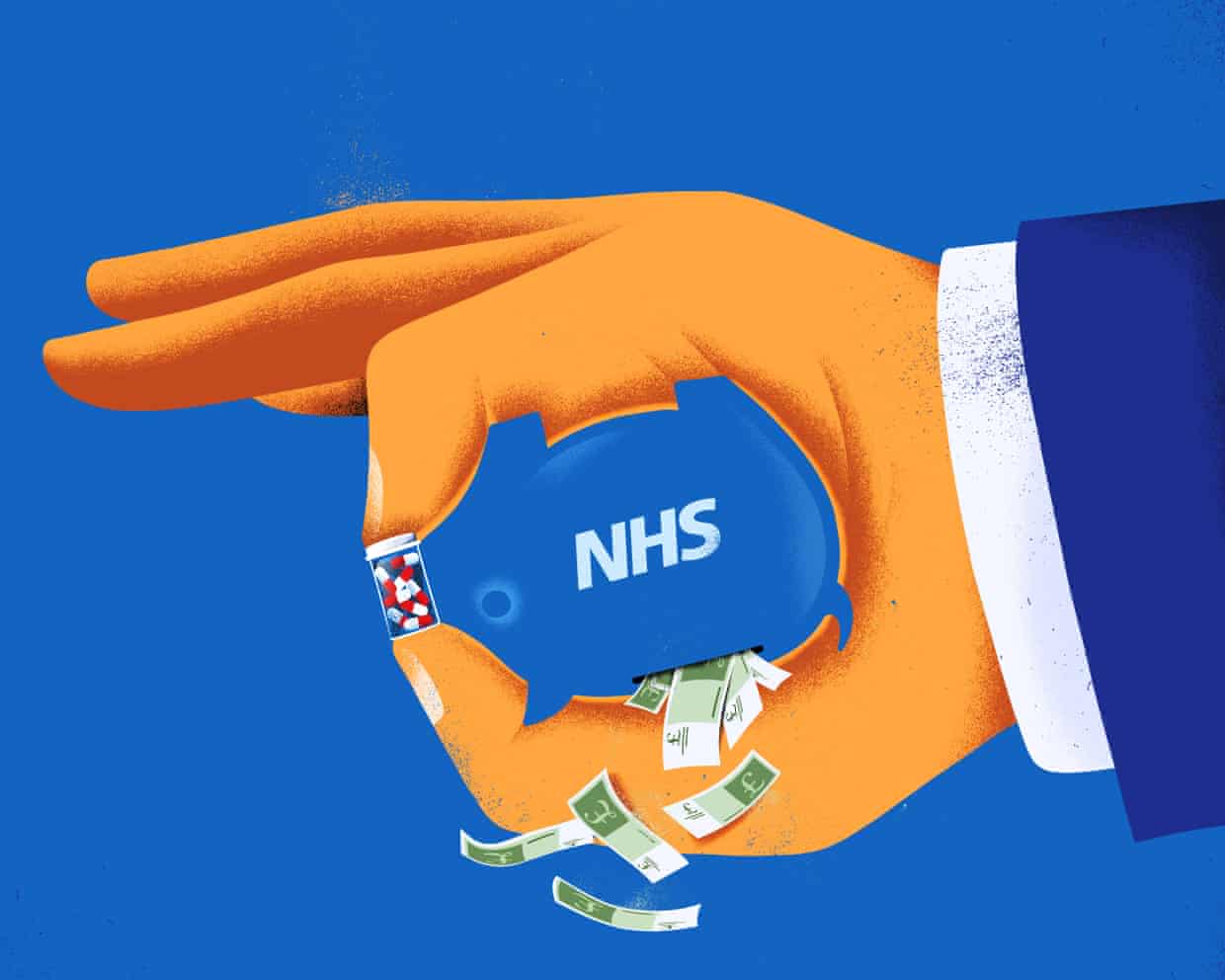
The recent agreement between the UK government led by Keir Starmer and former US President Donald Trump regarding pharmaceuticals has sparked significant debate. While government officials tout it as a transformative arrangement, critics argue it may lead to increased costs and reduced healthcare quality for NHS patients.
Patrick Vallance, the UK’s science minister, described the deal as a “world-beating agreement,” claiming it positions the UK as a premier hub for life sciences. Meanwhile, Peter Kyle, the business secretary, stated that “tens of thousands of NHS patients will benefit.” This optimistic portrayal has been met with skepticism from various quarters, particularly from health economists and independent experts who warn that the agreement may ultimately be detrimental.
A report from the Office for Budget Responsibility (OBR) estimated that the cost of medicines for the NHS could rise by an additional £3 billion annually as a consequence of this deal. This figure does not reflect any improvement in services, but rather indicates higher expenses for existing treatments. Health Secretary Wes Streeting has downplayed these estimates, yet the absence of detailed explanations from his office raises concerns about transparency.
Healthcare experts, including Karl Claxton from the University of York, have expressed alarm over the potential human cost of this agreement. Claxton’s analysis suggests that the financial implications could lead to approximately 15,971 additional deaths annually due to reduced healthcare funding, particularly affecting essential services like cancer scans and emergency care. If the government’s lower estimate holds true, even then, the projection remains alarmingly high at 6,192 extra deaths per year.
The deal has drawn attention not only for its economic implications but also for the manner in which it was negotiated. Critics note that the agreement was reached without adequate public scrutiny, documentation, or parliamentary approval. The lack of comprehensive coverage in major UK newspapers, focusing instead on other healthcare issues, has further fueled concerns about public awareness of the deal’s ramifications.
The implications of this agreement extend beyond financial costs. The NHS has historically maintained strict regulations on drug pricing to ensure affordability and value for taxpayers. This framework contrasts sharply with the US healthcare system, where prices are significantly higher. As pharmaceutical companies face pressure to invest more in the US market, the UK could find itself squeezed between higher costs and reduced investment in local healthcare infrastructure.
Recent developments have illustrated the growing tension between UK pharmaceutical interests and US expectations. In September, major pharmaceutical companies, including Merck and AstraZeneca, re-evaluated their investment strategies in the UK, with Merck even halting construction on a research centre in London. These decisions reflect a broader concern that the UK’s pricing policies may deter investment and innovation in the pharmaceutical sector.
The UK government’s narrative positions this deal as a strategic victory, yet many experts argue it represents a capitulation to US demands that could compromise the integrity of the NHS. Sally Gainsbury of the Nuffield Trust has described the situation as a “Ponzi scheme” where the NHS’s future is being sacrificed for short-term trade benefits.
As the political landscape continues to evolve, the long-term impacts of this agreement remain uncertain. Stakeholders within the healthcare sector and the general public are left grappling with the implications of a deal that prioritizes corporate profits over patient care. The true costs—both financial and human—will likely unfold in the coming years, raising critical questions about the future of healthcare in the UK.
In conclusion, the recent medicines deal between the UK and the US is a complex negotiation with significant financial and ethical implications. While the government projects optimism, the underlying realities suggest a challenging road ahead for the NHS and its patients.

Robinhood Stock Surges 2.5% Today Amid Tech Market Recovery

Philadelphia’s Earth Month Kicks Off with Free Events in Parks

GSK’s Inhaler Decision Sparks Health Concerns for Children

Bradford’s Fish Fry Fridays Offer Community Spirit and Flavor

Speculation Rises on Shutdowns During Trump’s Potential Presidency

Samsung Galaxy Watch 9 to Feature Larger Battery, Report Reveals

Inventors Find New Purpose Through Unconventional Paths

UConn Huskies Aim for Back-to-Back Titles in 2026 NCAA Tournament

U.S. Mine Countermeasure Ships Dock in Malaysia for Logistics Stop

University of Hawaiʻi at Mānoa Joins $25.6M AI Initiative for Disaster Monitoring

$2.2 Million Boost for Cancer Research and Training in Hawaiʻi

ALMA Discovers Companion Orbiting Red Giant Star π 1 Gruis

Sacituzumab Govitecan Shows Promise for HR+/HER2− Breast Cancer

币安人生 Sees $15.92 Million in Trading Volume Amid Market Fluctuations

New Gel Offers Hope for Regrowing Tooth Enamel in Dentistry

CAVA Group Shares Surge 5.1% Amid Mixed Analyst Ratings

Christian Bale in Talks to Join Leonardo DiCaprio in Heat 2

Supreme Court to Review Birthright Citizenship for Children of Immigrants
-
Science9 months ago
University of Hawaiʻi at Mānoa Joins $25.6M AI Initiative for Disaster Monitoring
-
 Health8 months ago
$2.2 Million Boost for Cancer Research and Training in Hawaiʻi
-
 Science9 months ago
ALMA Discovers Companion Orbiting Red Giant Star π 1 Gruis
-
 Health7 months ago
Sacituzumab Govitecan Shows Promise for HR+/HER2− Breast Cancer
-
Politics5 months ago
币安人生 Sees $15.92 Million in Trading Volume Amid Market Fluctuations
-
 Health9 months ago
New Gel Offers Hope for Regrowing Tooth Enamel in Dentistry
-
 Business8 months ago
CAVA Group Shares Surge 5.1% Amid Mixed Analyst Ratings
-
 Entertainment9 months ago
Christian Bale in Talks to Join Leonardo DiCaprio in Heat 2
-
 Politics8 months ago
Supreme Court to Review Birthright Citizenship for Children of Immigrants
-

 Lifestyle9 months ago
Art Deco and Traditional Designs Set to Transform Homes in 2026
-

 Lifestyle8 months ago
Fernando Mendoza Secures Maxwell and O’Brien Awards Ahead of Heisman
-

 World8 months ago
Swiss Residents Reject 50% Inheritance Tax on Wealthy